Which Camera Works With Surveillance?
When it comes to surveillance, choosing the right camera is critical to ensuring the security and monitoring of your property, whether it’s a home, office, or public space. With the wide variety of cameras available on the market, it can be overwhelming to determine which one is best suited for your specific needs. This article will guide you through the key factors to consider when selecting a surveillance camera, the types of cameras available, and practical tips for making the right choice.
Key Factors to Consider When Choosing a Surveillance Camera
Before diving into the types of cameras, it’s important to understand the factors that influence your decision. These considerations will help you narrow down your options and ensure that the camera you choose meets your requirements.
1. Purpose of Surveillance
Determine the primary reason for installing a surveillance camera. Are you looking to monitor your home for security purposes, keep an eye on employees in a workplace, or oversee a public area? The purpose will dictate the type of camera and features you need.
2. Indoor vs. Outdoor Use
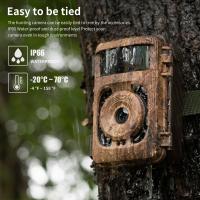
Cameras designed for outdoor use are built to withstand harsh weather conditions, such as rain, snow, and extreme temperatures. Indoor cameras, on the other hand, are not weatherproof and are better suited for controlled environments.
3. Resolution and Image Quality
High-resolution cameras provide clearer and more detailed images, which can be crucial for identifying faces, license plates, or other important details. Look for cameras with at least 1080p resolution, though 4K cameras are becoming increasingly popular for their superior image quality.
4. Field of View
The field of view determines how much area the camera can cover. Wide-angle lenses are ideal for monitoring large spaces, while narrow lenses are better for focusing on specific areas.
5. Night Vision and Low-Light Performance
Many surveillance cameras come with infrared (IR) LEDs for night vision, allowing them to capture clear footage in complete darkness. If you need to monitor areas with low lighting, ensure the camera has good low-light performance.
6. Connectivity and Power Source
Decide whether you want a wired or wireless camera. Wired cameras are more reliable and don’t require battery changes, but they can be harder to install. Wireless cameras are easier to set up and offer more flexibility in placement, but they may require regular battery maintenance.
7. Storage Options
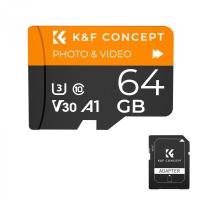
Surveillance cameras typically store footage either locally (on an SD card or hard drive) or in the cloud. Cloud storage offers remote access and backup but may require a subscription fee. Local storage is more cost-effective but can be vulnerable to theft or damage.
8. Integration with Other Systems
If you already have a smart home or security system, ensure the camera you choose is compatible with it. Many modern cameras can integrate with platforms like Amazon Alexa, Google Assistant, or Apple HomeKit.
9. Budget
Surveillance cameras come in a wide price range, from budget-friendly options to high-end models with advanced features. Determine your budget beforehand to avoid overspending.
Types of Surveillance Cameras
Now that you know what to look for, let’s explore the different types of surveillance cameras and their use cases.
1. Dome Cameras
Dome cameras are named for their dome-shaped design, which makes them less obtrusive and harder to tamper with. They are commonly used in retail stores, offices, and other indoor spaces. Dome cameras often have a wide field of view and are available in vandal-resistant models for added durability.
2. Bullet Cameras
Bullet cameras are cylindrical and are typically mounted on walls or ceilings. They are ideal for outdoor use due to their long-range capabilities and weatherproof design. Bullet cameras are often used to monitor driveways, parking lots, and building perimeters.
3. PTZ Cameras (Pan-Tilt-Zoom)
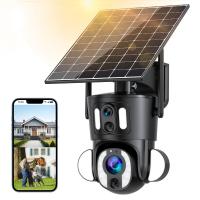
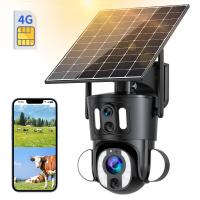
PTZ cameras offer the ability to pan, tilt, and zoom, allowing you to cover a large area and focus on specific details when needed. These cameras are often used in large spaces like warehouses, stadiums, and public areas.
4. IP Cameras (Internet Protocol)
IP cameras transmit video over the internet, making them accessible from anywhere with an internet connection. They are available in both wired and wireless models and often come with advanced features like motion detection, two-way audio, and cloud storage.
5. Analog Cameras
Analog cameras are a more traditional option and are typically connected to a DVR (Digital Video Recorder) for storage. While they are less expensive than IP cameras, they offer lower resolution and fewer features.
6. Hidden Cameras
Hidden cameras are designed to be discreet and blend into their surroundings. They are often used for covert surveillance in homes or offices. However, it’s important to check local laws regarding the use of hidden cameras.
7. Thermal Cameras
Thermal cameras detect heat signatures and are often used in specialized applications, such as perimeter security, wildlife monitoring, or detecting intruders in complete darkness. They are more expensive but offer unique capabilities.
8. Doorbell Cameras
Doorbell cameras are a popular choice for home security. They allow you to see and communicate with visitors at your door, even when you’re not home. Many models also include motion detection and cloud storage.
Practical Tips for Choosing the Right Camera
1. Assess Your Needs
Start by identifying the areas you want to monitor and the level of detail you need. For example, a high-resolution camera may be necessary for identifying faces, while a wide-angle camera is better for covering large spaces.
2. Consider Scalability
If you plan to expand your surveillance system in the future, choose a camera that can integrate with additional devices or systems.
3. Test Before You Buy
If possible, test the camera in the environment where it will be installed. This will help you evaluate its performance in terms of image quality, field of view, and night vision.
4. Read Reviews and Compare Models
Research online reviews and compare different models to find the best camera for your needs. Pay attention to user feedback on reliability, ease of use, and customer support.
5. Check for Warranties and Support
Choose a camera from a reputable manufacturer that offers a warranty and reliable customer support. This will give you peace of mind in case of any issues.
6. Ensure Legal Compliance
Be aware of local laws and regulations regarding surveillance. For example, some jurisdictions require you to inform people that they are being recorded.
Selecting the right surveillance camera involves careful consideration of your specific needs, the environment where the camera will be installed, and the features that matter most to you. Whether you’re looking for a simple indoor camera for home security or a sophisticated PTZ camera for a large commercial space, there’s a solution out there to meet your requirements.
By understanding the different types of cameras and their capabilities, you can make an informed decision that enhances your security and provides peace of mind. Remember to assess your needs, compare options, and choose a camera that fits your budget and long-term goals. With the right surveillance camera in place, you’ll be better equipped to protect your property and loved ones.