What Is The Best Trail Camera With Wifi?
If you want a trail camera with Wi-Fi, my first recommendation is to be very clear about what “Wi-Fi” means on these cameras.
Most Wi-Fi trail cameras do not connect to your home router and send photos to you from the woods. On most models, Wi-Fi means the camera creates a short-range wireless connection so you can stand nearby and use your phone to view photos, adjust settings, or download clips without pulling the SD card.
If you want photos sent to your phone while you’re miles away, you want a cellular trail camera, not a regular Wi-Fi trail camera.
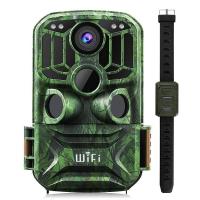
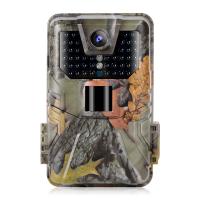
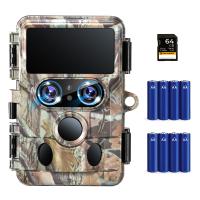
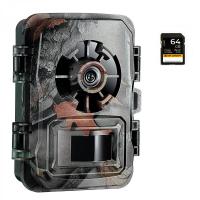
For a simple, reliable Wi-Fi trail camera, the GardePro E6 is one of the best all-around choices for most people. It’s affordable, easy to use, has good night performance for the price, and the app connection is less frustrating than many cheap Wi-Fi cameras I’ve tried or seen people struggle with.
Best overall Wi-Fi trail camera: GardePro E6
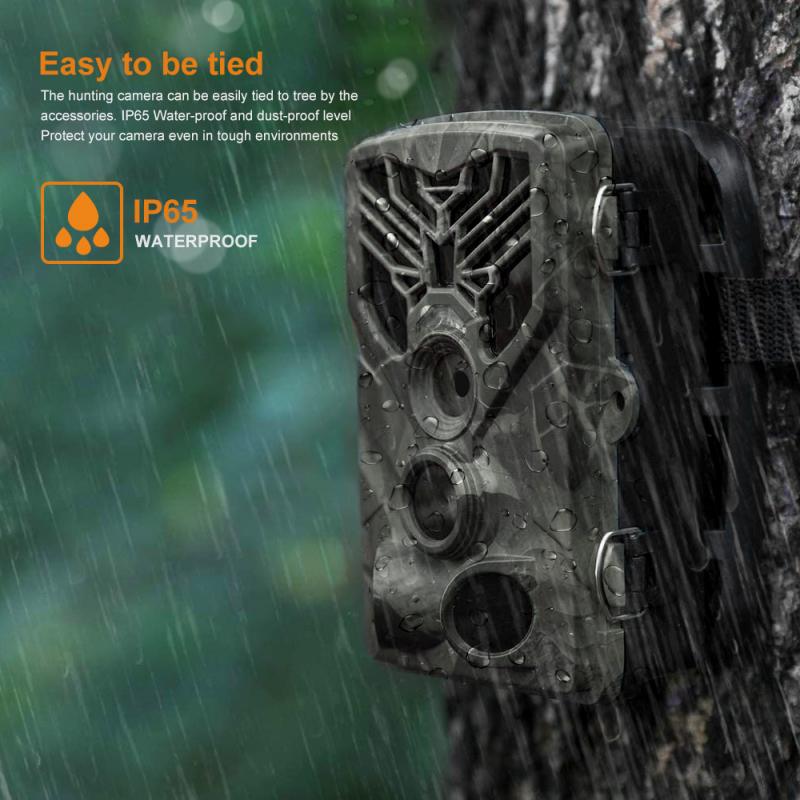
The GardePro E6 hits the sweet spot for most backyard wildlife, deer scouting, driveway monitoring, and cabin use. It has Wi-Fi and Bluetooth, so you can wake the camera and connect through the phone app without opening the housing every time.
That small detail matters more than people expect. With cheaper Wi-Fi cameras, you often have to walk up to the camera, open the latch, press buttons, wait for the Wi-Fi hotspot to start, then fight with the app. After doing that a few times in cold weather or mosquitoes, the feature stops feeling convenient.
The E6 is not a premium camera, but it gets the basics right:
- Good daytime photos
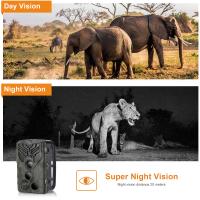
- Respectable night images
- No-glow infrared LEDs
- App-based viewing and settings
- Decent trigger speed
- Solid value for the price
For backyard wildlife, feeders, trails, gardens, sheds, and general property monitoring, it is usually enough. The photos are not going to look like a DSLR, and the video quality drops at night like nearly every trail camera in this range, but it gives you usable evidence and enjoyable wildlife footage without much drama.
The biggest limitation is range. You still need to be close to the camera to connect. In real use, that may be 20 to 50 feet depending on trees, terrain, weather, and your phone. Don’t expect to sit inside your house 200 feet away and browse the SD card unless the camera is very close with little obstruction.
Best Wi-Fi trail camera for easy backyard use
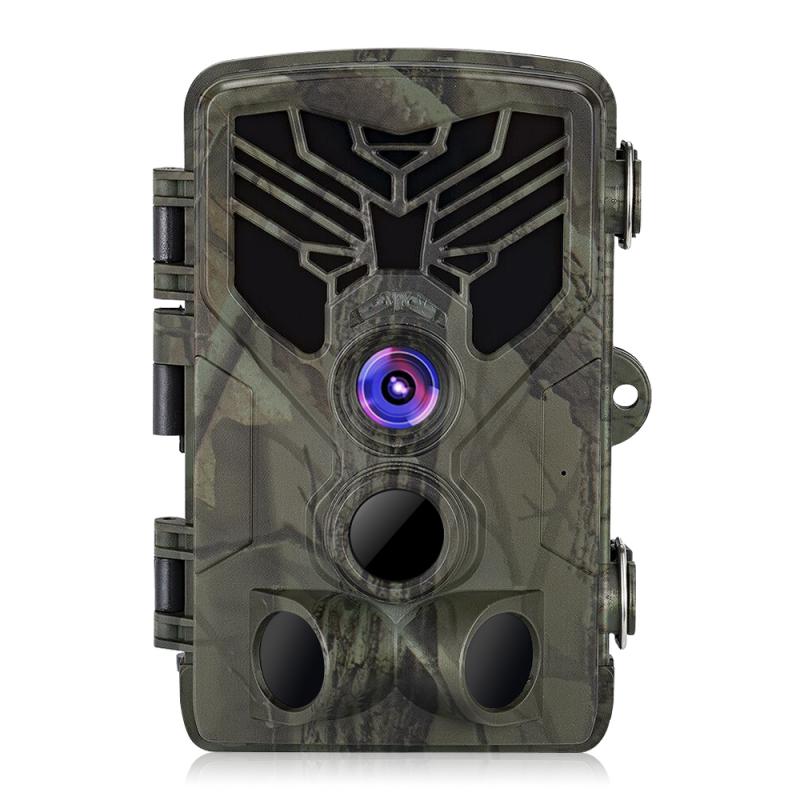
If your main use is watching raccoons, foxes, deer, stray cats, birds around a feeder, or anything moving around your yard, a Wi-Fi trail camera makes a lot of sense.
You can mount it, leave it alone, and check images from your phone instead of opening the camera every day. That helps avoid bumping the aim, getting moisture inside the housing, or wearing out the latch.
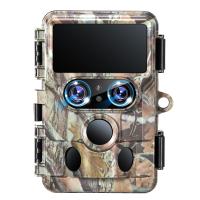
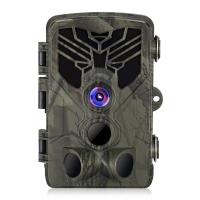
For this use, I’d still lean toward the GardePro E6, but the Vikeri Wi-Fi trail cameras and some Campark Wi-Fi models can also be decent if you catch them at a good price. The trade-off with many budget brands is consistency. One unit may work fine for years, while another has a fussy app, weaker night exposure, or poor battery behavior.
For backyard use, I care more about these things than advertised megapixels:
- The app connects without constant resets
- Night photos are not completely blown out
- The sensor does not trigger on every moving leaf
- The battery compartment is not flimsy
- The mount holds its angle after rain and wind
A common beginner mistake is mounting the camera too high and pointing it steeply downward. Chest height for a deer is often too high for smaller animals. For mixed backyard wildlife, I usually prefer knee height to waist height, angled slightly downward, with the camera facing along a path rather than straight across it.
Best for deer scouting
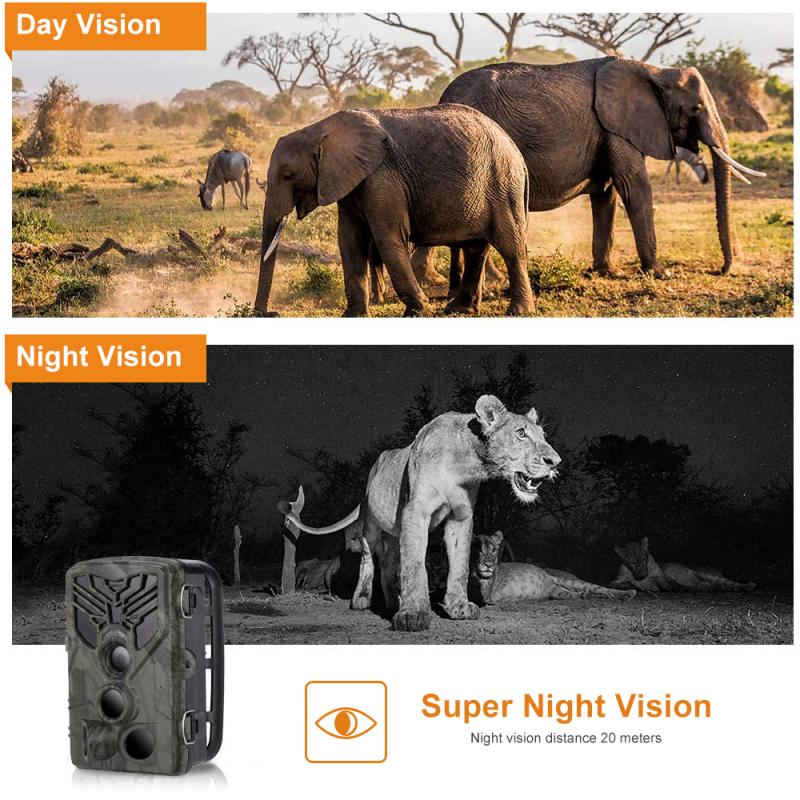
For deer scouting, Wi-Fi is useful only if you are physically walking near the camera anyway. It lets you check cards without opening the camera, which is nice, but it does not solve the bigger issue: walking into the area spreads scent and can bump deer.
If you are checking cameras near bedding areas, funnels, or food plots during hunting season, a cellular camera is usually the better tool.
If you still want Wi-Fi for deer scouting, choose a no-glow model with good battery life and a fast trigger. The GardePro E6 works for this if you are on a budget. Browning and Bushnell have traditionally made more dependable scouting cameras, though their best models are not always the ones marketed around Wi-Fi.
For hunting use, I’d pay attention to:
- Recovery speed between photos
- Detection reliability, not just trigger speed
- Night flash range
- Battery life in cold weather
- How easy it is to lock the camera to a tree
- Whether the camera makes noise when switching modes
Some cheap trail cameras make a faint click or have obvious red LEDs at night. Deer do not all react the same way, but mature deer in pressured areas can get camera-shy. If you’re placing a camera close to a scrape or narrow trail, no-glow infrared is safer.
If you actually want remote photos: buy cellular instead
A lot of people search for Wi-Fi trail cameras because they want phone alerts. Regular Wi-Fi models are usually the wrong product for that.
For remote photos, look at cellular cameras such as:
- Tactacam Reveal X / Reveal Pro models
- Moultrie Mobile Edge series
- SPYPOINT FLEX series
- Bushnell CelluCORE models
These use a cellular network, usually Verizon or AT&T in the U.S., and send photos to an app. You’ll need a data plan. Some plans are cheap if you only need limited photos, but costs add up if you run several cameras or upload lots of video.
Cellular cameras are much better for hunting land, remote gates, cabins, farm equipment, and properties you do not visit often. The downside is ongoing cost, weaker battery life, and dependence on cell signal. A cellular camera with one bar of service can be more annoying than a basic SD card camera.
Before buying one, check which carrier has the strongest signal where the camera will sit. The signal at your house does not matter if the camera will be in a low hollow behind a ridge.
Wi-Fi vs Bluetooth vs cellular
The marketing gets messy, so it helps to separate the three.
Wi-Fi trail camera: lets your phone connect to the camera nearby. Good for downloading photos without removing the SD card.
Bluetooth: often used to wake the camera or help pair it with the app. Bluetooth alone usually is not for transferring lots of photos.
Cellular trail camera: sends photos remotely through a mobile network. Best if you want alerts while away.
Some cameras use more than one of these. A camera may have Bluetooth for setup, Wi-Fi for local downloads, and cellular for remote sending. Read the details carefully, because product listings often make “wireless” sound more capable than it really is.
What I would buy
For most people asking for the best trail camera with Wi-Fi, I’d buy the GardePro E6 first. It is not the fanciest, but it is practical, reasonably priced, and good enough for most non-professional use.
If I were monitoring a remote hunting property, I would skip Wi-Fi-only cameras and buy a Tactacam Reveal or Moultrie Edge instead, depending on cell coverage and plan pricing.
If I were setting up cameras around my house or garden, I’d rather have two decent Wi-Fi cameras than one expensive one. Camera placement matters more than small differences in photo specs. One camera on a trail and another near a fence gap or feeder will teach you more than a single high-end unit pointed at the wrong spot.
Features that matter more than megapixels
Trail camera listings love big megapixel numbers. Take them lightly. A camera advertising 48MP or 64MP is often using interpolation, meaning the image is digitally enlarged rather than captured with true high detail.
More useful features:
- Reliable motion detection
- Clean night exposure
- Fast enough trigger for moving animals
- Good weather sealing
- Long battery life
- Simple app connection
- Standard SD card support
- Strong latch and mounting strap
Video can drain batteries fast, especially in cold weather. If the camera is in a busy area, set shorter clips. Ten to fifteen seconds is often enough for wildlife ID. For security use, longer clips may help, but you’ll burn through batteries and card space faster.
Battery and SD card advice
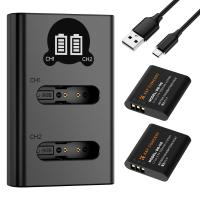
Use good lithium AA batteries if the camera will be outside in cold weather or left for long periods. Alkalines are cheaper, but they fade faster and can leak. Rechargeable NiMH batteries can work in some cameras, but not all models read their voltage accurately.
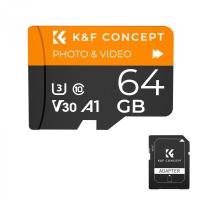
Format the SD card in the camera before first use. Many weird trail camera problems come from old cards, oversized cards, or cards previously used in other devices. I usually prefer a name-brand 32GB or 64GB card rather than a huge cheap card.
Also, don’t judge a camera after one bad night of photos. Fog, rain, spider webs, tall grass, and branches close to the lens can ruin images or cause hundreds of false triggers. Clear the area directly in front of the camera and avoid aiming it straight into sunrise or sunset.
Final recommendation
The GardePro E6 is the best Wi-Fi trail camera for most people because it balances price, image quality, ease of use, and app control better than most budget models.
Buy a Wi-Fi trail camera if you’ll be close enough to check it from your phone.
Buy a cellular trail camera if you want photos sent to you remotely.
That one distinction saves a lot of disappointment. For backyard wildlife, garden visitors, local property checks, and casual scouting, a good Wi-Fi model is convenient. For remote hunting land or security alerts, cellular is the tool that actually does what most people expect “wireless” to mean.