Where To Buy A Microphone?
If you’re buying a microphone for the first time, the hardest part usually isn’t choosing the exact model — it’s figuring out where to buy one without overpaying, getting the wrong type, or ending up with a fake, damaged, or unsuitable mic.
The best place to buy a microphone depends on what you need it for: podcasting, streaming, vocals, gaming, video calls, music recording, live performance, field recording, or content creation. A $40 USB mic from a general retailer might be perfectly fine for Zoom calls, while a singer recording vocals at home may be better off buying from a proper music store that also sells audio interfaces, mic stands, cables, and pop filters.
Here’s how I’d approach it in the real world.
Start with what you’re actually recording
Before choosing a store, get clear on the use case. This saves a lot of wasted money.
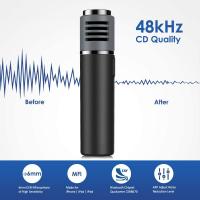
For simple computer use — meetings, Discord, basic streaming, online teaching — a USB microphone is usually the easiest choice. You plug it straight into your laptop or desktop and start recording. No audio interface, no XLR cable, no complicated setup.
For vocals, instruments, podcast studios, voice-over work, or live sound, you may want an XLR microphone. These are the standard in music and broadcast setups, but they require an audio interface, mixer, or recorder.
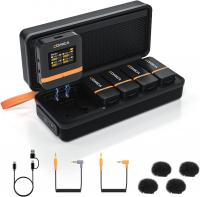
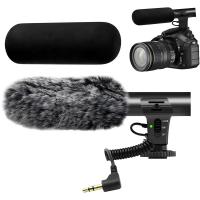
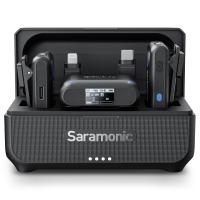
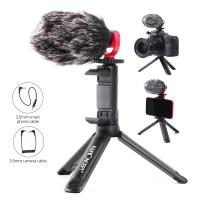
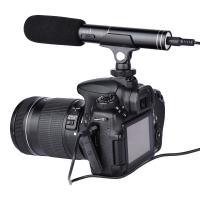
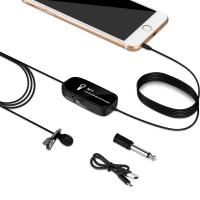
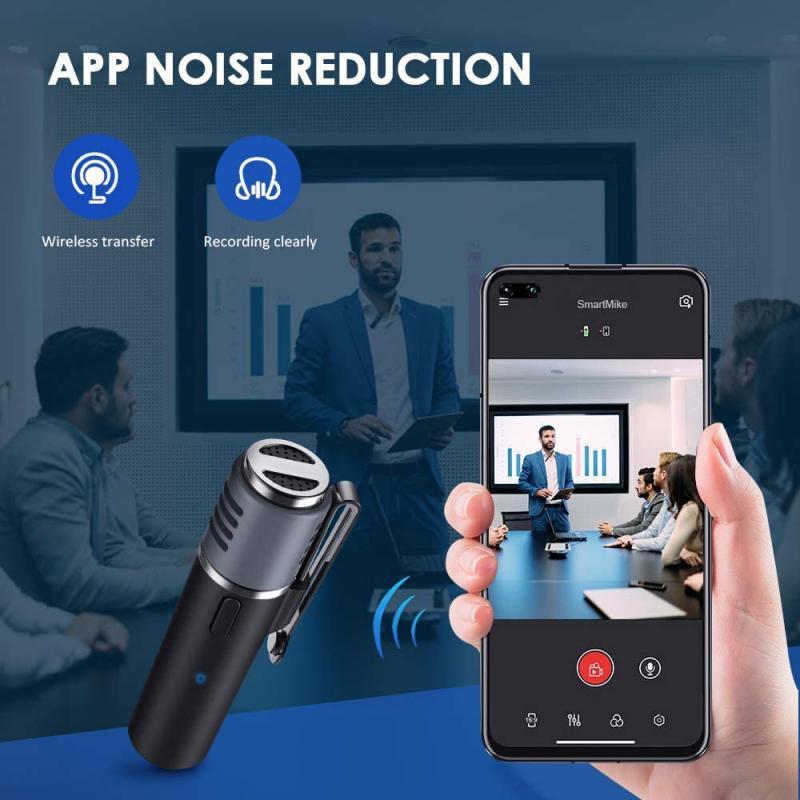
For filming with a camera or phone, you may be looking for a lavalier mic, shotgun mic, or wireless system. These are sold in both camera shops and music/audio stores, but the advice you get may differ depending on where you buy.
That distinction matters because some stores are better for beginner USB microphones, while others are better for serious recording gear.
Music stores are usually the safest choice for recording and performance mics
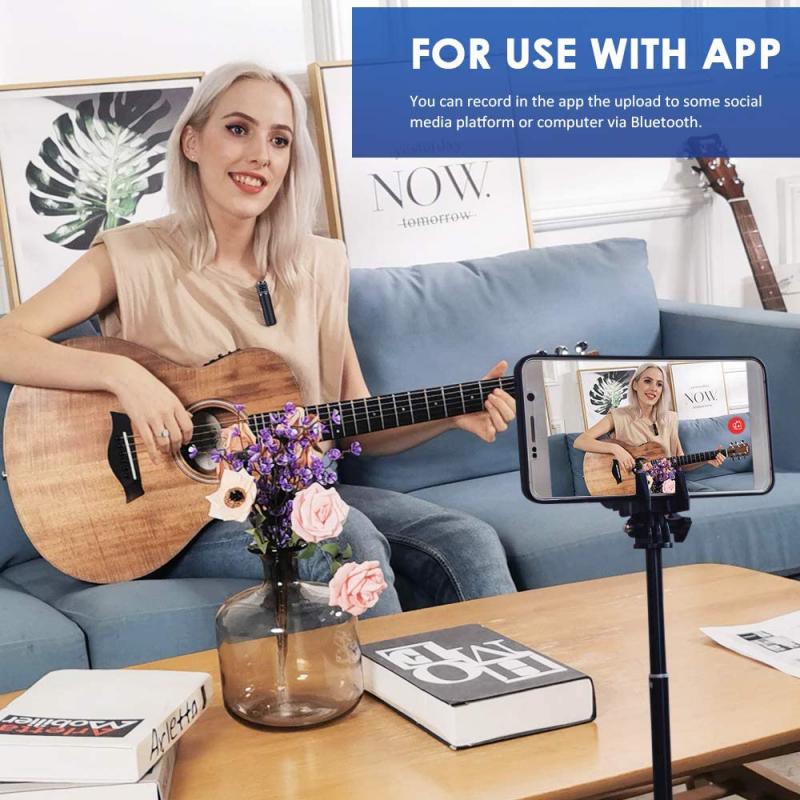
If you’re buying a microphone for singing, instruments, podcasting, voice-over, live events, or studio use, a dedicated music or pro audio retailer is often the best place to start.
Stores like Sweetwater, Guitar Center, Thomann, Andertons, B&H Photo, Long & McQuade, Gear4music, or your local independent music shop usually carry trusted brands such as Shure, Rode, Audio-Technica, Sennheiser, AKG, Electro-Voice, Neumann, Lewitt, sE Electronics, and Beyerdynamic.
The big advantage is that these stores understand audio gear. If you call or visit in person and say, “I need a mic for untreated bedroom vocals,” or “I’m recording a podcast with two people at one desk,” you’re more likely to get practical advice rather than a random product recommendation.
A good music store can also help you avoid half-buying a setup. For example, many beginners buy an XLR microphone and only later realize they also need:
- an audio interface or mixer
- an XLR cable
- a mic stand or boom arm
- headphones
- a pop filter or windscreen
- possibly phantom power, depending on the mic
Buying from a proper audio retailer reduces the chance of missing something essential.
Local music shops are especially useful if you want to hear or handle the mic before buying. Microphones feel different in person. Some are heavier than expected, some desktop stands are wobbly, and some “broadcast-style” mics need a strong boom arm because they’re surprisingly heavy.
Amazon is convenient, but you need to be careful
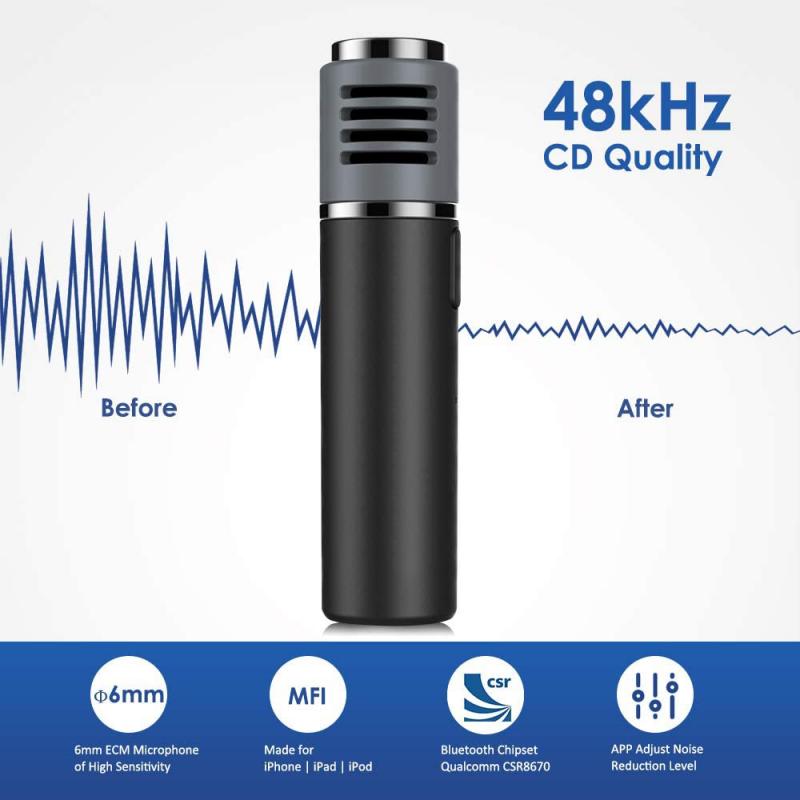
Amazon can be a good place to buy a microphone if you already know what model you want, especially for USB mics, gaming mics, lavalier mics, and common podcasting gear.
The upside is obvious: fast delivery, easy returns, competitive pricing, and lots of user reviews. For popular models like the Blue Yeti, Audio-Technica AT2020USB-X, Rode NT-USB Mini, Shure MV7, Samson Q2U, or HyperX QuadCast, Amazon often has plenty of stock.
The downside is that microphone listings can be messy. You’ll see lookalike products, confusing bundles, third-party sellers, old versions, open-box items, and accessories that look more professional than they really are. Reviews can also be misleading because many buyers are using the mic in completely different environments.
If you buy from Amazon, check the seller carefully. I’d rather buy a microphone sold by Amazon directly or by the official brand store than from an unknown third-party seller with a slightly cheaper price. This matters more with expensive microphones because counterfeit and grey-market gear does exist.
Also read the return policy. A microphone may be technically good but wrong for your room. A sensitive condenser mic can sound terrible in a reflective bedroom with a loud computer fan. Being able to return it is valuable.
Camera stores are better for video, phone, and wireless microphones
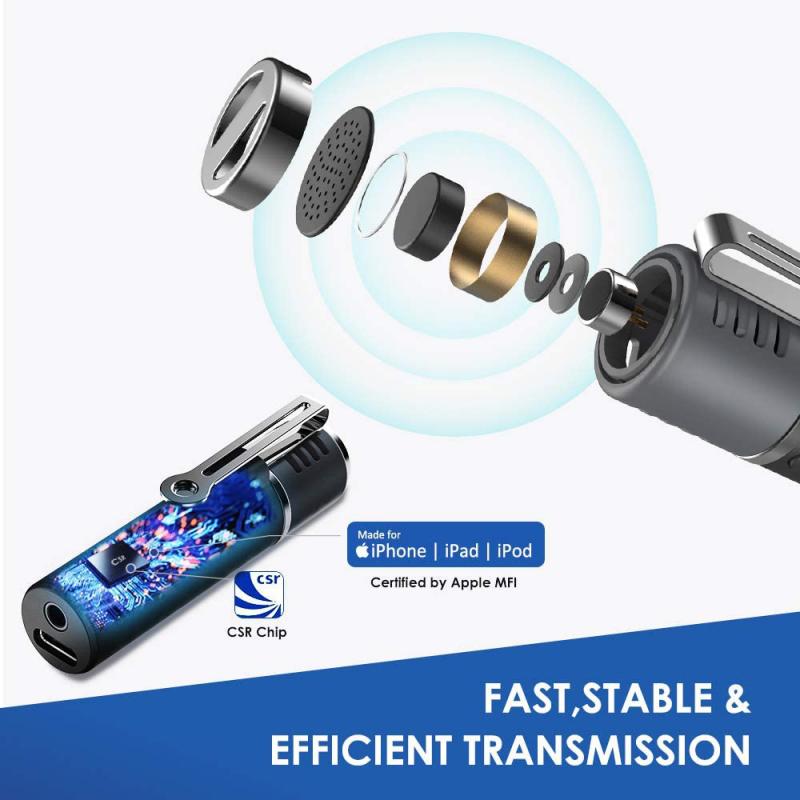
If you’re making YouTube videos, filming interviews, recording weddings, shooting documentaries, or using a mirrorless camera, a camera store can be a better place to buy than a general music shop.
Retailers like B&H Photo, Adorama, Wex Photo Video, Moment, or local camera stores usually understand shotgun mics, wireless lav systems, camera mounting, phone compatibility, TRS vs TRRS cables, and battery-powered field gear.
That last point is easy to overlook. A microphone can be excellent and still not work with your camera or phone without the right adapter. I’ve seen people buy a lavalier mic meant for cameras, plug it into a phone, and wonder why nothing records. The connector type matters.
For video work, you’ll often be choosing between:
- a small on-camera shotgun mic
- a wired lavalier mic
- a wireless lav system
- a handheld interview mic
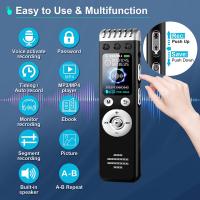
- a portable recorder with external mic inputs
A camera-focused retailer is more likely to ask what device you’re recording into, which is exactly the right question.
Big-box electronics stores are fine for basic needs
Stores like Best Buy, Walmart, Target, Currys, MediaMarkt, or other electronics retailers can be perfectly fine if you need a microphone quickly for gaming, meetings, school, streaming, or casual recording.
You’ll usually find USB microphones, gaming headsets, simple clip-on mics, and sometimes podcasting kits. The selection may not be as deep as a music store, but for basic use, it can be enough.
The main limitation is advice. Staff may know computers and gaming gear better than recording quality. That’s not necessarily a problem if you’re buying a plug-and-play USB mic, but I wouldn’t rely on a big-box store for choosing a vocal mic for music production.
One practical reason to buy locally: returns are easy. If the mic picks up too much keyboard noise or doesn’t work well with your laptop, you can take it back without shipping anything.
Used microphones can be a smart buy, with a few cautions
Buying used can save a lot of money, especially with durable dynamic microphones. A used Shure SM58 or SM57, for example, can keep working for decades if it hasn’t been abused. These mics are common for a reason: they survive drops, gigs, rehearsals, and rough handling.
Good places to buy used microphones include Reverb, eBay, Facebook Marketplace, Craigslist, local music shops, and used sections from major retailers.
Used dynamic mics are generally safer than used condenser mics. Condensers are more sensitive to moisture, drops, bad storage, and electrical issues. That doesn’t mean you should avoid used condensers completely, but I’d be more cautious.
If buying used, ask:
- Does it work without crackling or dropouts?
- Has it been used in a smoke-free environment?
- Was it stored in a case?
- Are the grille and connector in good condition?
- Can you test it before paying?
- Is the price low enough to justify no warranty?
For expensive studio microphones, I’d rather buy used from a reputable shop or marketplace with buyer protection than from a random cash-only listing.
Avoid ultra-cheap bundles unless you know what you’re getting
You’ll see microphone kits online that include a condenser mic, boom arm, shock mount, pop filter, cable, and sometimes even a tiny “sound card” for a very low price. Some are usable for casual chatting, but many disappoint people who expect studio sound.
The common problems are noisy electronics, weak stands, harsh sound, poor build quality, and misleading product photos. The mic may look like a professional studio condenser but perform more like a basic computer mic.
If your budget is tight, it’s usually better to buy one decent entry-level microphone than a flashy bundle full of weak accessories. A simple dynamic USB/XLR mic like the Samson Q2U or Audio-Technica ATR2100x-USB is often more useful than a cheap condenser kit in an untreated room.
Don’t forget the room matters as much as the store
A lot of people blame the microphone when the real issue is the recording space. If you’re in a bare room with hard walls, a condenser mic will pick up echo, keyboard noise, traffic, and chair squeaks. Buying a more expensive mic won’t automatically fix that.
For home podcasting or streaming, dynamic microphones are often easier to live with because they reject more room noise when used close to the mouth. For singers and acoustic instruments, condensers can sound more open and detailed, but they need a quieter, better-controlled space.
So before spending more, think about where the mic will sit, how close you’ll be to it, and what noise is around you. A good retailer should help you match the microphone to your environment, not just your budget.
Where I’d buy, depending on the situation
For a basic USB mic, Amazon, Best Buy, or a reputable electronics store is fine, as long as returns are easy.
For podcasting or voice-over, I’d lean toward Sweetwater, B&H, Thomann, Guitar Center, or a local music store because you may need advice on interfaces, stands, and headphones.
For singing or recording instruments, buy from a music/pro audio retailer. You’ll get better guidance and a more suitable range of microphones.
For camera and phone video, use a camera/audio retailer that understands lavaliers, shotgun mics, wireless systems, and device compatibility.
For live performance, go to a music store if possible. Handheld stage mics are worth testing in person, especially if you care about handling noise, feedback rejection, and durability.
For used gear, Reverb and reputable used departments are safer than random listings, especially for higher-end microphones.
The simplest buying advice
If you don’t know what microphone to buy yet, don’t start with the cheapest listing online. Start with the purpose: voice calls, streaming, singing, podcasting, filming, or live performance. Then buy from a retailer that specializes in that kind of use.
For most people, the safest choices are a reputable music/audio store, a trusted camera store for video work, or a major retailer with a clear return policy. The best store is the one that gives you the right mic for your setup — not just the lowest price.