What Is A Good Video Camera For Vlogging?
The best vlogging camera is the one you’ll actually carry, set up quickly, and trust not to ruin the shot while you’re talking. That sounds obvious, but it’s where a lot of people go wrong. They buy a camera with beautiful image quality, then discover it’s too heavy, the autofocus hunts, the screen doesn’t flip the right way, or the audio sounds like it was recorded inside a drawer.
For most people starting a vlog, I’d look first at cameras like the Sony ZV-1 II, Sony ZV-E10, Canon PowerShot V10, DJI Osmo Pocket 3, or even a recent iPhone or Samsung Galaxy before jumping into larger mirrorless setups. Each one makes sense for a different kind of vlogger.
If you want the safest all-around choice: Sony ZV-1 II
The Sony ZV-1 II is one of the easiest cameras to recommend for everyday vlogging because it was built for exactly that job. It’s small, the screen flips forward, the autofocus is reliable, and the built-in lens is wide enough for arm’s-length filming. That last part matters more than beginners expect.
A lot of older compact cameras looked good on paper but were too tight for handheld vlogging. You’d hold the camera out and your face would fill the entire frame, with no room for background or movement. The ZV-1 II fixes that better than the original ZV-1.
It also has Sony’s “product showcase” mode, which is genuinely useful if you film gear, makeup, crafts, food, or anything you hold up to the camera. Instead of staying locked on your face, it quickly shifts focus to the object. Small feature, big quality-of-life improvement.
The downside is low-light performance. It’s fine in daylight, near a window, or in a decently lit room. In dim restaurants, night streets, or moody bedrooms with one lamp on, it starts to show its limits. You can still use it, but don’t expect the creamy, clean image you see from larger cameras.
Best for: travel vlogs, daily vlogs, sit-down talking videos, simple creator setups, people who don’t want to change lenses.
If you want better image quality and room to grow: Sony ZV-E10
The Sony ZV-E10 is a strong step up if you’re serious about vlogging and don’t mind dealing with lenses. It uses a larger APS-C sensor, so you get better background blur, better low-light performance, and a more “real camera” look.
The catch is that the camera body is only part of the decision. The lens matters just as much. The kit lens is usable, but not exciting. For handheld vlogging, you’ll want a wide lens — something around 10–18mm or 11mm on Sony APS-C. If you put a tight lens on it, the camera becomes frustrating fast.
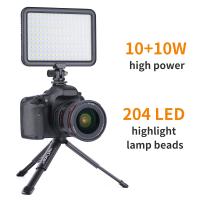
The ZV-E10 is excellent for someone filming both handheld vlogs and studio-style YouTube videos. Put it on a tripod with a decent lens and a small light, and it can look far more polished than most compact cameras. Add a shotgun mic or wireless lav and you’ve got a serious setup without spending full-frame money.
There are two things to watch for. First, it has noticeable rolling shutter if you whip the camera around quickly. Normal walking and talking is fine, but fast pans can look wobbly. Second, there’s no in-body stabilization, so handheld footage depends heavily on your lens, your grip, and whether you’re willing to stabilize in editing.
Best for: YouTube creators, home studio setups, lifestyle vloggers, people who want interchangeable lenses without spending too much.
If you want the smallest no-fuss camera: DJI Osmo Pocket 3
The DJI Osmo Pocket 3 is one of the most practical vlogging cameras for people who film while walking, traveling, cooking, shopping, or moving around. Its built-in gimbal makes footage look smooth in a way that small mirrorless cameras usually don’t without extra gear.
This is the camera I’d point someone toward if they say, “I mostly film by myself and I hate shaky footage.” You turn it on, the camera faces you, and you’re ready. The tracking works well, the image quality is much better than older Pocket models, and it’s less awkward in public than holding a big camera with a fluffy microphone on top.
Audio is also better than expected if you buy the Creator Combo with DJI’s wireless mic. For solo vlogging, that bundle makes a lot of sense. Good audio instantly makes videos feel more watchable, even before you improve your lighting or editing.
The limitation is that it doesn’t feel like a traditional camera. It’s less flexible for photography, lens choices, and certain cinematic looks. It’s also small enough that you’ll want to be careful with drops, sand, and rough handling. But for real-world vlogging, especially travel and walking footage, it’s hard to beat.
Best for: travel, walking videos, solo creators, street vlogs, people who want stabilized footage without a gimbal.
If you want something simple and affordable: Canon PowerShot V10
The Canon PowerShot V10 is a quirky little camera, but it makes sense for beginners who want a dedicated vlogging camera without learning camera settings. It has a built-in stand, a wide lens, a front-facing screen, and a design that encourages quick recording.
It’s not the camera I’d choose for the best image quality. The Sony options look better in more situations, and the DJI is smoother for movement. But the V10 wins on simplicity. You can set it on a table, flip the screen, and start talking without building a rig.
The built-in stand is more useful than it sounds. A lot of beginners underestimate how annoying it is to always need a tripod. If you film short updates, desk videos, casual travel clips, or social content, being able to place the camera anywhere is handy.
Best for: beginners, casual vloggers, simple talking videos, creators who want a dedicated camera but not a complicated one.
Don’t ignore your phone
A recent iPhone, Samsung Galaxy, or Google Pixel can be a very good vlogging camera, especially outdoors. Phones are fast, stabilized, always with you, and excellent for quick social content. If you’re still figuring out your style, your phone might be the smartest starting point.
The mistake people make with phones is assuming the camera is the weak link. Often it’s the audio, lighting, or composition. Add a small phone tripod, clean your lens, face a window, and use a wireless mic, and your footage can improve dramatically.
Phones do struggle with a few things. They can over-sharpen faces, low light may look processed, and background blur can look artificial unless used carefully. Storage also fills up quickly if you shoot a lot of 4K video. Still, if your main goal is Instagram, TikTok, Shorts, or casual YouTube vlogs, a phone is more than capable.
Best for: beginners, short-form creators, travel clips, anyone testing vlogging before buying a camera.
What actually matters in a vlogging camera
Image quality gets all the attention, but usability matters more. A good vlogging camera should have a flip screen, reliable face and eye autofocus, decent stabilization, a lens wide enough for handheld filming, and a way to connect a better microphone.
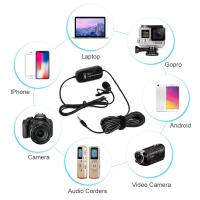
Audio is the one area I wouldn’t compromise too much. Viewers will forgive average video before they forgive harsh, echoey, distant sound. If you’re filming indoors, even a basic wireless lav mic can make your videos feel much more professional. If you’re outdoors, wind protection is essential. A tiny deadcat windscreen can save footage that would otherwise be unusable.
Battery life is another boring detail that matters in real use. Small cameras burn through batteries faster than people expect, especially in 4K. If you’re traveling or filming a full day, buy extra batteries or carry a power bank. Nothing kills momentum like finding a good moment to film and seeing 6% battery left.
Also think about how comfortable you are filming in public. A large mirrorless camera may look great, but if you feel awkward using it in a café or on a sidewalk, you’ll film less. Smaller cameras often lead to better vlogs simply because they get used more.
My practical picks
If I were buying one camera for general vlogging, I’d choose the Sony ZV-1 II for simplicity and reliability. It’s the most balanced option for someone who wants a real camera without building a whole kit.
If I cared more about smooth walking footage and travel convenience, I’d pick the DJI Osmo Pocket 3, preferably with the Creator Combo. It’s one of the few cameras that genuinely makes solo filming easier.
If I planned to make YouTube videos long-term and wanted better image quality, I’d go with the Sony ZV-E10 and invest in a proper wide lens and microphone. It takes more effort, but the ceiling is higher.
If budget is tight, start with your phone and spend money on audio and support first. A phone with a good mic, small tripod, and decent light will often beat an expensive camera used badly.
The honest answer is that there isn’t one perfect vlogging camera. The right choice depends on how you film. Sitting at a desk, walking through cities, filming family trips, reviewing products, and making short-form content all push you toward different gear. Pick the camera that removes the most friction from your actual routine, not the one with the most impressive spec sheet.