Pressure In Ear When Wearing Headphones?
Why your ears feel “pressurized” with headphones on
A pressure feeling in the ear from headphones is surprisingly common, and it doesn’t always mean something is wrong with your ears. Sometimes it’s the headphone design. Sometimes it’s the fit. Sometimes your ears are already a little congested, and the headphones make you notice it more. The tricky part is that people describe several different sensations as “pressure”: - a plugged-ear feeling, like being on an airplane - soreness around the outer ear - a suction feeling from earbuds - discomfort that builds after 20–30 minutes - a strange inner-ear fullness with noise-cancelling headphones - mild pain from tight ear cups or ear tips Those are not all caused by the same thing, so the fix depends on what kind of pressure you’re feeling.
If the pressure feels like it’s inside your ear
If the feeling is deep in the ear, almost like your ear needs to “pop,” headphones may not be the only cause. Your middle ear pressure is controlled by the Eustachian tube, a small passage that helps equalize pressure between your ear and the back of your nose. If you have allergies, a cold, sinus congestion, acid reflux, or recently flew on a plane, your ears may already be struggling to equalize. Put on sealed headphones or earbuds, and the sensation can become more noticeable. In that case, switching headphones may help a little, but the real issue is often congestion or inflammation. You might notice the same plugged feeling when swallowing, yawning, or lying down. A simple test: wear the headphones without playing audio. If your ear still feels blocked or pressurized after a few minutes, the seal or your ear condition may be part of the problem rather than the sound itself. If you have pain, dizziness, drainage, ringing that doesn’t settle, or hearing loss, don’t keep experimenting with louder volume or tighter fits. Get your ear checked.
Noise cancelling can feel like pressure, even when no pressure changes
Active noise cancelling headphones are a common culprit. Many people describe ANC as “pressure,” “vacuum,” or “underwater” feeling. The headphones are not usually changing air pressure inside your ear in a meaningful way. What’s happening is stranger: ANC removes low-frequency background noise, and your brain can interpret that sudden absence as pressure or fullness. Some models also create tiny sound waves to cancel outside noise, and not everyone’s ears tolerate that sensation well. This is especially noticeable with strong ANC headphones in quiet rooms, trains, airplanes, or cars. Some people adapt after a week. Others never like it. If your headphones have adjustable noise cancelling, try reducing it instead of turning it fully on. Transparency or ambient mode may also feel more natural because it lets some outside sound back in. I’ve seen plenty of people blame ear problems when the real fix was simply using medium ANC instead of maximum ANC. If the pressure disappears when ANC is off, you’ve found the cause.
Over-ear headphones: pressure often comes from clamp force and trapped heat
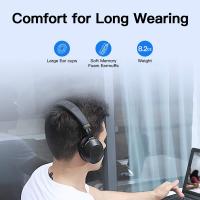
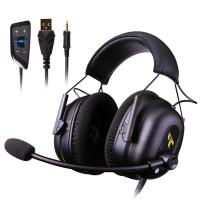
With over-ear headphones, pressure is often physical rather than medical. The headband clamps the ear cups against your head, and after a while the pads press into the area around your ears. This can feel like ear pressure even though the ear canal itself is fine. Glasses make it worse because the arms of the glasses get squeezed between your head and the ear pads. Thick frames can create sore spots near the temples or behind the ears. Closed-back headphones can also trap heat. After an hour, your ears may feel warm, slightly swollen, or sensitive. That discomfort often gets described as pressure. A few practical fixes usually help: - extend the headband slightly so the cups sit lower and don’t pull upward - make sure your ears are fully inside the pads, not partly trapped under them - replace flattened ear pads on older headphones - take short breaks before discomfort builds - avoid wearing thick glasses with very tight headphones for long sessions Some headphones loosen naturally after a few weeks. If the clamp is brutal from day one, though, don’t assume you’ll “break them in” easily. A tight gaming headset or studio headphone can remain uncomfortable for years if the shape doesn’t match your head.
In-ear earbuds are different. They seal inside the ear canal, usually with silicone or foam tips. If the tip is too large, inserted too deeply, or forms a very tight seal, you may feel suction or pressure. This often happens when removing earbuds too. If you pull them straight out quickly, the seal breaks suddenly and gives a little pop. That can irritate the ear canal over time. Try gently twisting earbuds out rather than pulling. For many people, that alone reduces the uncomfortable suction feeling. Tip size matters more than people think. A bigger tip does not automatically mean better sound. Too large a tip can press against the canal wall and cause soreness. Too small a tip may force you to push the earbud deeper to get bass, which can also create discomfort. Foam tips can be more comfortable for some ears because they expand gently, but they can also create a stronger plugged feeling. Silicone tips are easier to clean and often feel less “stuffed,” but they may slip if your ear shape doesn’t suit them. If you use earbuds for calls all day, consider switching between ears or using one earbud at a time. Constant pressure in the same ear canal for hours can make even good earbuds feel irritating.
Loud sound does not create the same kind of pressure as air pressure, but it can make your ears feel tense, full, or fatigued. Bass-heavy headphones are especially likely to cause this sensation because low frequencies feel physically more forceful. If your ears feel pressured after listening, and especially if there’s ringing or muffled hearing afterward, the volume is too high or the listening session is too long. One common mistake is turning up the volume to overcome outside noise. This happens with non-noise-cancelling earbuds on buses, at the gym, or while walking near traffic. Your ears may feel fine during the session, then feel full or dull afterward. A better approach is to improve isolation or reduce background noise rather than pushing volume higher. Well-fitting earbuds at lower volume are safer and usually more comfortable than loose earbuds played loudly.
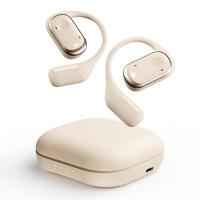
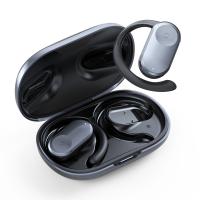
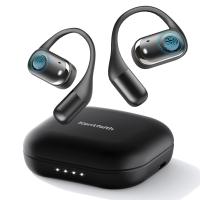
Some people tolerate sealed headphones well. Others do better with open-back headphones or looser on-ear designs. Open-back headphones let air and sound pass through the ear cups. They usually feel less closed-in and less pressurized, though they leak sound and don’t block noise. They’re great for quiet rooms, poor for commuting. Closed-back headphones isolate better but can feel more sealed and warm. ANC models add another layer of sensation. In-ear monitors give the strongest seal, which is useful for sound quality and noise blocking, but not everyone likes having something in the ear canal. There isn’t one “best” design for ear pressure. If you repeatedly feel discomfort with sealed earbuds, don’t keep buying slightly different sealed earbuds expecting a miracle. Try a different category: open earbuds, open-back headphones, lighter over-ear models, or headphones with adjustable ANC.
Before replacing your headphones, spend a few minutes adjusting them properly. Many pressure complaints come from poor positioning. For over-ear headphones, the pads should surround the ear rather than sit on the ear. If the bottom of your ear is folded under the pad, pressure builds fast. The headband should rest lightly on the top of your head, not pull the cups upward. For earbuds, start with the smallest tip that still seals. Insert gently. If you need to jam the earbud in to get bass, the tip shape is probably wrong. Some brands include narrow, wide, shallow, and deep tips; trying them is not just a comfort exercise — it changes sound and pressure too. If one ear feels pressure and the other doesn’t, that’s normal. Ear canals are rarely identical. You may need a medium tip in one ear and a small tip in the other. Also keep ear tips clean. Wax buildup on the mesh or tip can affect sound, which leads people to push earbuds deeper or raise volume. Both can increase discomfort.
Most headphone pressure is harmless and fixable, but a few signs deserve attention. Stop using the headphones for a while and consider seeing a clinician if you notice: - sharp or worsening ear pain - hearing loss or muffled hearing that does not clear - fluid, blood, or discharge from the ear - dizziness or spinning sensation - strong ringing after listening - pressure in one ear that persists without headphones - pain after using cotton swabs or after swimming Earwax blockage is another common issue. Headphones don’t cause deep wax impaction by themselves, but earbuds can push wax inward in some people. If one ear feels blocked and sound is quieter on that side, wax may be involved. Avoid digging around with cotton swabs; that often makes the blockage worse.
Try this simple sequence: First, wear the headphones with no music and ANC off. If pressure appears, the fit or seal is likely the issue. Next, turn ANC on without music. If the pressure appears only then, your ears may be sensitive to noise cancelling. Then play music at low volume. If the discomfort starts only after raising volume or listening for a while, listening fatigue may be the problem. Finally, try a different style of headphone for a day. If earbuds bother you but loose over-ear headphones don’t, your ear canals may dislike sealed tips. If over-ear headphones hurt but earbuds don’t, clamp force or pad shape is probably the cause. This kind of trial-and-error is more useful than guessing, because “ear pressure” can come from several different things that feel similar.
For occasional pressure, adjust the fit, lower the volume, take breaks, and avoid maximum ANC unless you truly need it. For recurring pressure, the best fix is usually changing headphone style. Comfort is personal. A headphone can have excellent reviews and still be wrong for your ears or head shape. If your ears feel full even without headphones, treat that as an ear or sinus issue rather than a headphone issue. Headphones may be exposing the problem, not causing it. The goal is simple: your headphones should disappear after a few minutes of use. If you’re constantly aware of pressure, suction, heat, or soreness, something about the fit, seal, sound level, or your ears needs attention. Listening should not feel like endurance training.