How To Keep Earbuds In Your Ear?
Most earbuds fall out for one of four reasons: the tip is the wrong size, the angle is wrong, the earbud is too heavy for your ear shape, or the cable/body is being pulled as you move. Fixing it usually takes a little trial and error, not just shoving them in harder.
If your earbuds keep slipping out during walking, running, workouts, or even while sitting still, start with fit before blaming the earbuds. A surprisingly small adjustment can make a cheap pair feel secure, while a poorly fitted expensive pair will still work loose every few minutes.
Start with the ear tips, not the earbuds
The silicone tip is the part doing most of the work. If it doesn’t seal correctly, the earbud has nothing to grip.
Most people try the medium tips first and never change them. That’s a mistake. The “medium” size included in the box is only a guess. Your left and right ears may not even need the same size.
Try this:
- Put the small tip on one earbud and the medium on the other.
- Insert both and gently shake your head.
- Swap sides.
- Try medium versus large the same way.
You’re looking for a fit that feels snug without pressure. If the tip is too small, the earbud will feel loose and sound thin, especially in the bass. If it’s too large, it may slowly push itself out because the silicone is compressed too much.
A good seal usually gives you fuller bass and blocks a bit of outside noise. If the sound suddenly becomes weak or hollow after a few minutes, the tip has probably loosened.
Insert them at the right angle
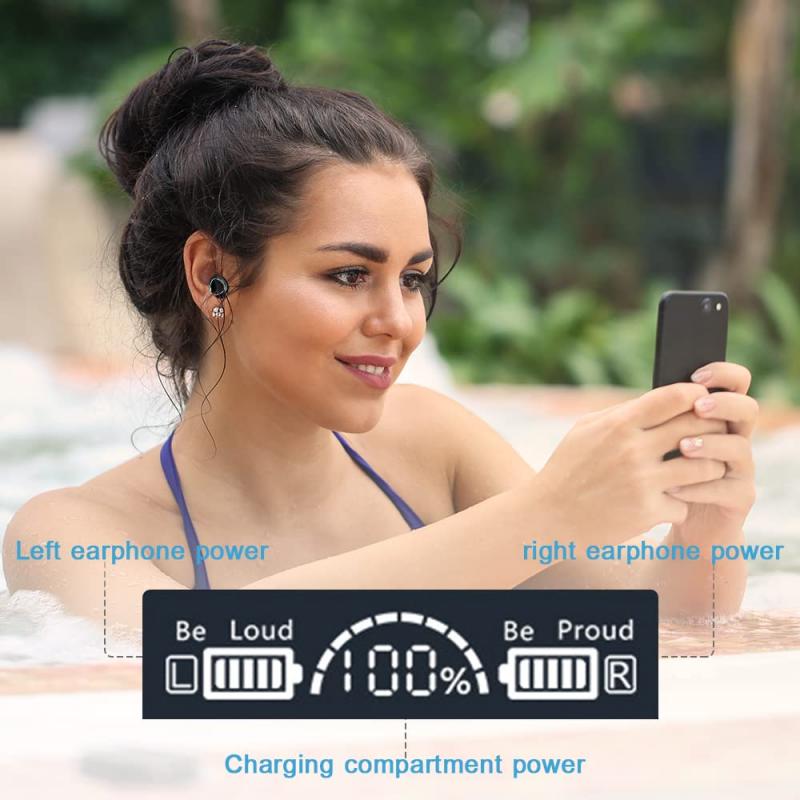
Earbuds don’t usually go straight in. The ear canal angles slightly forward and upward for many people, so pushing the earbud straight toward your head can make it sit badly.
A better method:
- Hold the earbud with the tip facing your ear canal.
- Gently pull the top of your ear upward and back with your opposite hand.
- Insert the tip, then twist the earbud slightly backward or forward until it settles.
- Let go of your ear and check if the earbud stays seated.
The twist matters. Many wireless earbuds are shaped to lock into the outer part of the ear, not just the canal. If the stem or body is pointing in the wrong direction, the earbud may feel fine at first but work loose once you talk, smile, or move your jaw.
For stem-style earbuds, the stem usually points downward or slightly forward. For rounder earbuds, the body often needs a small backward twist so it tucks into the ear bowl.
Don’t force it deep. If you need to jam the earbud in to make it stay, the tip or earbud shape is probably wrong.
Check whether you’re wearing left and right correctly

This sounds obvious, but it happens more than people admit, especially with sport earbuds or models without clear markings. Some earbuds will physically fit in the wrong ear but never sit securely.
Look for the tiny L and R markings. If they’re hard to see, mark the case or one earbud with a small sticker or dot. Once you wear them correctly a few times, the shape usually makes sense.
Try foam tips if silicone keeps slipping
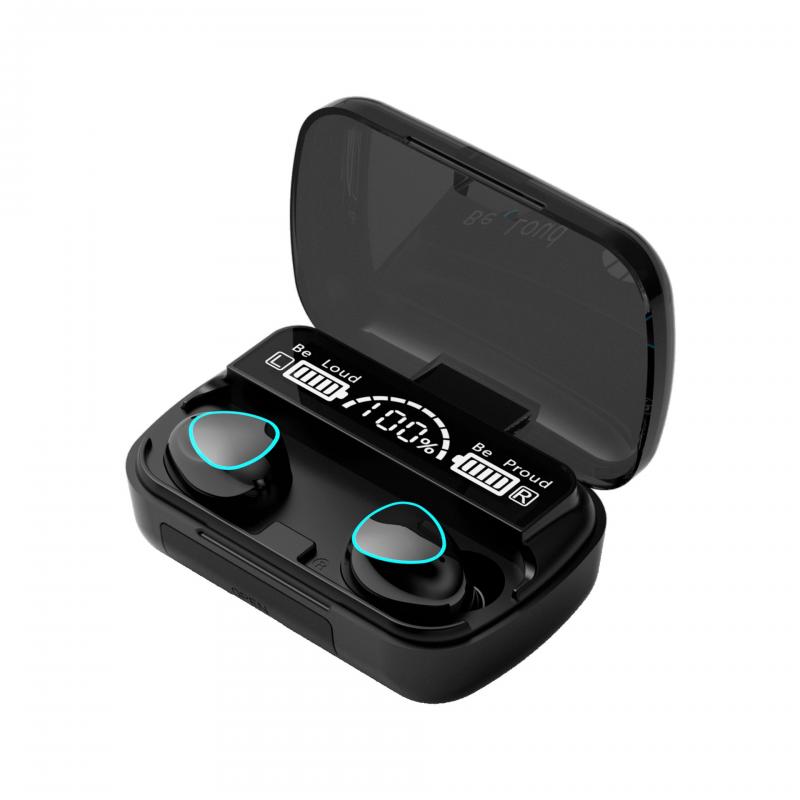
Silicone tips are easy to clean and last a long time, but they don’t work well for everyone. If your ears get sweaty, oily, or the canal shape is tricky, silicone can slowly slide out.
Foam tips can help because they compress before insertion and then expand inside the ear canal. They often feel more secure for running, commuting, and longer listening sessions.
To use foam tips properly:
- Roll the foam between your fingers to compress it.
- Insert the earbud while the foam is still narrow.
- Hold it in place for 10–20 seconds while it expands.
Foam usually gives a stronger seal and better noise isolation, but it wears out faster than silicone. It also needs more care because it can absorb sweat and earwax. If you use earbuds daily, expect to replace foam tips every few weeks or months depending on the brand and how clean you keep them.
Use ear wings or hooks for workouts
If your earbuds fall out mainly during exercise, the problem may not be the canal fit. Sweat, bouncing, and jaw movement can defeat even a decent seal.
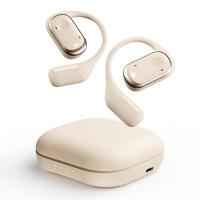
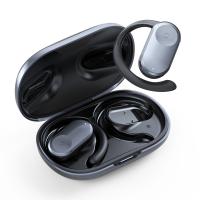
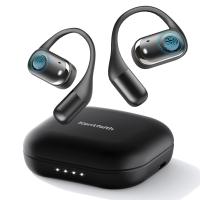
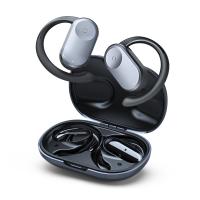
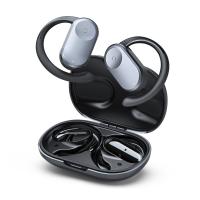
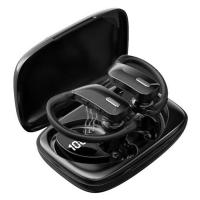
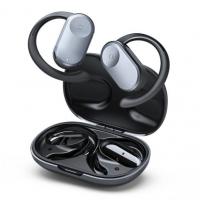
Ear wings, fins, or hooks give the earbud another contact point. Instead of relying only on the ear canal, they brace against the outer ear. Many sport earbuds come with different wing sizes in the box. If yours did, try them. People often leave the default wings installed even though a larger or smaller one would work better.
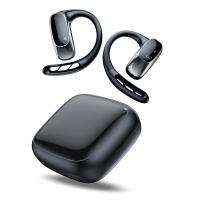
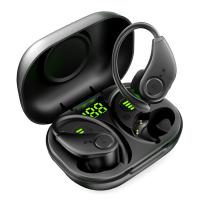
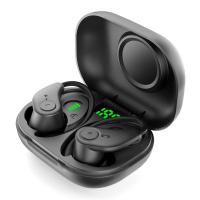
Ear hooks, the kind that loop over the ear, are even more stable. They’re especially useful for running, HIIT workouts, cycling indoors, or any activity where dropping an earbud would be annoying or expensive.
The trade-off is comfort. Hooks and wings can feel bulky during long listening sessions, and glasses wearers may notice extra pressure behind the ear. For gym use, though, they’re often worth it.
Clean your earbuds and ears regularly
Earbuds can slip because the tips are dirty, not because the size is wrong. Earwax, skin oil, sunscreen, lotion, and sweat all reduce grip.
Wipe silicone tips with a slightly damp cloth, then dry them fully before use. You can remove the tips and wash them with mild soap and water, but don’t put wet tips back on the earbuds. Moisture near the speaker mesh is a good way to shorten their life.
Also check the speaker grille. If wax builds up there, sound can become quieter, which makes people push the earbuds in harder. That can make the fit worse and irritate the ear.
Avoid cleaning your ears aggressively before wearing earbuds. Cotton swabs can push wax deeper or irritate the canal, making earbuds uncomfortable. If wax buildup is a frequent issue, use safer ear-cleaning methods or ask a clinician, especially if you notice muffled hearing.
Reduce cable pull if you use wired earbuds
Wired earbuds often fall out because the cable tugs on them. The earbud may fit fine until the cable catches on your jacket, backpack strap, desk edge, or phone.
A few fixes help:
- Run the cable under your shirt during walking or exercise.
- Use the shirt clip if your earbuds came with one.
- Leave a little slack near your ears.
- Try wearing the cable over and behind the ear if the earbud shape allows it.
Musicians and stage performers often route cables over the ear for a reason: it reduces downward pull and keeps movement from transferring directly to the earbud.
Be realistic about earbud shape
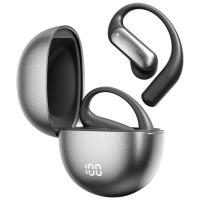
Not every earbud fits every ear. This is especially true with hard plastic earbuds that don’t use silicone tips, like classic open-style designs. They rest in the outer ear instead of sealing inside the canal. Some people can wear them all day. Others can’t keep them in for ten steps.
If open-style earbuds keep falling out, silicone covers or add-on wings may help. They add grip and slightly change the shape. Just check that they still fit in the charging case; many covers need to be removed before charging.
For in-ear wireless earbuds, the body size matters. Larger earbuds may slowly lever themselves out of smaller ears. Heavy earbuds can also loosen during running because each step creates a tiny bounce. If you’ve tried every tip size and insertion angle with no luck, the model may simply be a poor match for your ear anatomy.
Don’t ignore comfort problems
A secure earbud should not hurt. Mild pressure is normal at first if you’re trying new tips, but sharp pain, itching, or soreness means something is wrong.
Common causes include:
- Tips that are too large
- Earbuds inserted too deeply
- Hard plastic pressing against the outer ear
- Foam tips expanding too much
- Wearing earbuds for too many hours without a break
If your ears feel sore after every use, go smaller, change material, or try a different design. Secure fit is useful, but not at the cost of irritation. Irritated ears can become more sensitive over time, which makes fit problems worse.
For AirPods and similar open earbuds
Standard AirPods-style earbuds are tricky because they don’t use replaceable in-ear tips. If they fall out, your options are more limited.
You can try:
- Silicone covers for extra grip
- Ear hooks made for that specific model
- Anti-slip skins
- Adjusting the angle so the stem sits more naturally
- Keeping the earbuds and outer ear dry before use
These accessories can make a big difference, but they may interfere with charging. Many people use covers only during workouts and remove them afterward.
If you want stronger hold and better isolation, an in-ear model with silicone tips is usually easier to secure than open-style earbuds.
For running, test them before the run
Don’t discover a bad fit two miles from home. Do a quick test first.
Put the earbuds in, then:
- Walk around for a minute.
- Open and close your jaw.
- Smile or talk.
- Shake your head gently.
- Do a few light hops.
If they start creeping out during this test, they’ll almost certainly fall out during a real run. Change the tips, add wings, or adjust the angle before leaving.
For outdoor running, avoid making the seal so strong that you can’t hear traffic, bikes, or people around you. Some earbuds have transparency or ambient modes, but they vary a lot. Safety matters more than perfect noise isolation outside.
If one earbud always falls out
This is common. Ears are not perfectly symmetrical. Use different tip sizes if needed. A medium in one ear and a small or large in the other is completely normal.
Also pay attention to habits. Many people chew more on one side, sleep on one side, or have a slightly different ear canal angle from past irritation or wax buildup. If only one ear gives you trouble, don’t keep changing both sides. Fit each ear separately.
The best fix is usually a combination
For everyday use, the winning setup is often simple: the right size tip, a slight twist during insertion, and clean silicone. For workouts, add wings or switch to foam. For wired earbuds, control the cable. For open-style earbuds, use covers or accept that a different design may be better.
The main thing is to stop forcing a bad fit. Earbuds should feel settled, not wedged. Once you find the right combination, they’ll stay in with less effort, sound better, and feel more comfortable over long sessions.