What Hi Fi In Ear Headphones?
If you’re searching for “hi-fi in-ear headphones,” you’re probably not looking for just any pair of earbuds. You want something small enough to carry every day, but good enough to make music sound properly detailed, balanced, and enjoyable rather than flat or boomy. The tricky part is that “hi-fi” gets used loosely. Some brands put it on packaging because the earphones have a big driver or support a high-resolution Bluetooth codec. That doesn’t automatically mean they sound good. A genuinely good pair of in-ear headphones is about tuning, fit, driver quality, distortion control, comfort, and how well they work with your phone, music player, or DAC. I’ve used enough in-ears to say this plainly: the best-sounding pair on paper can be disappointing if the fit is poor, and a modestly priced pair with the right ear tips can outperform something far more expensive in daily use.
What “hi-fi” means in in-ear headphones
With speakers, hi-fi usually means a system that reproduces music with accuracy, scale, and low distortion. With in-ear headphones, the goal is similar, but the challenges are different. You’re putting tiny drivers inside your ears, relying on a seal to create bass, and often listening from a phone in noisy places. A good hi-fi in-ear should do a few things well: - Keep bass controlled rather than bloated - Make vocals sound natural, not thin or nasal - Reveal detail without turning sharp or tiring - Separate instruments clearly - Stay comfortable for long listening sessions - Maintain a consistent sound once properly fitted That last point matters more than many beginners expect. In-ear headphones depend heavily on the seal between the ear tip and your ear canal. If the seal breaks even slightly, bass disappears and the whole sound becomes weak. A lot of people think their new earphones have no bass, when the real problem is the tips.
Wired or wireless: which sounds better?
For pure sound quality, wired in-ear monitors still have an advantage. You don’t have to deal with Bluetooth compression, battery ageing, latency, app glitches, or connection dropouts. A decent wired IEM plugged into a good dongle DAC can sound surprisingly serious for the money.
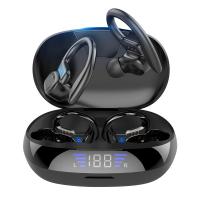
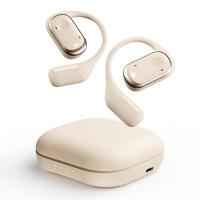
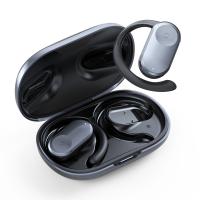
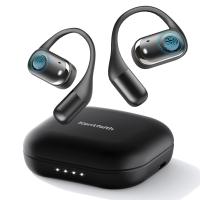
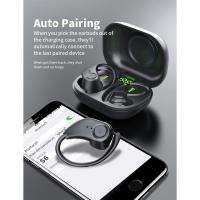
Wireless earbuds are more convenient, though, and the best ones have improved a lot. If you commute, take calls, use noise cancelling, or switch between a phone and laptop all day, a premium wireless pair may be the better real-world choice. I wouldn’t buy wired in-ears for train journeys unless you’re fine dealing with cable noise and no active noise cancellation.
The honest answer is this:
If you mostly listen at home, at a desk, or in quiet places, wired hi-fi in-ears usually give better sound per pound or dollar.
If you listen while travelling, working, walking, or taking calls, wireless earbuds are easier to live with.
Neither choice is wrong. It depends how you actually listen.
Don’t obsess over “hi-res” badges
You’ll see terms like LDAC, aptX Adaptive, 24-bit audio, high-resolution certified, planar magnetic, balanced armature, hybrid driver, and lossless playback. Some of these matter, but none guarantees a better listening experience. I’ve heard wireless earbuds with advanced codec support sound worse than basic AAC earbuds because the tuning was harsh. I’ve also heard affordable single dynamic-driver IEMs sound more natural than complicated multi-driver models. Codec support is useful if your phone supports it too. For example, LDAC can be excellent on many Android phones, but it won’t help much on an iPhone. Apple devices mainly use AAC over Bluetooth, so iPhone users are often better served by earbuds that are well tuned for AAC rather than chasing specs they can’t use. For wired earphones, driver type gets similar hype. Balanced armatures can produce excellent detail, dynamic drivers often deliver more natural bass, and planar drivers can sound fast and open. But implementation matters more than the label. A poorly tuned hybrid IEM is still poorly tuned.
The fit is half the sound
This is the least glamorous part of buying in-ears, but it’s one of the most important.
Most earphones come with silicone tips in small, medium, and large. Many people just use the medium pair already fitted and never try the others. That’s a mistake. The right tip affects bass, treble, isolation, comfort, and even stereo imaging.
If the sound is thin, try a larger tip.
If the earphones feel pressurised or uncomfortable, try a smaller tip or a different shape.
If treble sounds too bright, foam tips may soften the top end a little.
If bass is too heavy, a shallower fit or narrower tip change can help.
Foam tips are useful for isolation, especially on flights or public transport, but they wear out faster and can slightly dull the sound. Silicone tips last longer and feel cleaner, though they may not isolate as well. Some aftermarket tips can transform a pair of IEMs, but don’t assume expensive tips are always better. Fit beats price.
If you can try a pair before buying, use music you know well. Don’t use a random demo playlist full of impressive bass drops and polished acoustic tracks. Use songs where you already know how the vocals, drums, and instruments should feel. Listen for vocals first. If voices sound convincing, the earphones are probably tuned sensibly through the midrange. If vocals are pushed too far back, the earphones may have a “V-shaped” sound: big bass, bright treble, recessed mids. That can be fun for short sessions but tiring or unsatisfying over time. Then check bass. Good bass should have texture, not just quantity. You should be able to hear the difference between an electric bass guitar, a kick drum, and electronic sub-bass. If everything becomes one thick thump, the bass is masking detail. Treble is where many “detailed” earphones become annoying. Extra brightness can make a shop demo sound exciting, but after an hour it may turn cymbals splashy and vocals sibilant. If “s” sounds in vocals jump out aggressively, be careful. Soundstage is harder with in-ears than with over-ear headphones. Don’t expect speaker-like space. Good IEMs can still give a convincing sense of placement, but anyone promising huge room-filling scale from tiny earbuds is overselling it.
Wireless earbuds often rely on active noise cancellation. Wired IEMs usually rely on passive isolation from the seal. Both can work well, but they behave differently. Active noise cancellation is best for steady low-frequency sounds: train rumble, aircraft engines, air conditioning, traffic drone. It’s less effective against sudden voices, keyboard clicks, or clattering dishes. Passive isolation blocks sound physically. Deep-fitting IEMs with foam tips can reduce a surprising amount of outside noise without needing batteries. Musicians use this approach on stage because it’s predictable and doesn’t add electronic processing. For office use, strong noise cancelling can be convenient. For sound quality in a quiet room, you may prefer turning ANC off if the earbuds allow it, because some models sound slightly cleaner without processing.
For wired in-ear headphones, a small USB-C or Lightning dongle DAC is often enough. You don’t need a large desktop amplifier for most IEMs. In fact, very sensitive in-ears can hiss with powerful amps if the noise floor is too high. Apple’s basic USB-C or Lightning dongle is perfectly respectable for many users. There are better dongles if you want more power, balanced outputs, or cleaner measurements, but don’t feel forced to buy a stack of gear just to enjoy IEMs. The bigger issue is output impedance and background hiss. Some budget adapters produce audible noise with sensitive earphones. If you hear hiss during quiet passages, the earphones may not be faulty; the source may simply be noisy.
There are very capable wired IEMs at low prices now. You don’t have to spend flagship money to get clean, enjoyable sound. The affordable IEM market has improved dramatically, especially from specialist Chinese brands. The downside is that quality control, accessories, and long-term support can vary. Around the entry level, you can get a lively, detailed sound, but build quality and cable comfort may be basic. Spend a little more and you usually get better shells, improved tuning, detachable cables, and a more refined sound. Higher-end models can bring better separation, smoother treble, stronger technical performance, and nicer materials, but returns diminish quickly. Wireless earbuds are different. More money often buys better noise cancelling, microphones, app support, battery performance, and device integration, not just better sound. A mid-priced wired IEM can easily beat expensive wireless earbuds for music quality in a quiet room, but it won’t answer calls or cancel train noise.
The first mistake is buying purely from a frequency graph. Measurements are useful, especially for spotting extreme tuning, but they don’t tell you everything about comfort, fit, distortion, timbre, or how the earphones behave with your ears. The second is assuming more drivers means better sound. Some of the most coherent in-ears use a single well-tuned dynamic driver. Multi-driver setups can be excellent, but they can also sound uneven if the crossover isn’t handled well. The third is ignoring comfort. If a shell is too large, has sharp edges, or creates pressure after 30 minutes, you won’t use it no matter how impressive it sounds. Comfort is not a minor feature with in-ears; it decides whether they become daily companions or sit in a drawer. The fourth is choosing the most exciting sound after a two-minute listen. Big bass and sharp treble impress quickly. Balanced tuning ages better.
For someone who wants the best sound for the least money, I’d start with wired IEMs and a decent dongle. Keep the setup simple, try different ear tips, and avoid chasing upgrades too quickly. For an iPhone user who wants convenience, I’d lean toward well-reviewed wireless earbuds with strong AAC performance, good ANC, and reliable controls rather than worrying about hi-res codecs. For Android users who care about wireless sound, look for earbuds with LDAC or aptX Adaptive, but still read listening impressions carefully. Codec support only helps if the earbud itself is tuned well. For commuting, comfort, noise control, and call quality matter almost as much as sound. For home listening, you can prioritise tonal balance, detail, and long-session comfort. The best hi-fi in-ear headphones are not always the most expensive or the most heavily advertised. They’re the ones that fit your ears properly, suit your listening habits, and make your music feel natural enough that you stop analysing and keep listening.