Smartwatch That Can Monitor Blood Pressure?
Can a smartwatch really monitor blood pressure?
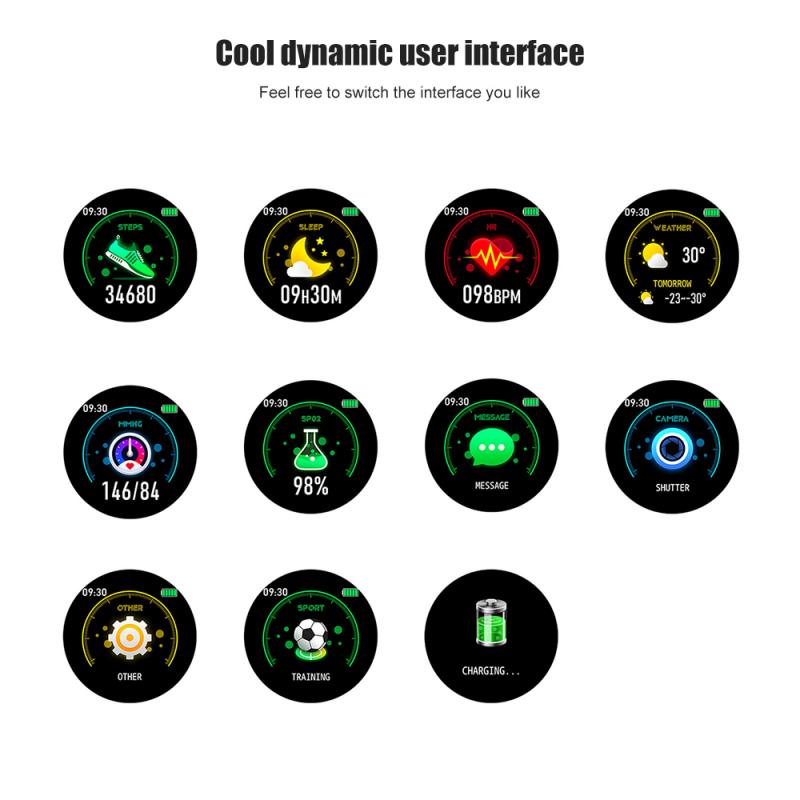
Yes, but with a big caveat: most smartwatches that claim to monitor blood pressure are not the same as a proper upper-arm blood pressure cuff.
This is where many buyers get caught out. A watch may show a blood pressure reading on the screen, but that does not automatically mean it is medically reliable, clinically validated, or suitable for managing hypertension. Some watches estimate blood pressure using optical sensors. Some require calibration with a traditional cuff. A few use an actual inflatable cuff built into the strap. Those differences matter a lot.
If you are looking for a smartwatch because your doctor told you to track your blood pressure, the safest approach is still to use a validated upper-arm cuff at home and treat the watch as a convenience tool, not the final authority.
The main types of blood pressure smartwatches
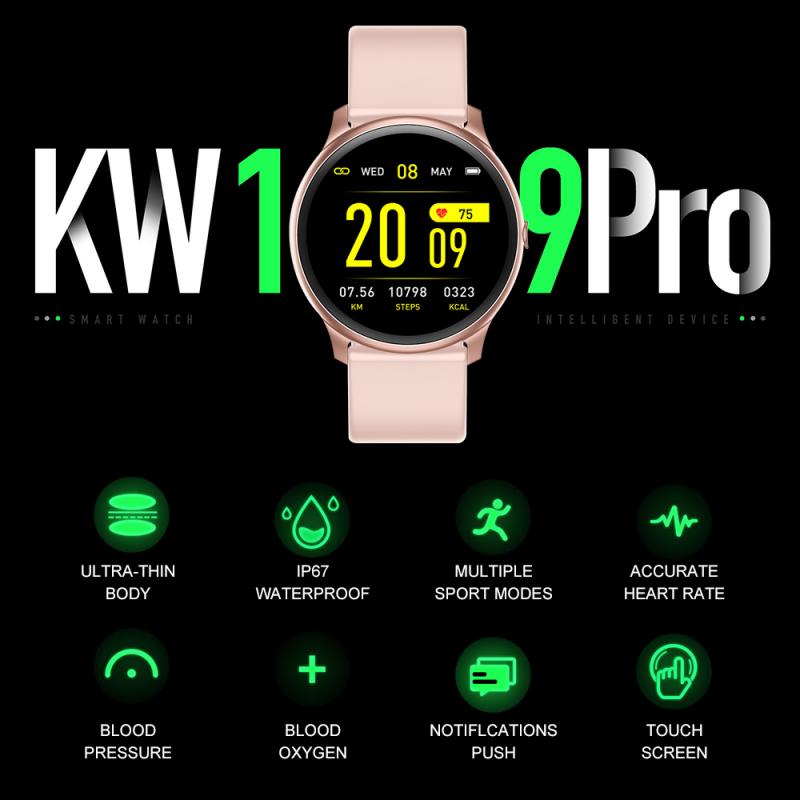
There are three broad categories you will run into.
Watches with an inflatable cuff
These are the closest thing to a traditional blood pressure monitor. Instead of estimating pressure from light sensors, they physically inflate around your wrist and measure pressure in a way that is more comparable to a wrist blood pressure monitor.
The best-known example is the Omron HeartGuide. Omron has a long history in home blood pressure monitors, and the HeartGuide was one of the first serious attempts to put cuff-based blood pressure measurement into a watch-style device.
The upside is obvious: it is far more purpose-built than a generic fitness watch with a blood pressure feature added on. The downside is that it is bulkier than a normal smartwatch, the strap fit matters a great deal, and it is not something most people would choose purely for style or everyday smartwatch features.
If blood pressure is the main reason you want the device, this is the type I would look at first.
Watches that estimate blood pressure using sensors
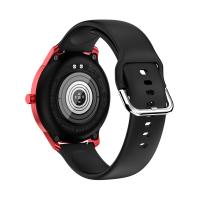
Many smartwatches use optical heart-rate sensors on the back of the watch and software algorithms to estimate blood pressure. These devices may look sleek and may offer lots of other features: step tracking, sleep tracking, workouts, heart rate, notifications, and sometimes ECG.
The problem is that cuffless blood pressure estimation is hard. Blood pressure changes based on stress, caffeine, posture, exercise, sleep, medication timing, hydration, and even how tightly the watch sits on your wrist. A green LED sensor on the wrist is already working in a difficult environment; adding blood pressure estimation makes it even trickier.
Some watches require you to calibrate the reading with a traditional blood pressure cuff every few weeks. If you skip calibration, readings can drift. If you calibrate badly — for example, right after walking upstairs or while sitting with poor posture — the watch may start from a flawed baseline.
These watches can be useful for spotting trends, but I would not rely on them alone if medication decisions are involved.
Cheap watches with “blood pressure” as a selling point
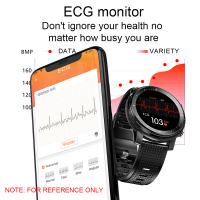
This is the category to be most careful with. You will find many low-cost smartwatches online that advertise blood pressure monitoring, blood oxygen, ECG, glucose, and every health feature imaginable for a surprisingly low price.
In practice, many of these readings are rough estimates at best. Some produce numbers that look believable but do not respond properly to real changes. A common giveaway is when the blood pressure reading stays oddly normal even after exercise, stress, or repeated measurements.
That does not mean every affordable watch is useless. Many are fine for steps, notifications, and basic heart-rate tracking. But if blood pressure is the reason you are buying, a bargain watch with vague health claims is a risky purchase.
Why wrist blood pressure is harder than people expect
Blood pressure is usually measured at the upper arm for a reason. The cuff sits near the brachial artery, and the arm can be positioned at heart level more consistently.
The wrist is less forgiving. A small change in position can alter the reading. If your wrist is below heart level, the number may appear higher. If it is above heart level, it may appear lower. Cold hands, a loose strap, movement, or tension in your arm can also interfere.
This is why wrist monitors often come with strict instructions: sit still, support your arm, keep the device at heart height, avoid talking, rest for several minutes first. A smartwatch does not magically avoid those rules just because it is more convenient.
In real life, people take watch readings while standing in the kitchen, sitting at a desk, walking around, or after checking a stressful email. Those readings may be interesting, but they are not the same as a proper resting blood pressure measurement.
Smartwatches worth considering for blood pressure tracking
The right choice depends on what you expect from the device.
If your priority is blood pressure accuracy, look at a cuff-based wearable from a reputable medical device company, such as Omron. It will not feel like a normal Apple Watch or Galaxy Watch, but it is designed around blood pressure rather than treating it as a side feature.
If your priority is a full smartwatch with some blood pressure capability, Samsung Galaxy Watch models in some regions support blood pressure monitoring through the Samsung Health Monitor app. These typically require calibration with a traditional cuff. Availability depends on country, phone compatibility, and local regulatory approval, so check before buying. One frustrating detail: features may be advertised broadly, but not actually enabled where you live.
If you use an iPhone, be aware that the Apple Watch does not currently provide direct blood pressure readings. It can track heart rate, irregular rhythm notifications, ECG on supported models, blood oxygen on certain models depending on region and availability, sleep, fitness, and other health metrics, but not a standard systolic/diastolic blood pressure measurement. There are third-party cuffs and apps that sync with Apple Health, which is often the better route for iPhone users who need dependable BP logs.
If you mainly want general wellness tracking, a mainstream smartwatch plus a separate validated upper-arm cuff is usually the most practical combination. You get good daily health tracking from the watch and more trustworthy blood pressure numbers from the cuff.
What to check before buying
Do not judge a blood pressure smartwatch by the product page alone. Look for the details that actually affect daily use.
First, check whether the device is clinically validated or cleared by a recognized regulator in your country. Marketing language can be slippery. “Health monitoring” and “advanced sensors” do not mean the same thing as validated blood pressure measurement.
Second, check whether it needs calibration with a cuff. Calibration is not necessarily bad, but you need to be willing to do it correctly and repeat it when required. If you do not already own a decent blood pressure cuff, add that cost to the watch.
Third, look at phone compatibility. Some health features only work with specific phones. Samsung’s advanced health features, for example, have historically worked best within Samsung’s own ecosystem. Apple Watch requires an iPhone. Cheap watches may have apps that are poorly maintained or unclear about data handling.
Fourth, consider comfort and strap fit. Blood pressure measurement depends on good contact and consistent positioning. If the watch is too loose, too tight, or uncomfortable enough that you stop wearing it, the feature becomes pointless.
Fifth, think about data export and sharing. If you are tracking blood pressure for a doctor, screenshots are annoying. A good app should make it easy to review trends, dates, times, and ideally export or share readings.
How to get better readings from a smartwatch
If your watch measures blood pressure, treat the reading process more like using a cuff and less like checking the time.
Sit down and rest for five minutes. Keep your feet flat on the floor. Do not talk during the measurement. Keep the watch at heart level if the manufacturer recommends it. Make sure the strap is snug but not cutting into your wrist. Avoid measuring right after coffee, exercise, nicotine, a shower, or a stressful moment unless you are intentionally checking how your body responds.
Take readings at consistent times. Morning and evening are common choices, especially before medication changes or doctor visits. One random reading after a bad meeting does not tell the whole story.
Also, do not obsess over a single number. Blood pressure naturally moves around during the day. Patterns matter more than one isolated reading. If your watch keeps showing high readings, confirm them with a proper cuff and speak with a healthcare professional.
What a smartwatch is good for — and what it is not
A smartwatch can be helpful if it makes you more aware of your health habits. You may notice your blood pressure tends to run higher after poor sleep, heavy meals, alcohol, stress, or skipped exercise. That kind of pattern recognition can be genuinely useful.
It can also help with consistency. People often stop using home cuffs because the device sits in a drawer. A watch is already on your wrist, so you may be more likely to check regularly.
But a smartwatch should not be used to self-diagnose hypertension, adjust medication, or ignore symptoms. If you have chest pain, shortness of breath, fainting, severe headache, weakness on one side, or sudden vision problems, do not sit there comparing smartwatch readings. Get medical help.
For people with known hypertension, heart disease, kidney disease, diabetes, pregnancy-related blood pressure concerns, or medication changes, a validated upper-arm cuff is still the tool I would trust most at home.
The most practical setup for most people
For most buyers, the best setup is not a single miracle watch. It is a good smartwatch for daily health tracking plus a validated upper-arm blood pressure monitor for accurate readings.
Use the watch for heart rate, activity, sleep, reminders, and general trends. Use the cuff for proper blood pressure logs. If the watch supports blood pressure and is validated or properly calibrated, treat it as an extra layer of convenience rather than a replacement.
If you want the watch specifically because you dislike using a cuff, choose carefully. A device with an actual cuff mechanism is more convincing than a stylish watch making cuffless estimates. If you mainly want a smartwatch and blood pressure is just a nice bonus, be realistic about what the feature can and cannot do.
The short version: smartwatches can monitor blood pressure, but not all of them do it well. Look past the marketing, check validation and calibration requirements, and keep a proper cuff involved if the numbers matter for your health.