Smart Watches That Can Measure Blood Pressure?
Smartwatches have become an essential part of modern life, offering a wide range of features that go beyond simply telling the time. Among these features, health monitoring capabilities have gained significant attention, with blood pressure measurement being one of the most sought-after functionalities. For individuals who want to keep track of their cardiovascular health conveniently, smartwatches with blood pressure monitoring are a game-changer. In this article, we’ll explore the key aspects of smartwatches that can measure blood pressure, how they work, their accuracy, and what to consider when choosing one.
How Do Smartwatches Measure Blood Pressure?
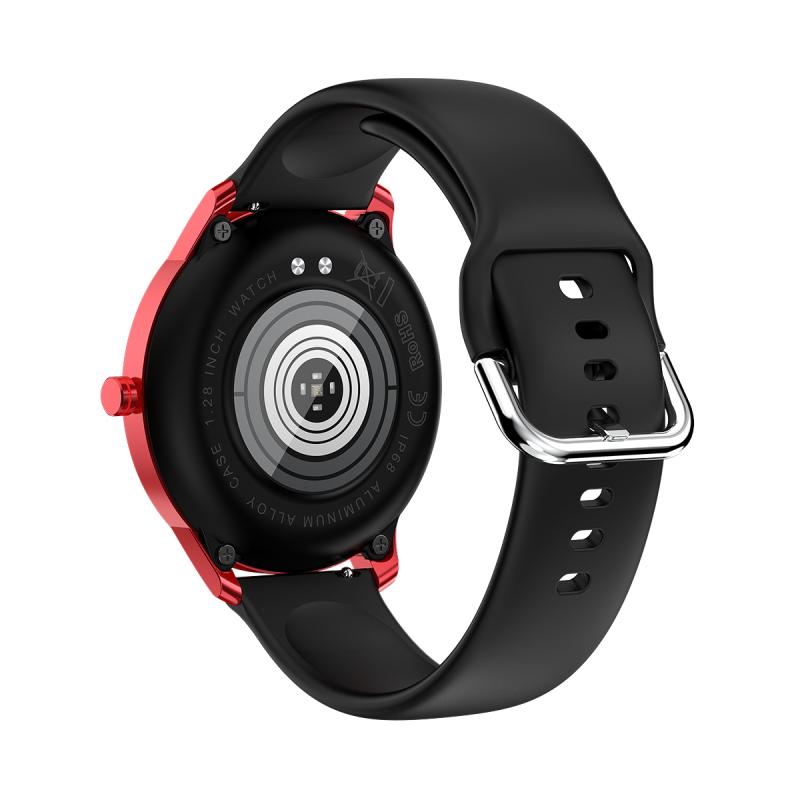
Smartwatches that measure blood pressure typically use one of two methods: optical sensors or inflatable cuffs.
1. Optical Sensors (PPG Technology):
Many smartwatches use photoplethysmography (PPG) technology, which involves shining light onto the skin and measuring the changes in light absorption caused by blood flow. By analyzing these changes, the smartwatch can estimate blood pressure. This method is non-invasive and convenient, but it often requires calibration with a traditional blood pressure monitor to ensure accuracy.
2. Inflatable Cuffs:
Some smartwatches come with a built-in inflatable cuff, similar to traditional blood pressure monitors. These devices provide more accurate readings but are bulkier and less common. They are ideal for users who prioritize precision over convenience.
Accuracy of Blood Pressure Monitoring in Smartwatches
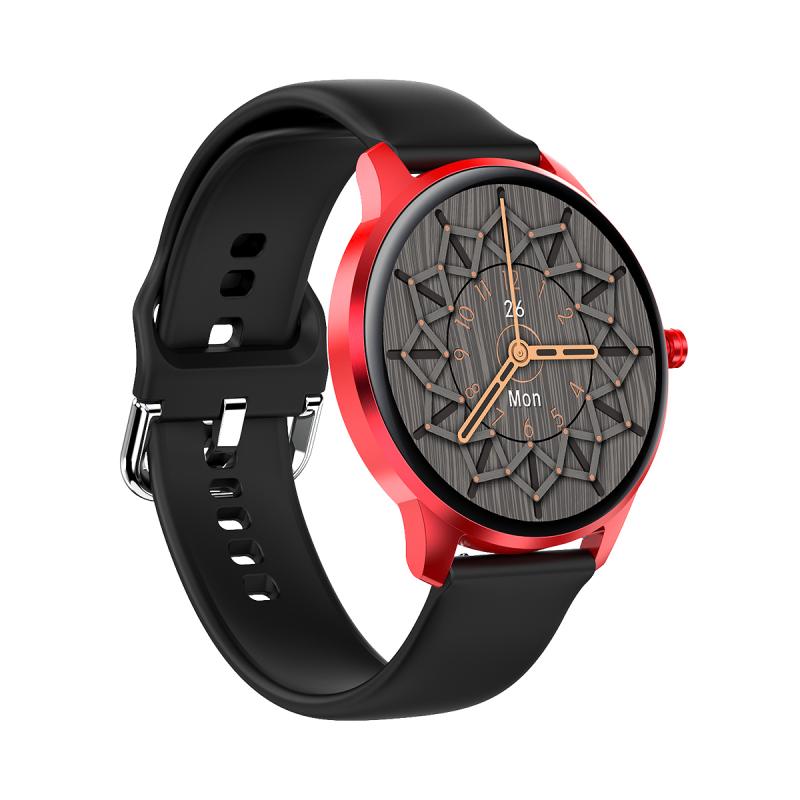
One of the most common questions about smartwatches with blood pressure monitoring is their accuracy. While these devices are improving, they are not yet a replacement for medical-grade equipment. Factors such as wrist positioning, skin tone, movement, and calibration can affect the readings. For the most reliable results, users should:
- Follow the manufacturer’s instructions for calibration.
- Remain still and relaxed during measurements.
- Take multiple readings and calculate an average.
It’s important to note that smartwatches are best used as a supplementary tool for tracking trends over time rather than diagnosing or managing medical conditions.
Benefits of Blood Pressure Monitoring Smartwatches
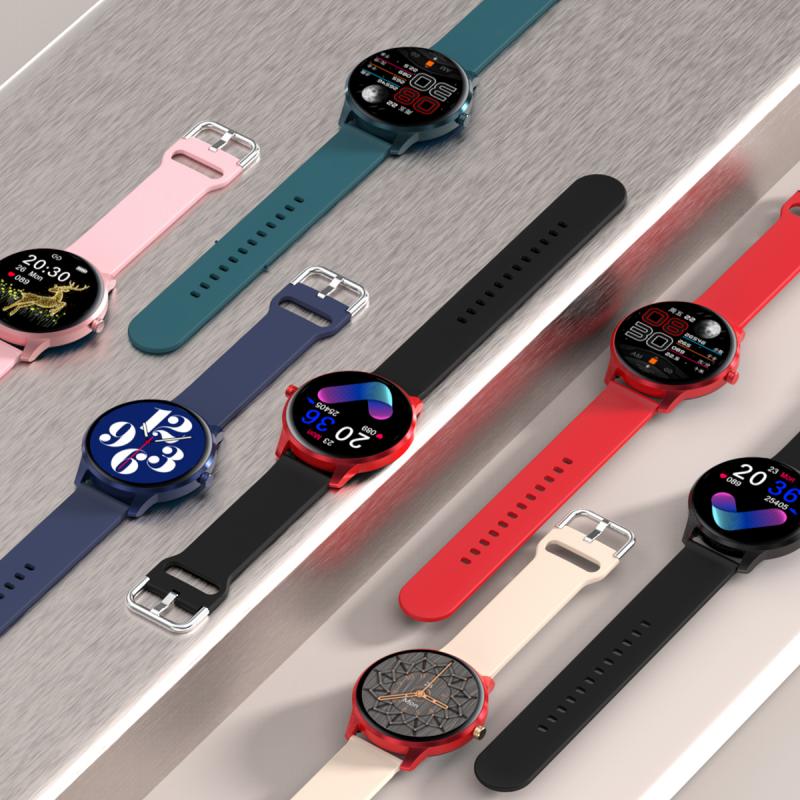
1. Convenience:
Smartwatches allow users to measure their blood pressure anytime and anywhere without the need for bulky equipment. This is particularly useful for individuals with busy lifestyles or those who need to monitor their blood pressure frequently.
2. Early Detection:
Regular monitoring can help users identify trends and detect potential issues early, prompting them to seek medical advice before problems escalate.
3. Integration with Other Health Metrics:
Many smartwatches also track heart rate, sleep patterns, physical activity, and stress levels. This holistic approach provides a more comprehensive view of overall health.
4. Motivation for a Healthier Lifestyle:
Seeing real-time data can motivate users to make healthier choices, such as exercising more, eating better, or managing stress.
Key Features to Look for in a Blood Pressure Monitoring Smartwatch
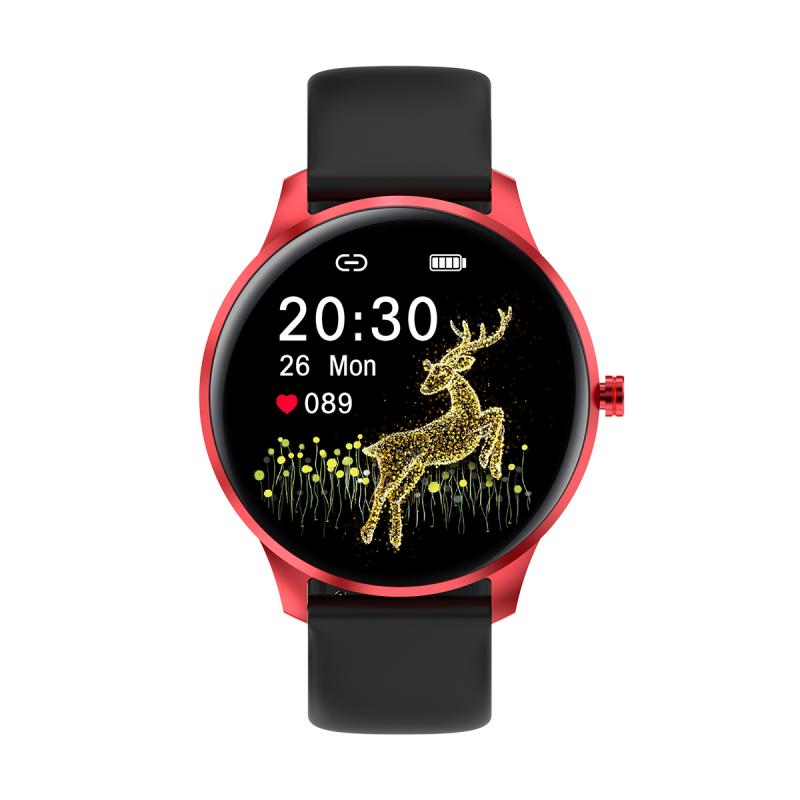
When choosing a smartwatch with blood pressure monitoring, consider the following features:
1. Accuracy and Calibration:
Look for devices that offer reliable readings and easy calibration with a traditional blood pressure monitor.
2. Battery Life:
Blood pressure monitoring can drain the battery quickly, so choose a smartwatch with a long-lasting battery.
3. Ease of Use:
The device should be user-friendly, with clear instructions and an intuitive interface.
4. Compatibility:
Ensure the smartwatch is compatible with your smartphone and any health apps you use.
5. Additional Health Features:
Consider whether the smartwatch offers other health monitoring features, such as heart rate tracking, ECG, or sleep analysis.
6. Design and Comfort:
Since you’ll likely wear the smartwatch for extended periods, it should be comfortable and stylish.
7. Price:
Blood pressure monitoring smartwatches are available at various price points. Determine your budget and look for a device that offers the best value for money.
Popular Smartwatches with Blood Pressure Monitoring
Several brands have introduced smartwatches with blood pressure monitoring capabilities. Here are a few popular options:
1. Samsung Galaxy Watch Series:
Samsung’s Galaxy Watch models, such as the Galaxy Watch 4 and 5, offer blood pressure monitoring using PPG technology. They require periodic calibration with a traditional blood pressure monitor and are known for their sleek design and comprehensive health features.
2. Amazfit Smartwatches:
Amazfit offers affordable options with blood pressure monitoring, making them a good choice for budget-conscious users. These devices also include other health tracking features like heart rate and sleep monitoring.
3. Omron HeartGuide:
The Omron HeartGuide is a medical-grade smartwatch with an inflatable cuff for accurate blood pressure readings. While it’s bulkier and more expensive, it’s ideal for users who prioritize precision.
4. Fitbit Sense:
Fitbit Sense includes advanced health monitoring features, including blood pressure estimation. It also tracks stress levels, heart rate, and sleep patterns, making it a versatile option.
5. Huawei Watch D:
The Huawei Watch D features a miniaturized inflatable cuff for accurate blood pressure measurements. It’s a great choice for users who want a balance between accuracy and convenience.
Limitations and Considerations
While blood pressure monitoring smartwatches offer numerous benefits, they also have limitations:
1. Not a Replacement for Medical Devices:
These devices are not as accurate as medical-grade blood pressure monitors and should not be used for diagnosis or treatment.
2. Calibration Requirements:
Many smartwatches require regular calibration with a traditional blood pressure monitor, which can be inconvenient.
3. Limited Availability:
Some models are not available in all regions due to regulatory restrictions.
4. Cost:
High-quality blood pressure monitoring smartwatches can be expensive, and not all users may find them affordable.
5. Learning Curve:
Some users may find it challenging to use the device correctly, leading to inaccurate readings.
Practical Tips for Using a Blood Pressure Monitoring Smartwatch
To get the most out of your smartwatch, follow these tips:
1. Calibrate Regularly:
If your smartwatch requires calibration, do it as often as recommended by the manufacturer.
2. Measure at the Same Time Daily:
Blood pressure can vary throughout the day, so take measurements at the same time each day for consistency.
3. Stay Still During Measurements:
Movement can affect the accuracy of readings, so remain still and relaxed.
4. Use as a Supplement:
Use the smartwatch to track trends and share the data with your healthcare provider, but rely on medical-grade equipment for critical measurements.
5. Keep the Device Updated:
Regularly update the smartwatch’s firmware to ensure you have the latest features and improvements.
The Future of Blood Pressure Monitoring Smartwatches
As technology advances, we can expect blood pressure monitoring smartwatches to become more accurate, affordable, and widely available. Innovations in sensor technology, artificial intelligence, and data analysis will likely improve the reliability of these devices, making them an even more valuable tool for health monitoring.
Smartwatches with blood pressure monitoring are a convenient and innovative way to keep track of your cardiovascular health. While they are not a replacement for medical-grade equipment, they offer valuable insights into your health trends and can motivate you to make positive lifestyle changes. When choosing a smartwatch, consider factors such as accuracy, ease of use, battery life, and additional features to find the best device for your needs. By using these devices responsibly and in conjunction with professional medical advice, you can take a proactive approach to your health and well-being.