How To Choose The Best Digital Camera?
How to Choose the Best Digital Camera: A Comprehensive Guide
In today’s world, where capturing moments has become an integral part of our lives, choosing the right digital camera can be a daunting task. With the plethora of options available in the market, each boasting unique features and specifications, it’s easy to feel overwhelmed. Whether you’re a professional photographer, a hobbyist, or someone who simply wants to take better pictures than what your smartphone can offer, this guide will help you navigate the decision-making process and choose the best digital camera for your needs.
1. Understand Your Purpose and Skill Level

The first step in choosing the best digital camera is to identify your purpose and assess your skill level. Are you looking for a camera to capture family vacations, or are you planning to delve into professional photography? Your needs will determine the type of camera you should consider.
- For Beginners: If you’re new to photography, a compact point-and-shoot camera or an entry-level mirrorless camera might be the best choice. These cameras are user-friendly, lightweight, and often come with automatic settings that make photography simple.
- For Enthusiasts: If you have some experience and want more control over your photos, consider a mid-range DSLR or mirrorless camera. These cameras offer manual settings, interchangeable lenses, and better image quality.
- For Professionals: If you’re a professional or aspire to be one, high-end DSLRs or mirrorless cameras with advanced features, full-frame sensors, and robust build quality are ideal.
By understanding your purpose and skill level, you can narrow down your options and focus on cameras that align with your goals.
---
2. Decide on the Camera Type
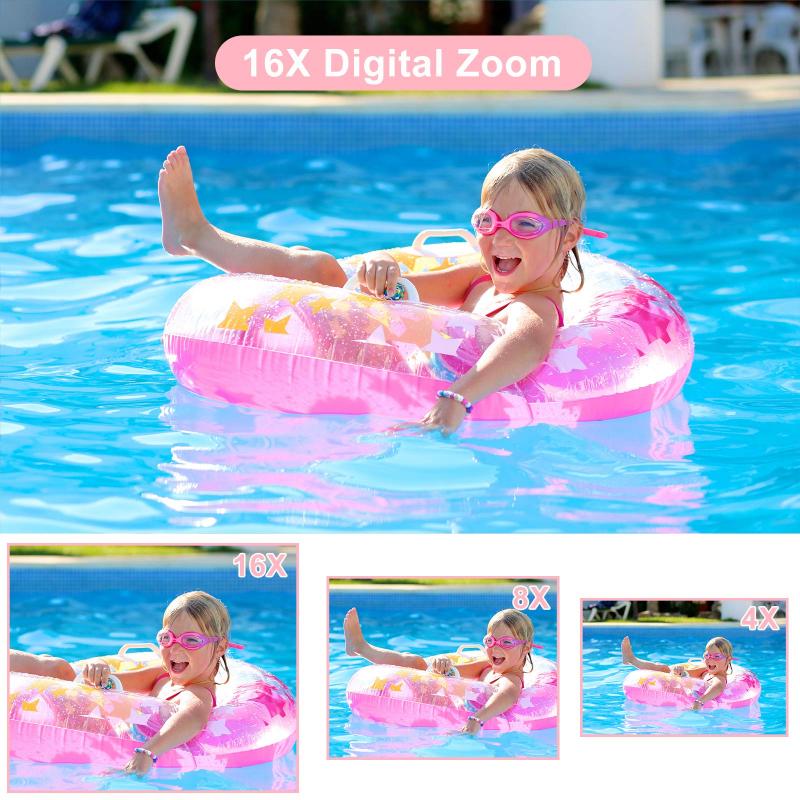
Digital cameras come in various types, each suited for different needs. Here’s a breakdown of the most common types:
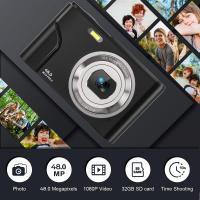
- Point-and-Shoot Cameras: Compact and easy to use, these cameras are perfect for casual photography. They’re portable and often come with built-in zoom lenses, but they lack the advanced features of DSLRs or mirrorless cameras.
- DSLR Cameras: Digital Single-Lens Reflex (DSLR) cameras are known for their versatility and image quality. They offer interchangeable lenses, optical viewfinders, and manual controls, making them a favorite among professionals and enthusiasts.
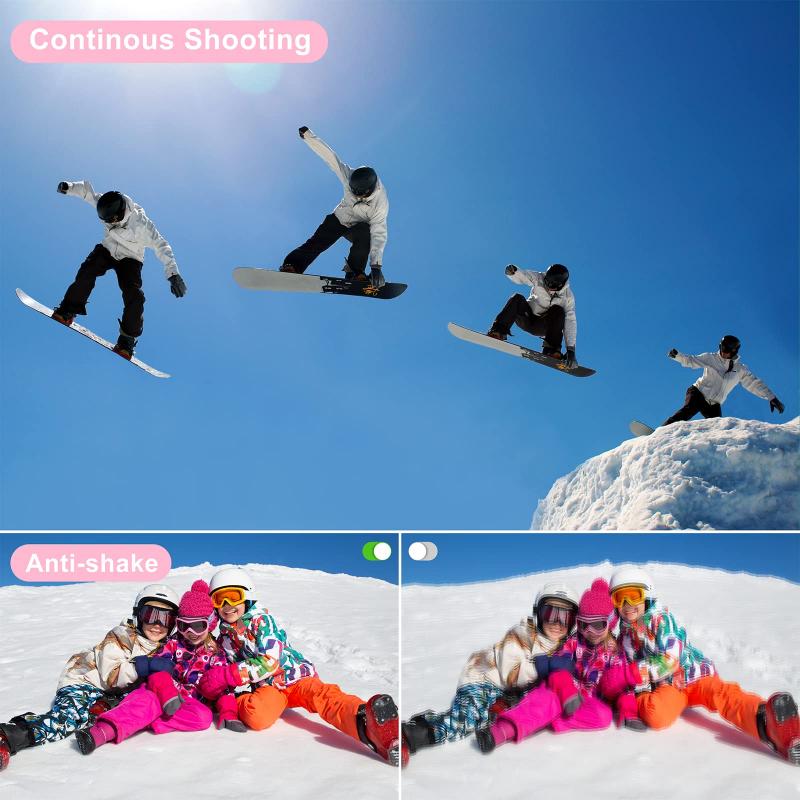
- Mirrorless Cameras: These cameras are similar to DSLRs but lack the mirror mechanism, making them lighter and more compact. They offer excellent image quality, interchangeable lenses, and advanced features.
- Bridge Cameras: A hybrid between point-and-shoot and DSLR cameras, bridge cameras offer long zoom ranges and manual controls. They’re a good option for those who want more than a compact camera but don’t need the complexity of a DSLR.
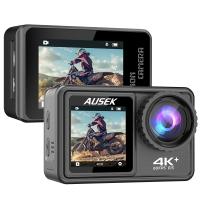
- Action Cameras: Designed for adventure enthusiasts, action cameras like GoPros are small, rugged, and waterproof. They’re ideal for capturing high-quality videos and photos in extreme conditions.
- Instant Cameras: If you love the nostalgia of physical prints, instant cameras like Polaroid or Fujifilm Instax are a fun choice.
Choosing the right type of camera depends on your specific needs, preferences, and how you plan to use it.
---
3. Consider the Sensor Size

The sensor is the heart of a digital camera, and its size plays a crucial role in image quality. Larger sensors capture more light, resulting in better image quality, especially in low-light conditions. Here are the most common sensor sizes:
- Full-Frame Sensors: Found in high-end DSLRs and mirrorless cameras, full-frame sensors offer the best image quality and are ideal for professional photography.
- APS-C Sensors: Slightly smaller than full-frame sensors, APS-C sensors are common in mid-range DSLRs and mirrorless cameras. They provide excellent image quality at a more affordable price.
- Micro Four Thirds Sensors: These sensors are smaller than APS-C but still deliver good image quality. They’re commonly found in compact mirrorless cameras.
- 1-Inch Sensors: Found in premium compact cameras, 1-inch sensors offer better image quality than standard point-and-shoot cameras.
- Smaller Sensors: Compact and bridge cameras often have smaller sensors, which are sufficient for casual photography but may struggle in low-light conditions.
When choosing a camera, consider the sensor size based on your image quality requirements and budget.
---
4. Evaluate Key Features
Modern digital cameras come with a wide range of features, and understanding them can help you make an informed decision. Here are some key features to consider:
- Megapixels (MP): While megapixels are important, they’re not the sole determinant of image quality. For most users, a camera with 16-24 MP is sufficient.
- Lens Options: If you’re opting for a DSLR or mirrorless camera, consider the availability and cost of lenses. Interchangeable lenses allow you to adapt your camera to different shooting scenarios.
- Autofocus System: A fast and accurate autofocus system is essential, especially for action or wildlife photography.
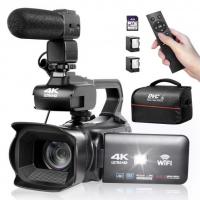
- Video Capabilities: If you plan to shoot videos, look for cameras that offer 4K or higher resolution, along with features like image stabilization and external microphone support.
- Connectivity: Features like Wi-Fi, Bluetooth, and NFC allow you to transfer photos to your smartphone or computer easily.
- Battery Life: Consider the battery life, especially if you plan to use the camera for extended periods.
- Weather Sealing: If you’ll be shooting in challenging environments, look for cameras with weather-sealed bodies.
By evaluating these features, you can find a camera that meets your specific needs.
---
5. Set a Budget
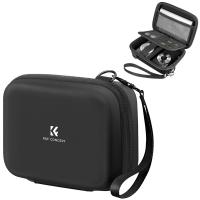
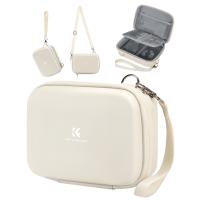
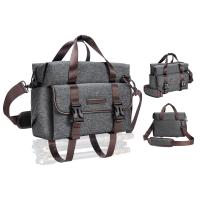
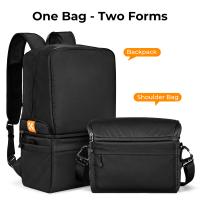
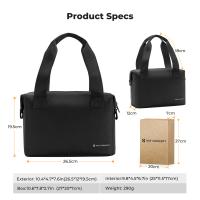
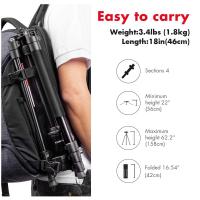
Digital cameras come in a wide price range, from under $200 to several thousand dollars. Setting a budget will help you narrow down your options and avoid overspending. Keep in mind that you may also need to invest in accessories like lenses, memory cards, tripods, and camera bags.
- Entry-Level Cameras: $200-$600
- Mid-Range Cameras: $600-$1,500
- High-End Cameras: $1,500 and above
While it’s tempting to go for the most expensive camera, remember that the best camera is the one that suits your needs and skill level.
---
6. Test Before You Buy
If possible, visit a camera store and test the models you’re considering. Pay attention to how the camera feels in your hands, the layout of the controls, and the responsiveness of the interface. A camera that feels comfortable and intuitive to use will enhance your photography experience.
---
7. Read Reviews and Seek Recommendations
Before making a final decision, read reviews from trusted sources and watch video reviews to get a better understanding of the camera’s performance. You can also seek recommendations from friends, family, or online photography communities.
---
8. Think About the Future
When choosing a camera, consider your long-term goals. If you plan to grow as a photographer, invest in a system that allows for expansion, such as a DSLR or mirrorless camera with a wide range of lenses and accessories.
---
Choosing the best digital camera requires careful consideration of your needs, skill level, and budget. By understanding the different types of cameras, evaluating key features, and testing models before you buy, you can find a camera that not only meets your current requirements but also supports your growth as a photographer. Remember, the best camera is the one that inspires you to capture the world around you and helps you tell your unique story. Happy shooting!