How To Borescope An Engine?
what is an engine borescope?
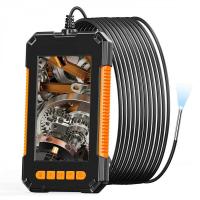
an engine borescope is a specialized inspection tool used to examine the internal components of engines without disassembling them. it consists of a long, flexible tube with a camera or optical lens at one end and an eyepiece or monitor at the other. the borescope is inserted into small openings or bores in the engine, allowing technicians to inspect areas like cylinders, valves, and combustion chambers for signs of wear, damage, or debris. this non-invasive method is essential for maintaining engine health, identifying potential issues, and ensuring optimal performance.

the camera for checking engines
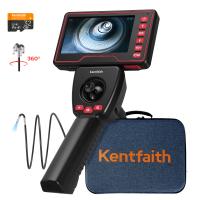
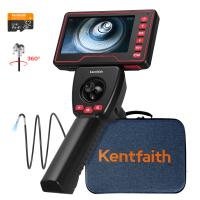
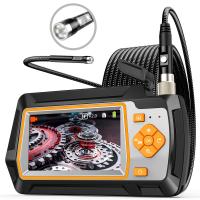
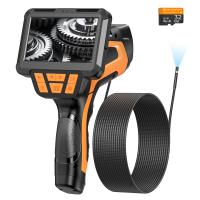
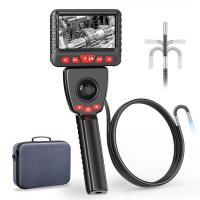
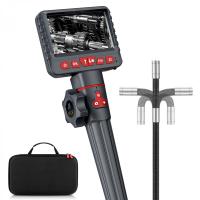
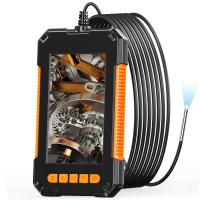
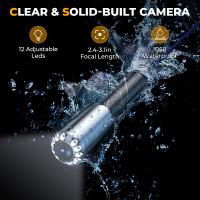
the camera used for checking engines is typically referred to as an engine borescope, but sometimes also an inspection camera. this specialized tool is designed to inspect the internal components of an engine without needing to disassemble it. the borescope engine features a small camera attached to a flexible or rigid tube that can be inserted into engine cylinders, valves, and other tight spaces. it provides a clear view of the engine's interior, allowing technicians to check for wear, damage, or other issues. some engine borescopes also come with a light source and a monitor for real-time viewing and recording.
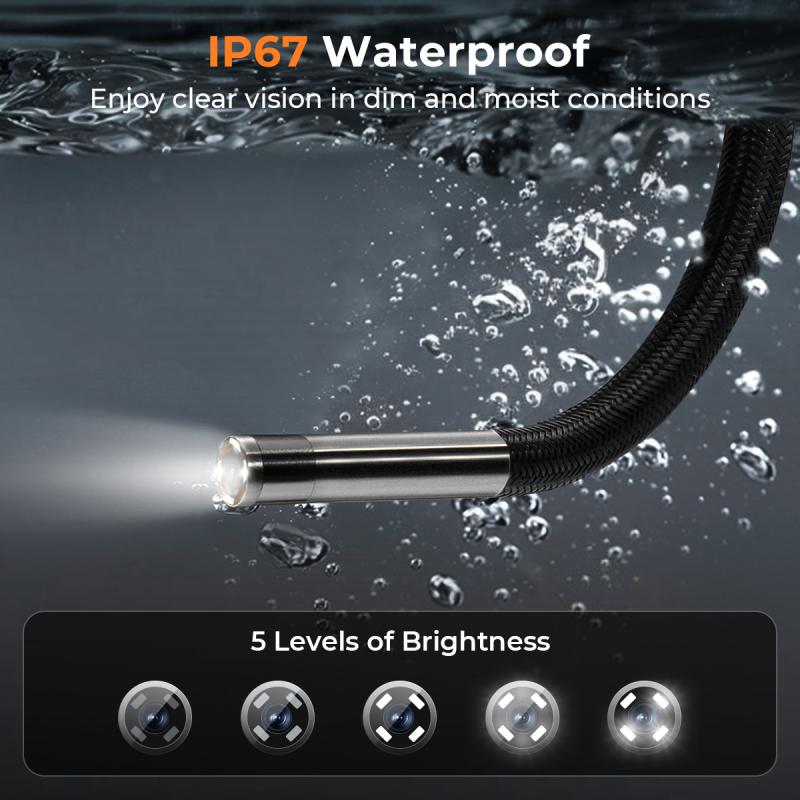
the tool used for the internal inspection of an engine
the tool used for the internal inspection of an engine is called a borescope for engines. this device allows technicians to visually examine the internal components of an engine, such as cylinders and valves, without having to disassemble it. the engine borescope has a small camera on a flexible or rigid tube that can be inserted into small openings, providing a clear view of the engine's interior to check for wear, damage, or debris.
borescope and inspection camera
a borescope and an inspection camera are both tools used for visual inspections in hard-to-reach areas, but they differ in design and application.

how to inspect a car engine using a borescope
inspecting a car engine using a borescope engine involves several steps:
what to look for during your engine inspection with a borescope
during an engine borescope inspection, look for the following key issues:
using an engine borescope for automotive engine inspections
automotive engine borescope inspection is an efficient method for identifying issues inside an engine. with engine inspection cameras, technicians can access difficult-to-reach areas within the engine, inspect the parts thoroughly, and document any findings. the flexibility of engine borescopes ensures a thorough check of all internal engine components, without the need for disassembly, saving time and minimizing risk.
borescope images and cylinder condition
a borescope is a long, tubular, precision optical instrument, with built-in illumination, designed to allow remote visual inspections of internal surfaces or otherwise inaccessible areas. borescopes allow us to see areas we otherwise have no access to inspect and create a digital history, allowing comparisons to be made as conditions change.
tcm’s service bulletin sb03-3 explains, “the purpose of the borescope cylinder inspection is to provide a visual method of examining the internal cylinder components and must be used in conjunction with the differential (compression) pressure test.”
because valves have a life cycle, and the end of that life cycle can be expensive or dangerous, borescoping permits an owner to intervene to take a valve out of service or lap it at the right moment. such timing avoids the financial risk of taking an acceptable cylinder out of service too early, or the risk of flying on a cylinder near destruction. early detection of valve issues changes the way we maintain cylinders and allows us to take corrective action before the valve becomes unairworthy.
uneven heat signatures appearing on valves will occur well before compression drops off, so compressions tests are not necessarily an accurate measure of cylinder health. because cylinder compression numbers can vary widely for many reasons, some ga industry experts suggest borescope images are a better measure of cylinder health than compression tests alone.
a lot like oil analysis, which is about identifying trends, a single picture of a valve has limited value. a skilled mechanic will prefer to look at a series of borescope images at various intervals. a borescope report at annual inspection is a best practice for tracking cylinder condition.
picture quality is crucial for borescoping, as the photos can reveal small but important details. an initial set of borescope images creates a baseline to which subsequent sets can be compared for telltale changes. this is also why it’s important for the images to be taken the same way each time.