Can I Get A Security Camera Without Wifi?
When it comes to home and business security, an increasing number of people are integrating technology to safeguard their premises. However, while many security systems today rely heavily on Wi-Fi connectivity, not everyone finds this ideal or necessary for their specific circumstances. Whether due to lack of reliable internet access, privacy concerns, or simply seeking a straightforward, hassle-free solution, the demand for non-Wi-Fi security cameras continues to grow.
The good news is, yes, you can absolutely get a security camera without Wi-Fi. Plenty of options exist that don’t rely on internet connectivity to function properly, offering robust security monitoring offline. These cameras can be beneficial in scenarios such as remote locations with poor connectivity, personal preference for privacy, or even when looking for more traditional, wired surveillance systems that don’t rely on cloud storage. Below, we’ll take you through everything you need to know about non-Wi-Fi security cameras and help you choose the right system for your needs.
What Are Non-Wi-Fi Security Cameras?
Non-Wi-Fi security cameras are surveillance systems that do not require wireless internet connectivity to operate. Unlike Wi-Fi-enabled cameras, which stream footage over the internet to allow remote access and cloud storage, non-Wi-Fi cameras work independently of such networks. Instead, they store footage locally using memory cards, hard drives, or direct connections to a digital video recorder (DVR).
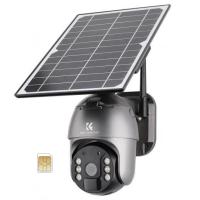
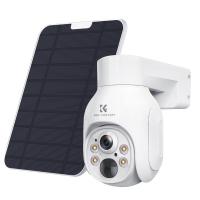
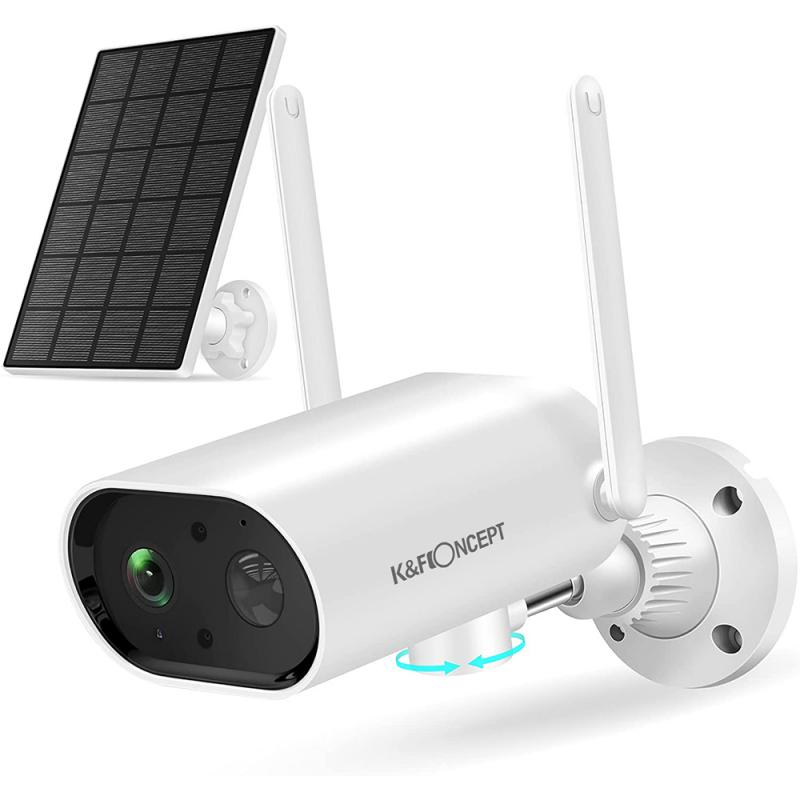
These cameras can function in various ways. Many of them use wired connections—such as power cords and coaxial cables—which transmit video signals from the camera to the recording device. Others are battery-operated or solar-powered, offering mobility and ease of installation without dependence on external wiring or the internet. Some models are hybrid, combining wired setups for video transfer and a local storage solution.
Types of Security Cameras Without Wi-Fi

There are several types of non-Wi-Fi security cameras to consider, depending on your needs:
1. Wired Analog Cameras:
Traditional analog cameras send video signals through coaxial cables to a DVR, where the footage is saved and stored securely. These are some of the most reliable cameras as they do not depend on Wi-Fi and often provide high-quality video. They are ideal for long-term surveillance needs and businesses.
2. IP Cameras with Ethernet Connections:
While most internet protocol (IP) cameras are associated with Wi-Fi access, some models come with Ethernet ports for direct wired connections. Footage can be stored locally on a network video recorder (NVR) or hard drives, making them useful for instances where stable internet access isn’t available.
3. Battery-Powered Cameras:
Battery-powered cameras are a perfect option for locations where electricity or internet isn’t readily available. Compact and portable, they often save footage onto SD cards. While they may lack the ability to stream footage remotely, they compensate with their mobility and ease of use.
4. Portable Security Cameras with Built-In Storage (SD Cards):
Cameras with built-in SD card slots enable direct video recording without the need for external connections. These are great for temporary setups or smaller-scale security requirements.
5. 4G LTE Cameras:
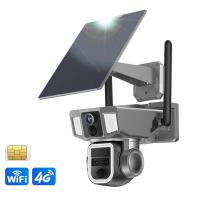
Technically, these cameras do use a wireless network, but it’s based on cellular LTE data rather than Wi-Fi. These cameras can work in areas that do not have Wi-Fi connectivity but have access to cellular data.
6. Hardwired CCTV Systems:
These systems are classic and reliable options for static installations. Cameras run via cables to an imaging system, where footage is stored in a secure location.
Benefits of Security Cameras Without Wi-Fi
Opting for non-Wi-Fi security cameras offers several advantages:
1. Enhanced Privacy and Data Security:
Because non-Wi-Fi cameras do not transmit data over the internet, there is less chance of your footage being exposed to hacking or breaches. This makes them ideal for anyone with privacy concerns.
2. Reliability in Remote Locations:
Non-Wi-Fi cameras are especially useful in rural or remote settings where internet connectivity is spotty or nonexistent. These cameras ensure continuous surveillance without interruptions due to connectivity issues.
3. Stable Performance:
Wi-Fi signals can occasionally drop due to interference or technical issues, whereas wired or locally stored footage guarantees stable and uninterrupted operation. These cameras are built for robustness regardless of external conditions.
4. Ease of Maintenance:
Non-Wi-Fi cameras generally have fewer components to monitor or troubleshoot, such as routers, passwords, or internet connectivity issues. A wired camera setup is often straightforward to handle.
5. Cost Efficiency:
While some Wi-Fi-enabled security cameras come with subscription fees for cloud storage, non-Wi-Fi systems generally store footage locally, avoiding recurring costs.
Possible Limitations
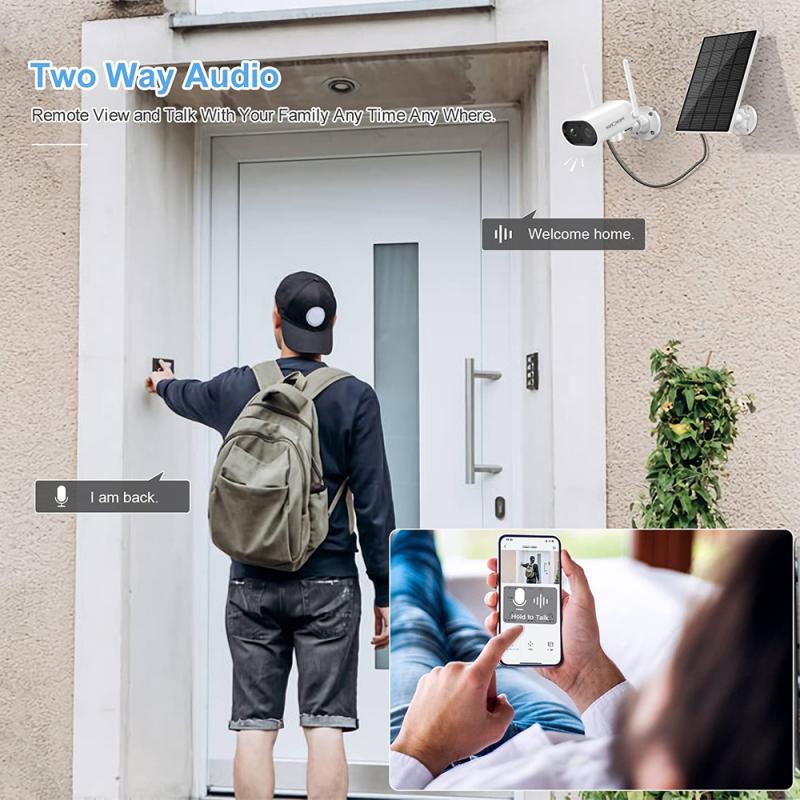
As advantageous as non-Wi-Fi cameras may be, they are not without limitations:
No Remote Access:
One major drawback of cameras without Wi-Fi is the inability to access footage remotely. If you need to check in on your property while traveling or away from the premises, you’ll need another solution.
Limited Motion Alerts:
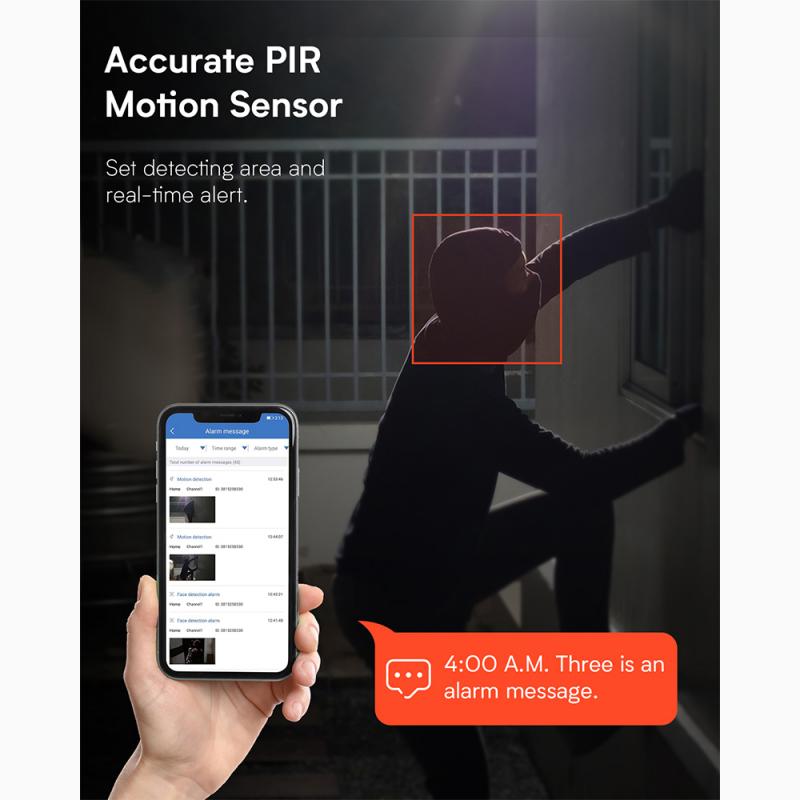
Without internet connections to push notifications, some cameras may fall short in terms of alerting you to events, unless paired with compatible systems.
Manual Maintenance:
SD cards or local storage devices need regular upkeep, such as replacing full memory cards and ensuring proper function. This could mean more hands-on maintenance compared to cloud-based options.
When Are Non-Wi-Fi Cameras the Right Choice?
There are several scenarios where opting for a non-Wi-Fi security camera makes perfect sense:
1. Remote Locations:
Farms, construction sites, and cabins, far from internet access, benefit greatly from a non-Wi-Fi setup.
2. Temporary Surveillance:
Use them during special events or short-term property rentals where setting up internet-based equipment isn’t practical.
3. Privacy Concerns:
Families wary of cloud storage or internet transmission can choose offline security options for peace of mind.
4. Reliability in High-Interference Zones:
Locations prone to frequent Wi-Fi interruptions due to congestion or poor infrastructure are better served with hardwired systems.
Tips for Choosing a Non-Wi-Fi Security Camera
When shopping for non-Wi-Fi security cameras, keep the following factors in mind:
1. Quality of Resolution:
Look for cameras with high video resolution (1080p or higher) to ensure crisp footage for identification purposes.
2. Storage Capacity:
Ensure your system has sufficient internal storage or expansion options (SD cards, DVRs, etc.).
3. Power Supply Options:
Depending on your installation requirements, choose between AC-powered wired systems or battery- and solar-powered alternatives.
4. Durability:
Choose outdoor cameras with weatherproof ratings if you’re using them in exposed areas.
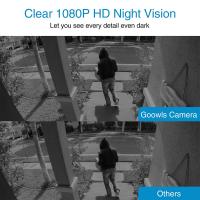
5. Night Vision Capabilities:
Consider infrared or other low-light capabilities for 24-hour surveillance.
Alternative Solutions for Specific Needs
If your main concern is remote monitoring but you lack sufficient Wi-Fi coverage, you can consider hybrid solutions such as cellular-enabled cameras or a mixture of wired systems that function locally but offer remote connections when a temporary hotspot is available.
Alternatively, if privacy is your priority but you still want some remote features, look for local Closed Circuit Television (CCTV) systems that transmit information over private networks without connecting to the broader internet.
Non-Wi-Fi security cameras are excellent options for people seeking reliable, private, and internet-free surveillance solutions. From analog setups to simple SD card options, these cameras are well-suited to various scenarios and demands. While they do have limitations in terms of remote accessibility and notifications, their reliability in offering stable and secure footage makes them indispensable for families, businesses, and installations in remote locations.
When choosing the best system for your needs, factor in resolution, storage solutions, power supply options, and durability requirements. Rest assured, if you’re looking for a security camera that doesn’t need Wi-Fi, there are plenty of practical and effective options available for you.