What Is The Best Thermal Imaging Monocular?
Understanding the Best Thermal Imaging Monoculars: A Comprehensive Guide
Thermal imaging technology has come a long way, providing unmatched clarity and capability in numerous applications such as outdoor exploration, wildlife observation, security, and search and rescue operations. A thermal imaging monocular can be a game changer in these situations, allowing users to detect heat signatures even in complete darkness or adverse weather conditions where traditional optics fail. However, with the vast number of models available, selecting the best thermal imaging monocular can be overwhelming. In this article, we’ll break down everything you need to know about thermal imaging monoculars, explore their key features, and provide insights to help you choose the right one for your needs.
What is a Thermal Imaging Monocular?
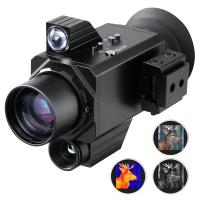
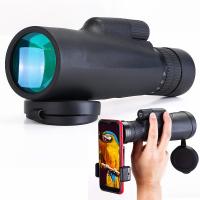
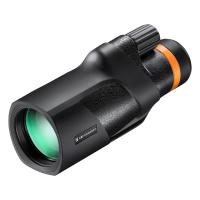
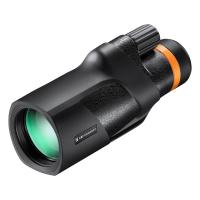
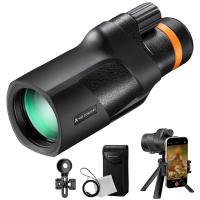
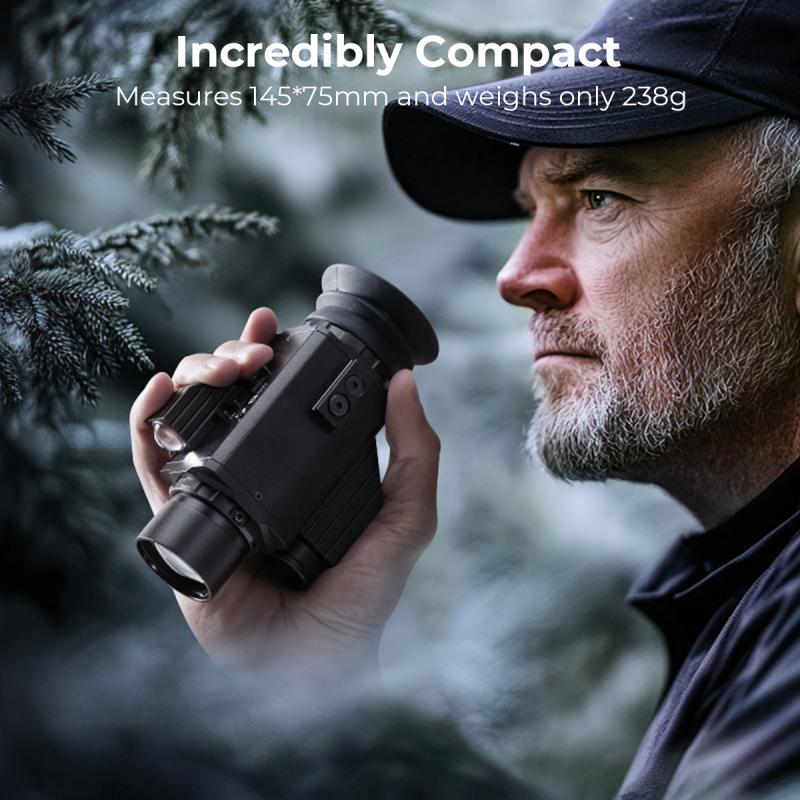
A thermal imaging monocular is a hand-held, single-eyepiece device that detects infrared radiation (heat signatures) emitted by objects. By translating heat into visual images, these devices enable users to see in circumstances where regular vision is limited, such as during the night or in environments with smoke, fog, or thick vegetation. These monoculars are often used by hunters, outdoor enthusiasts, security personnel, and professionals in industries like firefighting and law enforcement.
Unlike night vision devices that amplify visible light, thermal imagers do not require any light source to operate, making them highly versatile and reliable.
Key Features to Look for in a Thermal Imaging Monocular
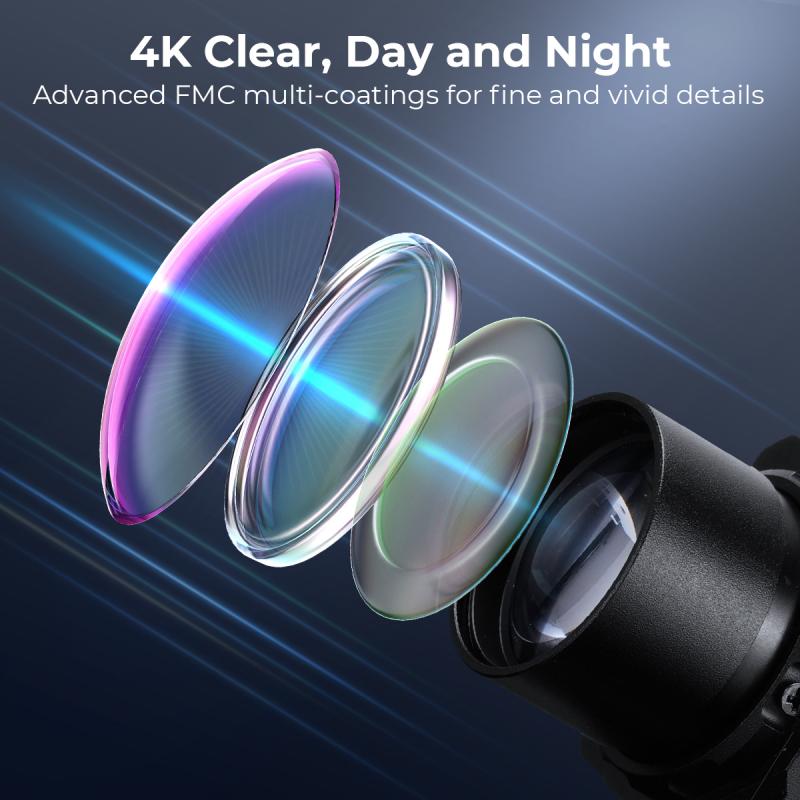
When searching for the best thermal imaging monocular, the following factors play a crucial role in determining the device’s performance and utility:
1. Resolution
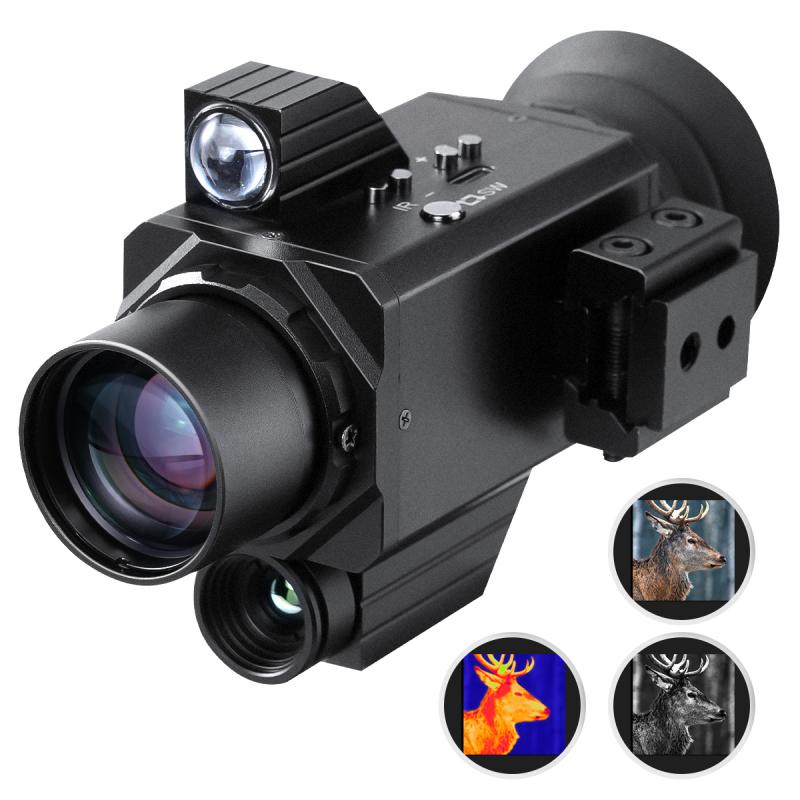
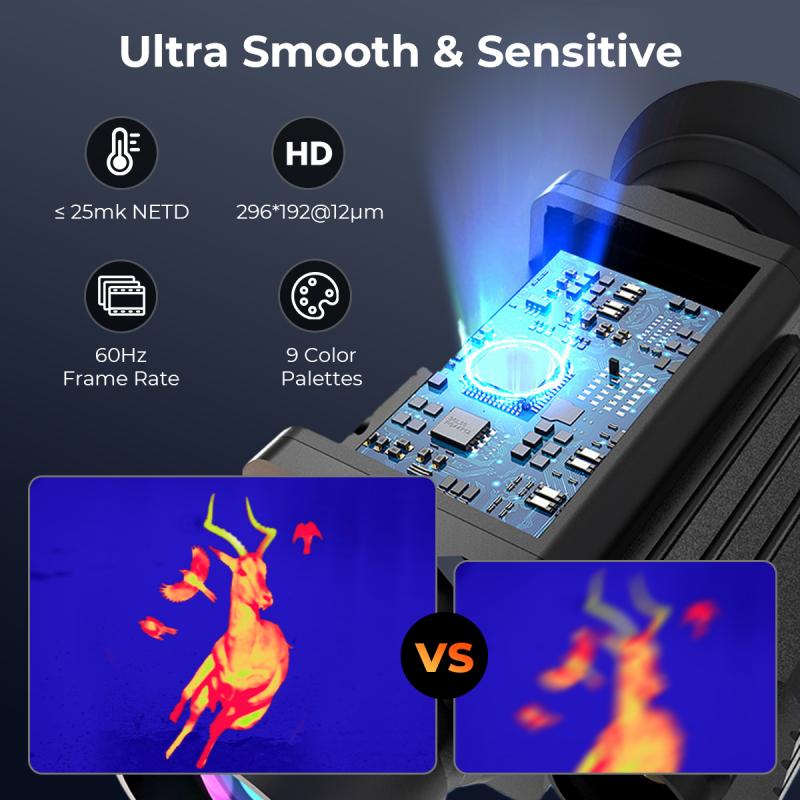
Thermal resolution determines the clarity of the thermal image. A higher resolution (e.g., 640x480 pixels) offers finer details, allowing users to identify objects more precisely at longer distances. Entry-level models typically feature resolutions around 160x120 or 320x240, which may suffice for general use. The appropriate resolution depends on your intended application. For professional-grade tasks, aim for higher thermal resolution.
2. Detection Range
Detection range refers to how far the monocular can effectively detect heat-emitting objects. Devices with a longer detection range (up to several thousand meters) are ideal for scanning large areas or spotting distant wildlife. Look for models specifying their intended range and ensure it matches your needs.
3. Refresh Rate
The refresh rate (measured in Hz) affects the smoothness of the image displayed. Units with higher refresh rates (such as 50 Hz or 60 Hz) produce smoother motion and are particularly important for tracking fast-moving objects. Lower refresh rates (e.g., 9 Hz) can result in choppy visuals, making them less suitable for dynamic tasks.
4. Lens and Field of View (FOV)
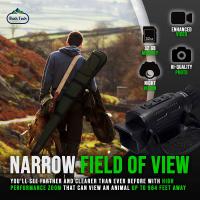
The lens size and FOV significantly impact what you can see. A wider field of view is useful for scanning broader areas at close range, while a narrower FOV with a better zoom is suitable for long-distance observation.
5. Battery Life
Thermal monoculars are power-intensive devices, so checking the battery life is essential. Some models offer 4-5 hours of continuous use, while others go up to 10 hours or more. Consider whether the device supports rechargeable batteries or additional power sources for extended use.
6. Durability and Weather Resistance
Given their outdoor applications, thermal imaging monoculars often face harsh conditions. Ensure the device is rugged and has weatherproof ratings like IP67 or IP68 to stand up to extreme environments.
7. Additional Features
Modern monoculars come with advanced features such as Wi-Fi connectivity for image sharing, video recording capabilities, GPS, and customizable color palettes (white-hot, black-hot, red-hot, etc.). While these are not vital for basic use, they can enhance the overall experience and usability.
Applications of Thermal Imaging Monoculars
Thermal monoculars are versatile tools adaptable to various use cases:
Hunting and Wildlife Observation: Hunters can use thermal monoculars to track game during low-light hours without disturbing their environment. Wildlife enthusiasts can observe nocturnal animals from a safe distance.
Security and Surveillance: Detecting intruders or identifying security threats is easier with thermal imaging, especially in low-visibility conditions.
Search and Rescue Operations: These devices help locate missing persons in dense vegetation, rubble, or water by detecting their body heat.
Outdoor Adventures: Campers, hikers, and nature lovers benefit from thermal monoculars to navigate safely or stay aware of nearby animals.
Industrial Use: Detecting heat leaks in buildings, monitoring electrical installations, or spotting equipment malfunctions are some industrial applications of thermal imaging.
Top Recommendations for Thermal Imaging Monoculars
Let’s review some of the best thermal imaging monoculars currently available:
1. Pulsar Axion 2 XQ35
Highlights: Compact, lightweight, and powerful, this monocular has a high thermal resolution and a detection range of up to 1300 meters. It offers Wi-Fi connectivity, a fast refresh rate, and excellent video recording features.
Best For: Hunters and security professionals seeking a reliable handheld device.
2. FLIR Scout III 640
Highlights: Renowned for its intuitive operation and high-resolution display (640x480), the FLIR Scout III is a favorite among outdoor enthusiasts. It boasts a refresh rate of 30 Hz for smooth tracking.
Best For: General purpose outdoor exploration and wildlife observation.
3. ATN OTS LT
Highlights: With an impressive battery life (up to 10 hours) and a detection range extending over 1 kilometer, this monocular is great for hunting or security surveillance.
Best For: Long-lasting outdoor activities and detailed observation.
4. AGM Global Vision Taipan TM19-384
Highlights: A user-friendly, budget-friendly option, the Taipan offers high-quality thermal imaging with a 384x288 resolution and a full suite of features like video recording and image sharing.
Best For: Entry-level users seeking versatility on a budget.
5. Trijicon IR Patrol M300W
Highlights: Designed for tactical applications, the Trijicon IR Patrol offers military-grade durability, sharp image clarity, and advanced thermal technology.
Best For: Tactical use and professional-grade performance.
Choosing the Right Thermal Imaging Monocular
Your choice ultimately depends on your specific needs, budget, and intended use. Below are some quick pointers to keep in mind while selecting a thermal imaging monocular:
Recreational Users – Opt for affordable models with basic features and a robust design. Large detection ranges may not be necessary.
Hunters and Outdoor Enthusiasts – Focus on mid-range monoculars with good resolution, reasonable detection range, and long battery life.
Professional Users – Choose high-resolution, long-range models with advanced features, durable construction, and higher refresh rates to meet demanding applications.
Thermal imaging monoculars bring the invisible world of infrared into view, offering incredible versatility and performance in diverse environments and conditions. Whether you’re a hobbyist observing wildlife, a hunter tracking game, or a professional responding to emergencies, there’s a monocular to suit your needs. By understanding the key features and considering the use cases, you’ll be better equipped to make an informed decision. Invest wisely, and you’ll gain a reliable tool that serves you for years in exploring, protecting, and solving challenges in the dark.