What Background Is The Best For Ring Lights?
Choosing the Best Background for Ring Lights: A Comprehensive Guide
Ring lights have become an essential tool for photographers, videographers, content creators, and even professionals in fields like makeup artistry and teleconferencing. Their ability to provide even, flattering lighting makes them a go-to choice for creating high-quality visuals. However, while the ring light itself plays a significant role in enhancing your subject, the background you choose can make or break the overall aesthetic and effectiveness of your setup.
In this article, we’ll explore the factors that determine the best background for ring lights, practical tips for selecting the right one, and how to optimize your setup for different use cases. Whether you're a beginner or a seasoned professional, this guide will help you make informed decisions to elevate your content.
---
Why Does the Background Matter?
The background in your setup is more than just a backdrop; it sets the tone, mood, and context of your content. A well-chosen background complements the subject and ensures that the ring light’s effects are maximized. Conversely, a poorly chosen background can create distractions, uneven lighting, or even ruin the professional look you’re aiming for.
Here are some key reasons why the background matters when using a ring light:
1. Light Reflection and Absorption: Different materials and colors reflect or absorb light differently. A reflective background can cause glare or hotspots, while a matte background ensures even lighting.
2. Aesthetic Appeal: The background contributes to the overall visual appeal of your content. A cluttered or mismatched background can detract from the subject.
3. Focus on the Subject: A good background ensures that the subject remains the focal point, rather than competing with distracting elements.
4. Context and Branding: For content creators, the background can reinforce your personal or professional brand. It can also set the mood for the type of content you’re producing.
---
Factors to Consider When Choosing a Background
Before diving into specific background options, it’s important to understand the factors that influence your choice. These include:
1. Purpose of the Content:
- Are you shooting a professional headshot, a makeup tutorial, or a casual vlog? The purpose will dictate the tone and style of the background.
2. Color and Contrast:
- The background color should complement the subject and avoid clashing with their clothing or skin tone. Neutral tones like white, gray, or beige are versatile, while bold colors can add personality.
3. Texture and Material:
- Smooth, matte surfaces work best to avoid unwanted reflections. Textured backgrounds can add depth but should be used sparingly to avoid overpowering the subject.
4. Space and Depth:
- Consider the distance between the subject and the background. A greater distance can create a pleasing depth of field, especially if you’re using a camera with adjustable aperture settings.
5. Lighting Conditions:
- The background should work harmoniously with your ring light. Avoid overly dark or overly bright backgrounds that can create imbalances in exposure.
---
Best Background Options for Ring Lights
Now that we’ve covered the factors to consider, let’s look at some of the best background options for different scenarios:
1. Plain White Background
- Why It Works: A plain white background is a classic choice for professional and clean visuals. It reflects light evenly, ensuring that the subject is well-lit and stands out.
- Best For: Product photography, professional headshots, and corporate videos.
- Tips: Use a matte white backdrop to avoid glare. Ensure the ring light is positioned to minimize shadows.
2. Neutral Gray Background
- Why It Works: Gray is a versatile color that works well in various lighting conditions. It provides a neutral tone that doesn’t overpower the subject.
- Best For: Portrait photography, makeup tutorials, and general-purpose content.
- Tips: Experiment with different shades of gray to find the one that complements your subject best.
3. Textured or Patterned Backgrounds
- Why It Works: Textured backgrounds, such as brick walls or wooden panels, add depth and character to your visuals. They can create a more dynamic and engaging look.
- Best For: Lifestyle content, fashion shoots, and creative projects.
- Tips: Keep the texture subtle to avoid distracting from the subject. Use a shallow depth of field to blur the background slightly.
4. Solid Bold Colors
- Why It Works: Bold colors like blue, red, or yellow can make your content pop and convey a specific mood or theme.
- Best For: Social media content, branding videos, and artistic projects.
- Tips: Choose colors that align with your brand or the message you want to convey. Be mindful of how the ring light interacts with the color to avoid overexposure.
5. Green Screen (Chroma Key)
- Why It Works: A green screen allows you to replace the background with any image or video during post-production. This is ideal for creating versatile and customizable content.
- Best For: Gaming streams, virtual presentations, and creative video projects.
- Tips: Ensure even lighting on the green screen to avoid shadows or uneven coloring, which can complicate the editing process.
6. Natural Backgrounds
- Why It Works: Natural settings, such as a park or a well-lit room, can create a relaxed and authentic vibe.
- Best For: Vlogs, lifestyle content, and outdoor photography.
- Tips: Use the ring light to fill in shadows and ensure the subject is well-lit, even in uneven natural lighting conditions.
---
Common Mistakes to Avoid
When setting up your background with a ring light, avoid these common pitfalls:
1. Overly Reflective Surfaces:
- Mirrors, glass, or shiny materials can reflect the ring light, creating unwanted glare or distracting reflections.
2. Cluttered Backgrounds:
- A busy or messy background can take attention away from the subject. Keep it simple and clean.
3. Inconsistent Lighting:
- Ensure the background is evenly lit to avoid harsh shadows or uneven exposure.
4. Poor Color Choices:
- Avoid colors that clash with the subject’s clothing or skin tone. Test different options to find the most flattering combination.
---
Optimizing Your Setup
To get the most out of your ring light and background, follow these tips:
1. Positioning:
- Place the ring light at eye level and ensure it’s centered around the subject. Adjust the distance between the subject and the background to create the desired depth.
2. Camera Settings:
- Use a camera with manual settings to control exposure, white balance, and focus. This ensures that both the subject and background are captured optimally.
3. Background Accessories:
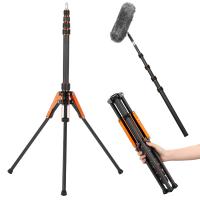
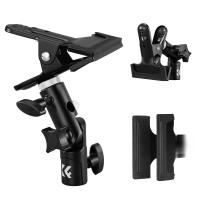
- Consider using stands, clamps, or portable backdrops to create a professional setup. These tools make it easier to switch backgrounds as needed.
4. Post-Processing:
- Use editing software to fine-tune the background and lighting. Adjust brightness, contrast, and saturation to achieve the desired look.
---
The background you choose for your ring light setup plays a crucial role in the overall quality and impact of your content. By considering factors like color, texture, and lighting, you can create a setup that enhances your subject and aligns with your creative vision. Whether you opt for a plain white backdrop, a bold color, or a natural setting, the key is to ensure that the background complements the subject and works harmoniously with the ring light.
With the right background and a well-optimized setup, you can elevate your content to professional standards and captivate your audience. So, experiment with different options, refine your techniques, and let your creativity shine!