How To Record Using Backup Camera On Car?
Recording using the backup camera of your car can be a convenient solution for capturing rear-view video footage while driving or parking. However, for most standard factory-installed backup cameras, recording is not an inherent feature; they are primarily designed to assist with reversing by displaying real-time images on the infotainment screen. If you’re looking to capture footage from the backup camera, there are practical solutions that involve integrating additional hardware and modifications. In this article, we’ll explore how to record video footage using your car’s backup camera, the equipment and setup required, and considerations to keep in mind for legal compliance and optimal operation.
Understanding Backup Cameras in Vehicles
Backup cameras, also referred to as rear-view cameras, are built into many vehicles to help drivers reverse safely. They provide a live feed of the area behind the vehicle, which is displayed on the infotainment system screen. In most cases, these cameras are connected directly to the car’s electronic system, and the feed is not designed to be saved or recorded. To add recording capabilities, additional components such as video capturing devices or dash cams must be implemented.
Can You Record Directly With a Standard Backup Camera?
Factory-installed backup cameras in vehicles do not usually include built-in recording features. These devices are part of a closed-circuit setup that streams real-time video to the screen without storage mechanisms. Therefore, if you want to record footage from the backup camera, it’s essential to integrate external recording devices.
Equipment You'll Need to Record Using a Backup Camera
To record footage from a backup camera system, you’ll need the following equipment:
1. Video Capture Device: This device connects to the wiring of your backup camera and records the feed. It can either save the footage to an SD card or transfer it to a connected smartphone or computer for storage.
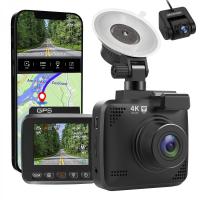
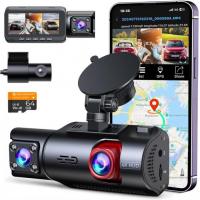
2. Dash Cam with Rear-Connection Capabilities: Some modern dash cams come with rear camera inputs. These dash cams can be connected to your backup camera to record video footage.
3. Adapter for Camera Output: Depending on the camera system installed in your vehicle, an adapter or converter may be required. Most backup cameras output video signals in composite formats like RCA or proprietary connections, requiring specific adapters.
4. Power Supply Management: Recording devices may need a separate power source, which can typically be achieved through a 12V car outlet or battery system.
Step-by-Step Guide to Set Up a Recording System for Your Backup Camera
Step 1: Identify the Backup Camera Wiring
Locate the wiring for your car’s backup camera. The wires that transmit the video feed are often accessible near the rear of the car, usually connected to the infotainment screen module. You’ll need to identify the type of output the backup camera uses (typically it’s an RCA connection, but some systems use HDMI or proprietary connectors).
Step 2: Install a Video Capture Device
A video capture device is integral for recording the video signal. This device essentially intercepts the video feed from your backup camera, saving it to storage like an SD card. Depending on the compatibility and type of connection, you may need to use an adapter to connect the video feed cable to the input port of the capture device. For ease of use, some capture devices come with integrated cables designed for automotive systems. Once installed, test the capture device to ensure that the feed from the backup camera is readable and the recording mechanism works as desired.
Step 3: Use a Dash Cam for Dual Rear Recording Capability
If your primary goal is to record both front and rear views, investing in a dual-channel dash cam may be a more practical solution. Some dash cams are equipped with ports or kits that allow connection to your factory backup camera for streaming and recording the footage. This setup simplifies the process and avoids modifying the car’s wiring overly.
Step 4: Consider Software Integration
If you plan to manage or review your recorded footage digitally, some video capture devices come with software that allows you to connect the camera system to a smartphone or laptop for storage and playback. Ensure that the software you use supports your device’s format and offers easy access to your footage.
Step 5: Secure the Power Supply
Ensure that the recording device and any adapters are properly powered. Most recording setups require a consistent power source, which is typically obtained from the car’s 12V outlet or another auxiliary power connection. Verify that the wiring is stable, insulated, and doesn’t interfere with existing electrical systems.
Step 6: Test the Setup
Once the entire setup is installed, test the connection by reversing your car and inspecting the recorded footage. Check the playback quality and confirm that the recording device captures the video feed continuously during the desired intervals.
Legal Considerations for Recording with a Backup Camera
Before proceeding, understand the laws and regulations regarding video recording in your location. In some regions, recording while driving may have legal or privacy implications, especially in public or private spaces. Ensure you consult local traffic and privacy regulations before installing and using a backup camera recording system.
Benefits and Practical Applications of Recording Footage
Recording footage using your backup camera can serve multiple purposes:
Enhanced Safety: In case of an accident or collision, recorded footage can provide valuable evidence for insurance claims and disputes.
Monitoring: If you’re concerned about theft or tampering with your vehicle, video footage can act as a security measure.
Educational Use: For learning to drive or improving your parking technique, reviewing footage from the backup camera can provide insights into your performance.
Alternatives for Backup Camera Recording
If you find the process of rewiring your backup camera cumbersome, consider alternatives designed specifically for recording rear footage:
Stand-Alone Rear Dash Cams: Purchase a dash cam with a dedicated rear camera module for seamless recording without modifying the factory backup camera.
License Plate Cameras: These aftermarket cameras attach to the license plate frame and allow you to record rear-view footage without compromising the original camera setup.
Car Security Systems: Some advanced security systems for cars include cameras that can monitor the surrounding area, including the rear, and automatically record activity.
Challenges and How to Overcome Them
Recording footage from your car’s backup camera might involve challenges, such as compatibility issues or limited space for installing additional components. Below are some common challenges along with solutions:
1. Compatibility Issues: Ensure that the recording device supports the video output format of your backup camera.
2. Space Constraints: Use compact recording devices and dash cams specifically designed for vehicles.
3. Electrical Interference: Improper wiring can cause signal interruptions or device malfunction. Seek professional installation if needed.
4. Video Quality: Adjust camera angles and settings for optimal visibility and resolution.
Final Thoughts
Recording footage from a car’s backup camera is achievable with the right tools and setup. Whether you want to enhance safety, monitor activity behind your car, or capture footage for educational purposes, adding a recording system can transform your existing camera into a dual-purpose device. Although it requires some technical modifications, the advantages far outweigh the effort.
For those less inclined to work on technical setups, modern dual-channel dash cams offer an excellent alternative, combining front and rear-view recording in a compact and efficient package. Whichever route you choose, ensure compliance with local regulations and prioritize quality and reliability in your equipment. With a proper recording system in place, you can use your car’s backup camera for more than just reversing—it can become a valuable asset for safety and security.




![K&F CONCEPT Screen Protector for Insta360 X5, [3 Pack] 9H Hardness Tempered Glass Cover Anti-Scratch Anti-Bubble Anti-Dust LCD Screen Protector Curved Edge Protection for Insta360 X4/X5 Accessories](https://img.kentfaith.com/cache/catalog/products/us/KF31.184/KF31.184-1-200x200.jpg "K&F CONCEPT Screen Protector for Insta360 X5, [3 Pack] 9H Hardness Tempered Glass Cover Anti-Scratch Anti-Bubble Anti-Dust LCD Screen Protector Curved Edge Protection for Insta360 X4/X5 Accessories")