How Smart Watch Measure Sleep?
Many smartwatches, fitness and wellness trackers now offer sleep tracking among their many functions. Wear your watch or ring to bed, and you'll wake up to a detailed sleep report telling you not just how long you slept, but when each phase happened and whether you had a good night's rest overall. But how can a device on your wrist or finger actually measure something that occurs in the brain?
The Gold Standard: How Sleep Is Clinically Measured
The gold standard of sleep measurement is polysomnography (PSG). Eye movements, muscle tone, heart rate, and brain activity are measured and assessed by experts to detect which stage of sleep or wakefulness a person is in. We cycle through different stages, generally classified as light sleep, slow-wave sleep (also known as deep sleep), and rapid eye movement or REM sleep.
Sleep stages are technically defined by patterns of brain wave activity, which can only be measured with an electroencephalography (EEG), a test that records electrical activity in the brain. Specific markers in brain wave activity differentiate sleep stages 1–4. K-complexes and sleep spindles are examples that indicate sleep stage 2. Delta waves indicate stage 3. REM sleep has rapid eye movement, detectable with sensors near each eye. Since a watch or ring can't read brain waves, it uses signals like heart rate and movement as substitutes.
How Smart Watches Tracked Sleep Before Heart Rate Sensors
Before the rise of consumer smartwatches, researchers and doctors used medical-grade devices called actigraphs, which are essentially sophisticated movement trackers worn on the wrist. Actigraphs use an internal sensor called an accelerometer, a tiny piece of hardware that detects motion. Algorithms then translate this movement data into estimates of sleep and wakefulness.
Actigraphs are great for getting general sleep/wake/movement data over time, especially helpful for understanding circadian rhythms. However, traditional actigraphy has one persistent weakness: it struggles to distinguish between sleep and periods of "quiet wakefulness." If you are lying in bed awake but not moving — like someone with insomnia might do — the device is likely to incorrectly score that time as sleep. In technical terms, these devices have high sensitivity (very good at correctly identifying when you are asleep) but low specificity (poor ability to correctly identify when you are awake).
Most sleep trackers measure sleep quantity and quality using accelerometers. If you want to get more details about your sleep stages, a sleep tracker that only offers an accelerometer isn't the best fit — they can't accurately measure sleep stages because there is little difference in movement between sleep stages.
What Sensors Do Modern Smart Watches Use to Measure Sleep
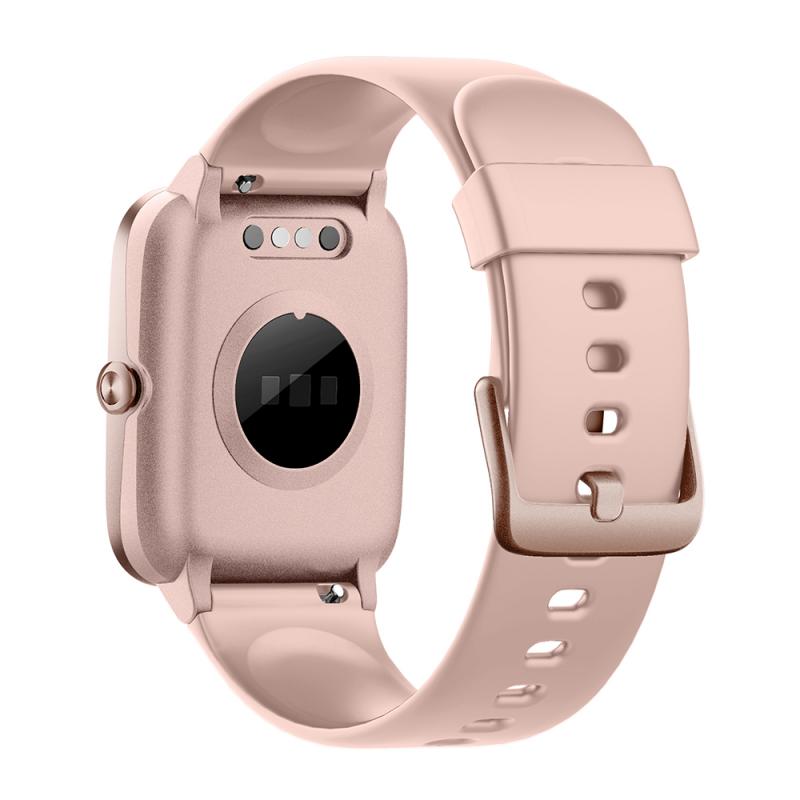
- Accelerometer: Detects how much and how often you move. When you're tossing and turning, your watch knows you're restless. When you're still, especially for a while, it's a good sign you're asleep — or at least trying to be.
- Optical heart rate sensor (PPG): Most smartwatches and fitness trackers measure heart rate using an optical technique called photoplethysmography, or PPG. LEDs shine light through your skin, and a sensor measures how much of that light is reflected back. When your heart beats, it pumps blood through the arteries in your wrist. Since blood is red, it absorbs green light — when there is more blood flow during a heartbeat, more green light is absorbed and less is reflected. By flashing these LEDs hundreds of times per second, the device can detect these tiny changes in light reflection and calculate your heart rate and HRV.
- Pulse oximeter: Some devices include a pulse oximeter, a sensor that typically shines a red light through your skin to estimate blood oxygen levels.
- Skin/wrist temperature: Some models track wrist temperature, which tends to fluctuate differently when you're sleeping. The temperature of your hands and feet is closely linked to sleep onset.
- Microphone: Some sleep trackers use a microphone to capture noise from the room or your body, measuring respiration and detecting snoring or sleep apnea.
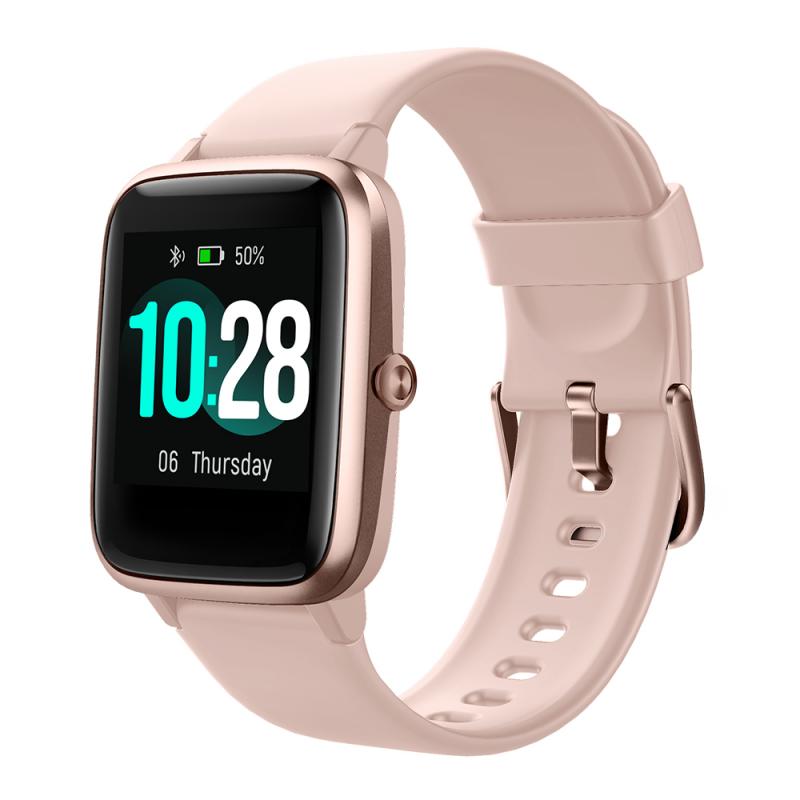
How Heart Rate and HRV Reveal Sleep Stages
Your heart rate and its variability (HRV) change in predictable patterns across different sleep stages, giving trackers important clues about whether you're awake or in light, deep, or REM sleep. Your body's autonomic nervous system — the system that controls involuntary functions like breathing and heart rate — operates differently depending on your sleep stage, and your heart activity reflects these changes.
- Heart rate during sleep
- Your heart rate is highest when you are awake. As you fall asleep and progress from light sleep into deep sleep, your heart rate gradually slows down. It then tends to increase and become more variable during REM sleep, the stage associated with dreaming. Your heart rate will also briefly spike when you have an awakening during the night.
- Heart rate variability (HRV)
- HRV is a measure of the variation in time between each of your heartbeats. A high HRV, meaning there is more variation between beats, is generally a sign of good health and resilience, indicating a healthy balance in the autonomic nervous system. Parasympathetic activity and HRV tend to increase during deep sleep, while sympathetic activity increases and HRV decreases during REM sleep and periods of wakefulness. Each breath you take is also coded into your heart rate variability — the length of time between consecutive heartbeats shortens slightly as you inhale and lengthens as you exhale. This biological phenomenon is called respiratory sinus arrhythmia (RSA).
- Deep sleep and body paralysis
- One of the main ways sensors detect deep sleep is that your body is paralyzed during those stages of sleep, resulting in no or very subtle accelerometer input changes. When you are backing out of REM and into light sleep, this paralysis is no longer in effect, and the body usually rolls over or makes some movement. Using that signal, a device can catch light sleep and even estimate the REM cycle based on it, since REM happens at the end of deep sleep and before light sleep, with an approximate known duration for each recurring cycle through the night.
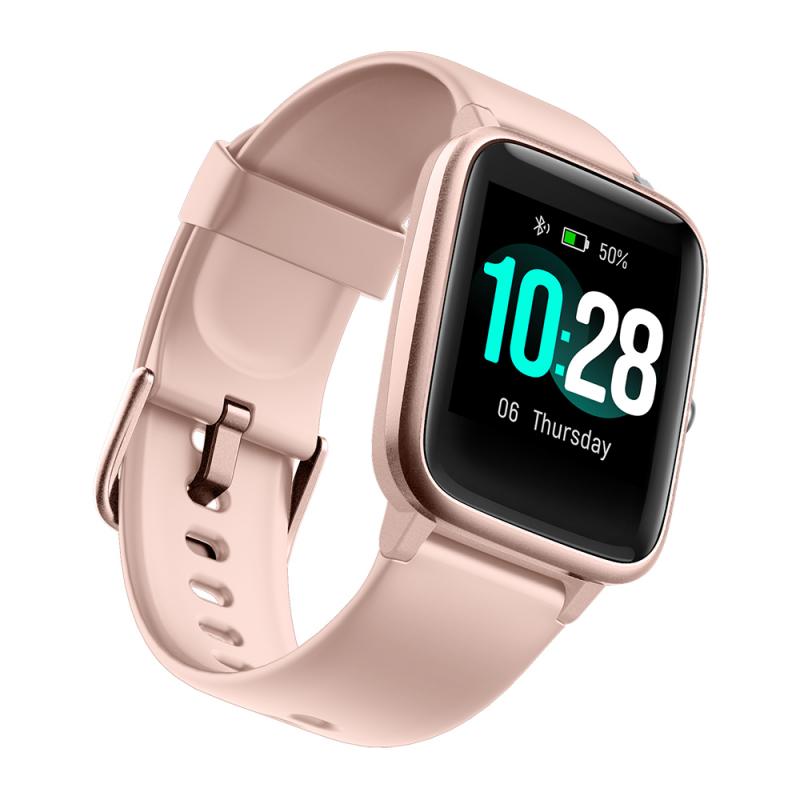
How Accurate Are the Top Consumer Sleep Trackers
When compared to PSG, major brands like Fitbit, Apple Watch, and Oura perform reasonably well. They are generally good at telling sleep from wake but vary in their ability to accurately identify specific sleep stages.
- Fitbit: Early models that only used accelerometers had very poor specificity. Once Fitbit added PPG heart rate sensors, performance improved. A study on the Fitbit Charge 2 found it had 96% sensitivity and 61% specificity compared to PSG. A study on the Fitbit Alta HR found 95% sensitivity and 54% specificity, with accuracies for classifying light, deep, and REM sleep at 72%, 86%, and 89% respectively.
- Apple Watch: One study that extracted raw sensor data and applied a machine-learning model found the Apple Watch could achieve 93% sensitivity and 60% specificity, performing on par with or better than many medical-grade actigraphs. Another analysis found that combining motion, heart rate, and an estimate of time of day allowed the Apple Watch to classify sleep stages with about 65% accuracy for NREM and REM sleep.
- Oura Ring: The Oura Ring packs its sensors into a ring worn on the finger. Some research suggests that the arteries in the finger can provide a cleaner PPG signal than the wrist. One study found it had 96% sensitivity but a lower specificity of 48%. Its agreement with PSG for classifying sleep stages was 65% for light sleep, 51% for deep sleep, and 61% for REM sleep.
Research has shown that trackers are much more accurate when classifying sleep into three broad categories (wake, NREM, and REM) than when trying to break it down into five stages. One analysis showed an accuracy of 78% for a three-stage model, which dropped to 65% for a five-stage model.
Limitations of Consumer Sleep Trackers
Consumer sleep trackers are not perfect and have several important limitations, especially for people with sleep disorders or certain physical characteristics.
- Quiet wakefulness: The "quiet wakefulness" problem that affects traditional actigraphy still impacts modern trackers, particularly for people with insomnia. If you are lying awake but calm and still, even a multisensory tracker may incorrectly log that time as light sleep. Studies have consistently shown that trackers overestimate sleep time and efficiency in individuals with insomnia compared to good sleepers.
- Sleep stage estimation: Sleep stage data from your tracker should be viewed as an estimate, not a fact. While algorithms are getting smarter, they are not a substitute for a real EEG.
- Sleep apnea detection: You should not rely on a consumer wearable to diagnose sleep apnea unless it has FDA clearance for diagnosis. While some newer devices include a pulse oximeter, they are not yet accurate or reliable enough for clinical use. One study found that while a Fitbit could help confirm a diagnosis in many cases, its accuracy was still insufficient for clinical screening.
- Skin tone and tattoos: The PPG technology used by most trackers can sometimes be less accurate on darker skin tones or skin with tattoos. The melanin pigment in darker skin absorbs more of the green light from the sensor, which can make it harder to get a clear reading of the blood flow underneath. Similarly, the ink from tattoos, especially dark or dense ink, can block the light and interfere with the sensor's ability to get an accurate reading.
- Fit and positioning: A loose fit can affect sensor accuracy, especially heart rate readings. Wearing the watch too high or with sensors not flush against the skin can also cause tracking errors.
The Future of Sleep Tracking Technology
The future of sleep tracking will likely involve integrating even more sensors to create a more complete and accurate picture of sleep health. Researchers are exploring a number of new signals that could be measured by a wearable device to improve sleep/wake detection and staging.
Future devices may incorporate sensors to continuously monitor blood oxygen saturation, which could help in screening for sleep-disordered breathing. Others might track changes in skin temperature more precisely. Some researchers are even developing wearable sensors that can measure biomarkers of stress and inflammation, such as the hormone cortisol, directly from sweat. By combining all these data streams, the next generation of trackers could provide even more personalized and actionable insights.