How Expensive Is A Metal Detector?
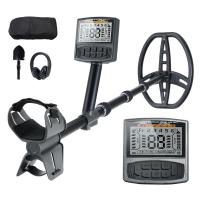
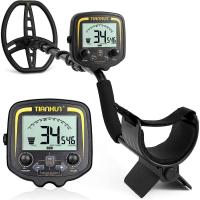
Metal detectors can cost anywhere from about $60 to well over $5,000, but most people who want a decent hobby detector should expect to spend $250 to $700.
That range is where the experience starts to feel enjoyable rather than frustrating. Below that, you can still find something usable, especially for kids or casual backyard searching, but cheap detectors often struggle with depth, false signals, wet sand, and trashy ground. Above that, you’re usually paying for better target separation, waterproofing, multi-frequency technology, lighter construction, more accurate identification, and features aimed at serious relic hunters, beach hunters, or gold prospectors.
For a first detector, the best value is rarely the cheapest one. It’s the machine you’ll actually keep using after the first weekend.
What you can expect at different price levels
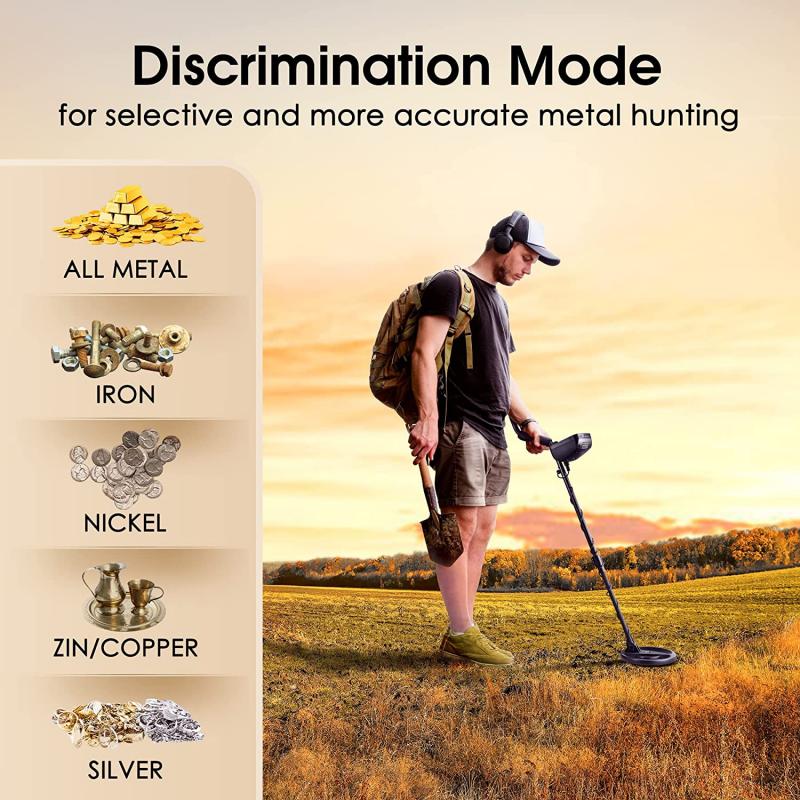
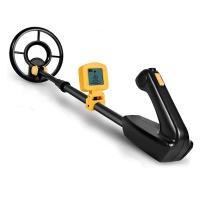
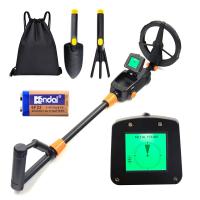
A $60 to $150 metal detector is usually a very basic starter unit. These are often bought for children, gifts, or one-off curiosity. They can find coins, bottle caps, lost keys, and shallow metal objects in a yard or park. The problem is consistency. Target IDs may jump around, depth is limited, and the detector may beep at everything if the ground is mineralized or full of junk.
This price range is fine if you’re buying for a child or you just want to try the hobby without much commitment. I wouldn’t choose one if your goal is beach hunting, finding old coins, or seriously searching fields and permissions.
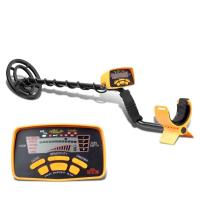
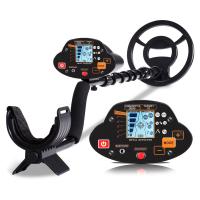
At around $200 to $400, metal detectors become much more capable. This is the sweet spot for many beginners. You start seeing better discrimination, more stable target IDs, improved coils, lighter shafts, and modes designed for coins, jewelry, parks, and fields. Many well-known entry-level detectors live here, and they’re good enough to find real things: silver coins, rings, relics, old brass, and plenty of modern change.
If someone asked me what to spend without overthinking it, I’d usually say around $300. That’s enough to avoid most toy-grade frustration but not so much that you’ll regret it if the hobby doesn’t stick.
From $500 to $900, you’re getting into serious hobby machines. These detectors are better in difficult soil, better at separating good targets from nails and foil, and often more comfortable for long sessions. Many models in this range are waterproof or weatherproof, use rechargeable batteries, and include wireless audio options.
This is the level where beach hunters and frequent users usually land. If you plan to detect every weekend, hunt old sites, or work around trashy parks, the extra money can be worth it.
At $1,000 and up, the improvements become more specialized. High-end detectors may offer advanced multi-frequency operation, better gold sensitivity, highly adjustable settings, premium build quality, carbon-fiber shafts, and performance advantages in harsh ground. These machines can absolutely be worth it for experienced users, but they are not magic. A skilled person with a mid-range detector will usually outperform a beginner with an expensive one.
Professional-grade gold detectors and deep-seeking systems can cost $2,000 to $6,000 or more. Those are not typical coin-and-jewelry detectors. They’re built for specific work, like nugget hunting in mineralized soil or searching for large deep targets. Buying one as a first detector is usually overkill.
The type of detecting matters a lot
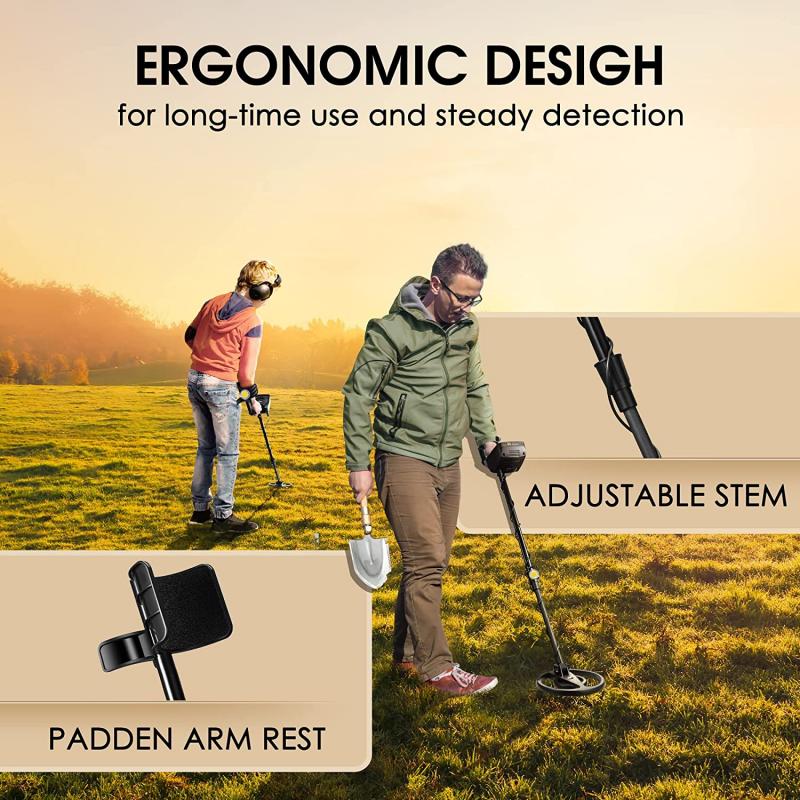
The right budget depends heavily on where you plan to search.
For parks, yards, and school fields, a good entry-level or mid-range detector is plenty. You want accurate discrimination more than extreme depth because these places are usually full of pull tabs, foil, bottle caps, nails, and bits of aluminum. A detector that helps you sort through junk will save your patience.
For beaches, spend a little more if you can. Dry sand is easy, and many cheaper detectors can handle it. Wet salt sand is a different story. Saltwater can make basic detectors unstable, causing constant chatter and false signals. If beach detecting is your main interest, look for a detector designed to handle salt conditions. Many good beach-capable models fall in the $500 to $900 range.
For gold prospecting, costs climb quickly. Small gold nuggets require a detector that is sensitive to tiny low-conductive targets, and mineralized ground adds another challenge. Entry-level gold-capable detectors exist, but serious gold machines often start around $700 and go much higher.
For underwater detecting, waterproof rating matters more than marketing language. “Water resistant” does not mean you can submerge it. If you plan to detect in lakes, rivers, or the surf, make sure the control box, coil, and headphones are rated for the depth you need. Fully waterproof detectors usually cost more, but replacing a drowned control box costs even more.
The hidden costs people forget
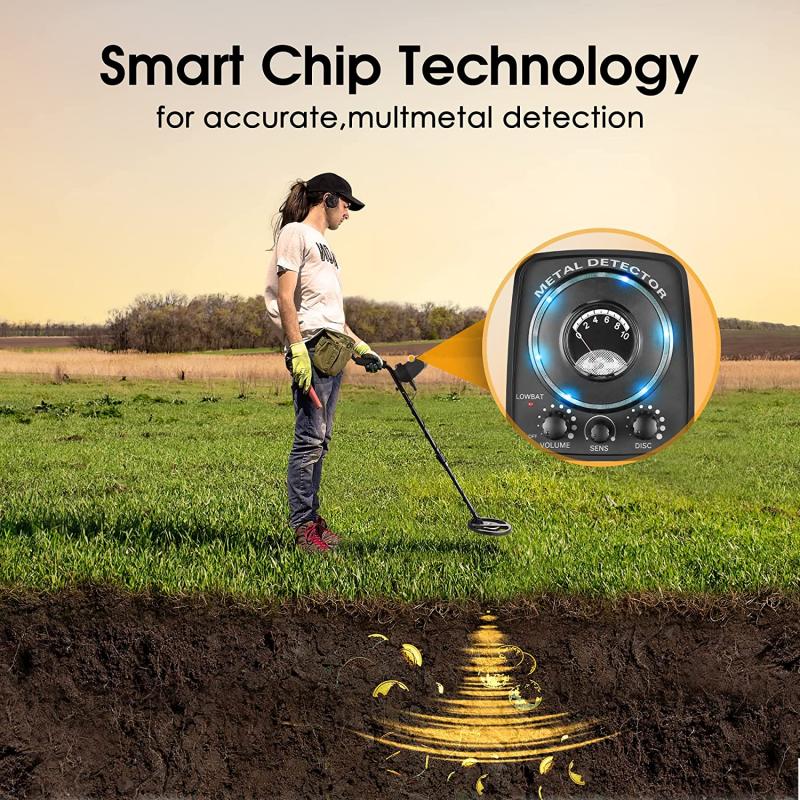
The detector itself is only part of the budget. You can technically start with just the machine, but a few accessories make detecting much easier.
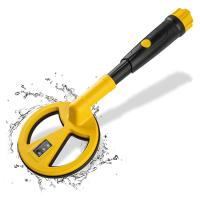
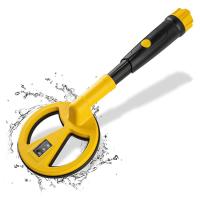
A pinpointer is the first thing I’d add. It’s a small handheld detector used after you dig the plug or scoop the sand. Without one, you may spend several minutes waving handfuls of dirt over the coil trying to locate a coin. A decent pinpointer usually costs $80 to $150. Once you use one, digging without it feels painfully slow.
You’ll also need a digging tool. A cheap garden trowel bends quickly in hard ground, especially around roots. A proper hand digger costs around $30 to $60. For fields or woods, some people use a longer shovel, but park detecting calls for neat plugs and careful recovery. Leaving messy holes is the fastest way to get detecting banned.
Headphones are another common add-on. Some detectors include them; many don’t. Wired headphones can be inexpensive, while wireless setups cost more. Headphones help you hear faint signals and save battery life, but they also keep your detector from annoying everyone nearby.
If you hunt beaches, you may need a sand scoop. A basic scoop might cost $40 to $80, while a sturdy stainless scoop with a long handle can run $150 to $250 or more. Cheap scoops are fine in soft dry sand but miserable in wet packed sand or shell-heavy beaches.
Realistically, if you buy a $350 detector, you might spend another $100 to $250 on basic gear over time.
Is a cheap metal detector worth buying?

Sometimes, yes.
A cheap detector is worth it if you’re buying for a child, testing whether you enjoy the hobby, or searching for a lost property marker, tool, or ring in a small area. Plenty of inexpensive detectors can locate large metal objects close to the surface.
A cheap detector is less worth it if you expect accurate target identification, stable performance, or good depth. Beginners often think their detector is broken because it beeps at random, misses targets, or gives confusing numbers. Sometimes the issue is technique, but sometimes it’s just a low-quality detector doing what low-quality detectors do.
The most common beginner mistake is buying the cheapest detector available, getting annoyed after two hunts, then assuming metal detecting is boring. A slightly better machine makes the learning curve much less irritating.
Should you buy used?
Used metal detectors can be a very good deal, especially when hobbyists upgrade and sell perfectly good machines. A detector that sold new for $600 may show up used for $350 to $450 depending on condition and age.
There are a few things to check before buying used:
Make sure the coil cable isn’t cracked or kinked. Check that the control box powers on cleanly and buttons respond properly. Look for corrosion in the battery compartment if it uses replaceable batteries. If it’s rechargeable, ask about battery life. A tired built-in battery can turn a bargain into a repair project.
Also check what’s included. A used detector with a pinpointer, headphones, spare coil, and digging tool may be a better buy than a slightly cheaper bare detector.
I’d be cautious with very old detectors unless you know exactly what you’re buying. Some older machines are still excellent, but others are heavy, power-hungry, and less pleasant to use than modern entry-level models.
Renting a metal detector can make sense
If you only need a detector once — for example, to find a lost wedding ring, buried sprinkler valve, property stake, or metal pipe — renting may be cheaper than buying. Rental prices vary, but $25 to $60 per day is common in many areas.
The downside is that rental detectors are often basic, and you’ll be learning under pressure. If you’re searching for a valuable lost ring, go slowly, mark your search area, and avoid digging aggressively. Rings are often closer to the surface than people expect, especially in lawns, sand, and mulch.
For lost jewelry, a local metal detecting club can sometimes help. Many experienced detectorists enjoy recovery searches, and they’ll usually have better equipment and technique than a first-time renter.
What should a beginner spend?
For most beginners, I’d budget around $300 to $500 for the detector and leave room for a pinpointer and digging tool. That gives you a setup capable of real finds without getting into expensive specialist gear.
If your budget is tight, start around $200 to $300 from a reputable brand rather than buying the cheapest no-name detector you can find. If you know you’ll hunt beaches or want waterproof performance, move closer to $500 to $800.
Spending more doesn’t automatically mean you’ll find more. Location, patience, digging cleanly, learning the tones, and understanding local ground conditions matter just as much. The best detector is the one you learn well enough to trust.
A sensible beginner setup usually costs $400 to $700 total once you include accessories. You can spend less, and many people do. You can also spend far more. But for most hobby users, that range buys a detector that feels capable, reliable, and enjoyable instead of like a toy.