How Do I Put The Strap In Camera?
Mastering the Art of Attaching a Camera Strap
One of the simplest yet most important steps in preparing your camera for everyday use is properly attaching the camera strap. This small accessory serves a critical function—it provides safety and convenience, allowing you to carry your camera securely and comfortably wherever you go. While it may seem like a straightforward task, many people struggle with it, especially those who are new to photography or unfamiliar with their camera model. In this article, we’ll walk you through the process of attaching a camera strap, answer some common questions, and provide insights into maximizing your camera’s usability and safety.
Why a Camera Strap Is Important
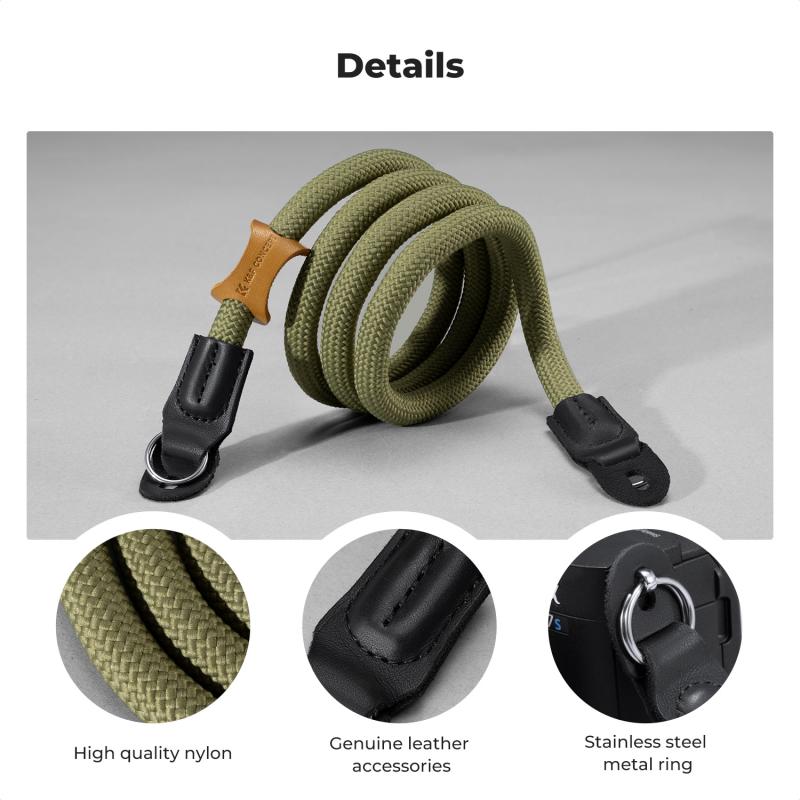
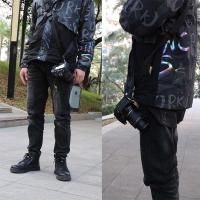
A camera strap protects your expensive piece of equipment from accidental drops and keeps it accessible while you’re on the move. Whether you're hiking, shooting at a crowded event, or taking pictures in your backyard, the strap acts as a safeguard. Additionally, it can help alleviate strain on your hands by transferring some of the weight to your neck, shoulder, or wrist, depending on the type of strap you're using.
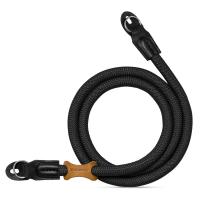
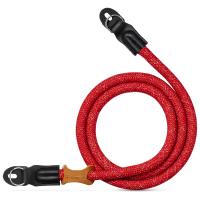
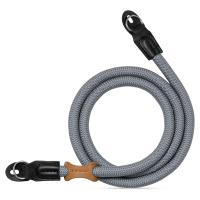
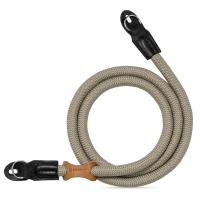
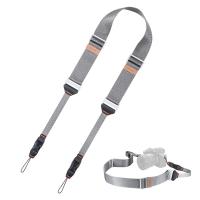
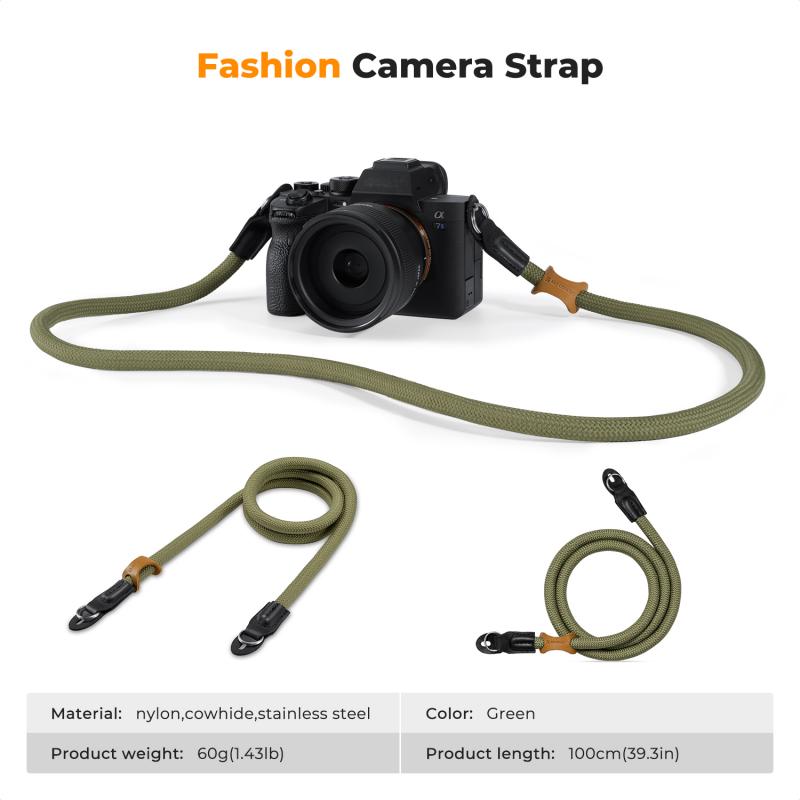
Many manufacturers supply straps with their cameras, but there are third-party options available too—some offering more comfort, style, or functionality. Regardless of the type of strap you are using, the basic principle of attaching it remains the same. Here’s how to do it correctly.
Step-by-Step Guide to Attaching Your Camera Strap
1. Understand Your Strap Design:
Camera straps typically have adjustable loops at the ends of the strap. These loops will be threaded onto the camera’s strap lugs or eyelets. Before starting, inspect the strap and identify the following components:
Loop ends: These are either flat or designed with a plastic adjuster.
Buckles/sliders: These are used to adjust the length of the strap.
Padding (optional): Some straps include extra padding for neck comfort.
2. Locate Your Camera's Strap Lugs:
All cameras have small metal or reinforced eyelets on either side of the body (usually near the top corners). These attachment points are specifically designed for straps.
3. Thread the Strap Through the Lugs:
Depending on your strap, you’ll typically find a thin, reinforced fabric or loop at each end. Take one end of the strap and thread it through one strap lug, starting from the outside and moving inward.
4. Secure the Strap End:
After threading it through the lug, bring the strap end back around and into the plastic slider or buckle attached to the strap. This creates a small, tightly fixed loop that locks the strap into place. Ensure that the strap is securely fastened and doesn’t slide out.
5. Repeat on the Other Side:
Complete the same process for the other strap lug on the opposite side of the camera. Double-check both sides to make sure they are secured correctly.
6. Adjust the Strap Length:
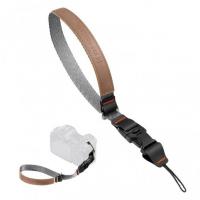
Use the sliders or buckles on the strap to set your desired length. If it’s a neck strap, you’ll want it long enough to comfortably hang around your neck or shoulder while keeping the camera accessible. For a wrist strap, make sure it’s snug enough to stay secure while still allowing free movement.
Troubleshooting Common Issues
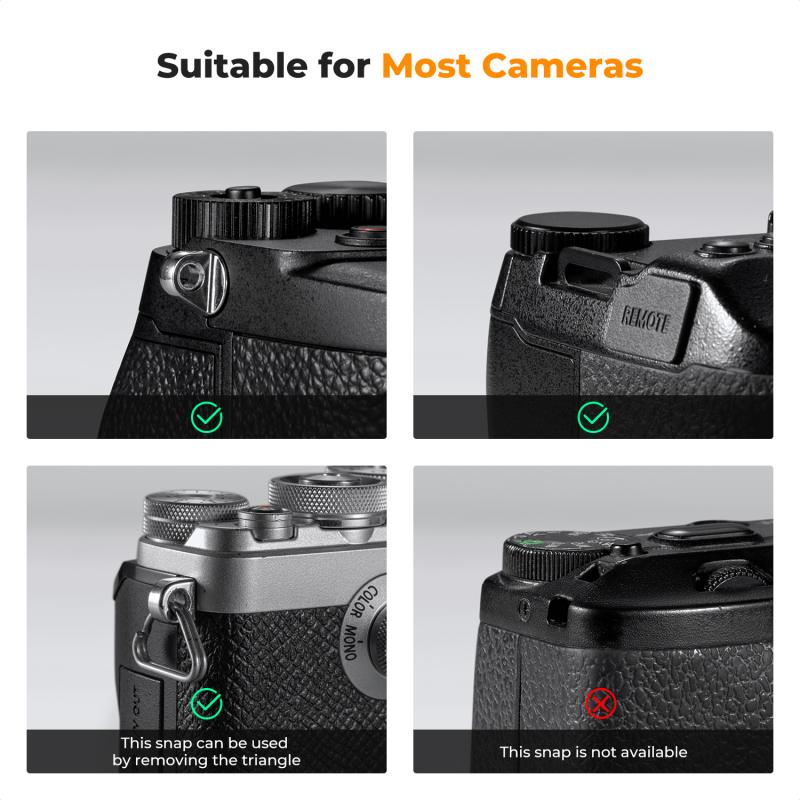
Some users encounter challenges when attaching their camera strap for the first time. Here’s how to solve common problems:
Strap Slipping Out: If the strap repeatedly slips out of the lug or buckle, double-check the threading method. Ensure the strap is looped through the buckle in the right direction to lock it securely.
Difficulty Threading Through Lugs: If the camera’s lug is too small or the strap’s fabric is too stiff, try gently folding or pressing the strap to narrow its width and ease it through. Some photographers use tweezers or similar tools to assist with threading the strap through very narrow openings.
Comfort Concerns: If the strap feels uncomfortable or too tight, invest in a padded strap or adjust the length to better fit your body. Some third-party manufacturers specialize in ergonomic designs.
Tips for Choosing the Right Camera Strap
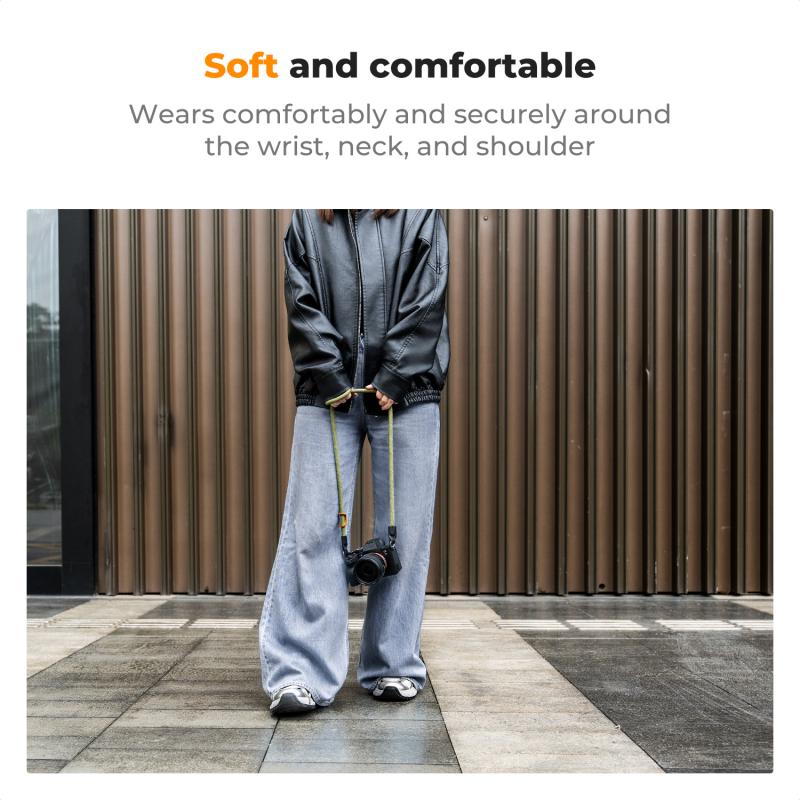
Not all camera straps are created equally, and choosing the right one can make a significant difference in your photography experience. Keep the following factors in mind when selecting a camera strap:
1. Material: Look for durable materials like nylon, leather, or neoprene. Leather offers a classic aesthetic, while neoprene and nylon provide greater flexibility and comfort.
2. Type of Strap: Decide between neck straps, wrist straps, or sling straps based on your shooting style. Neck straps are versatile; wrist straps are ideal for compact cameras; sling straps provide additional security and comfort for heavier gear.
3. Length and Adjustability: Ensure the strap can be adjusted to suit your height and preferences.
4. Weight Capacity: For cameras with heavy lenses or rigs, choose straps designed to carry heavier loads safely.
5. Features: Some straps come with extra features like quick-release buckles, tripod connections, or built-in pockets for storing small accessories.
Safety Measures to Keep Your Camera Secure
Attaching your camera strap is just the first step. Ensuring your camera stays safe and secure requires some additional precautions:
1. Regular Inspection: Periodically check the strap and attachment points for signs of wear and tear. Replace the strap if it looks frayed or compromised.
2. Double Check Fastenings: Before heading out, always double-check the strap connections to make sure they’re secure.
3. Proper Use: Avoid letting your camera hang loosely in crowded or rough environments where it may swing into objects or people. While a strap protects against accidental drops, handling the camera carefully can prevent damage from bumps.
4. Remove When Necessary: Not all shooting situations require a strap. For example, if you’re using a tripod for extended periods, you may want to detach the strap to avoid tangling or interference.
Maximizing Your Shooting Experience with a Strap
A camera strap may seem like a mundane accessory, but it can have an impact on your photography workflow. Here are a few ways to make the most of it:
1. Quick Adjustments: Learn to quickly adjust strap length for different shooting positions. For instance, shortening the strap while raising the camera to eye level can offer better control during action shots.
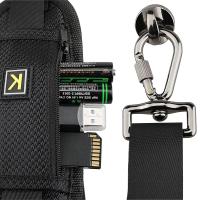
2. Accessorize: Third-party straps often offer features like clips for attaching memory card holders or battery pouches. Using these accessories can help keep small items accessible without carrying additional bags.
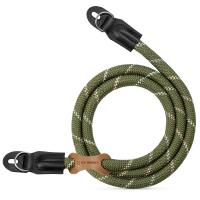
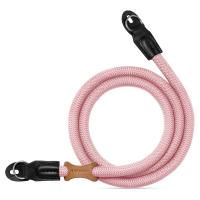
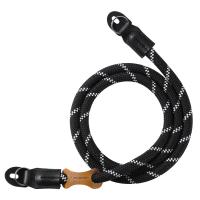
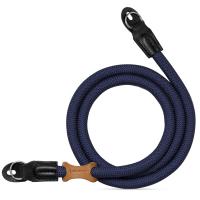
3. Style Your Gear: Many photographers use creative or colorful straps to personalize their cameras and express their style. A custom strap can also make your gear easier to identify in group settings.
Attaching a camera strap might seem like a basic task, but it’s fundamental to ensuring your camera’s safety and usability. By following the steps outlined above and paying attention to common challenges, you can securely attach your strap in a matter of minutes. Taking the time to choose a strap that matches your needs and style will further enhance your photographic experience.
As you continue your journey in photography, don’t underestimate the importance of small details like a reliable camera strap. Every element of your equipment matters—and even the most seemingly minor component plays a role in creating impactful images. Whether you’re a casual hobbyist or an aspiring professional, keeping your camera secure and accessible ensures you’re always ready to capture the perfect shot.