How Can The Sun Damage A Camera Lens?
Cameras are incredible tools that allow us to capture moments and create visual memories, but they are also delicate instruments that require appropriate care and attention. One often-overlooked yet serious risk to camera lenses is damage caused by direct and prolonged exposure to sunlight. This article seeks to answer practical questions about how the sun can damage a camera lens, why it happens, and how to prevent it.
The Physics Behind Solar Damage to Camera Lenses
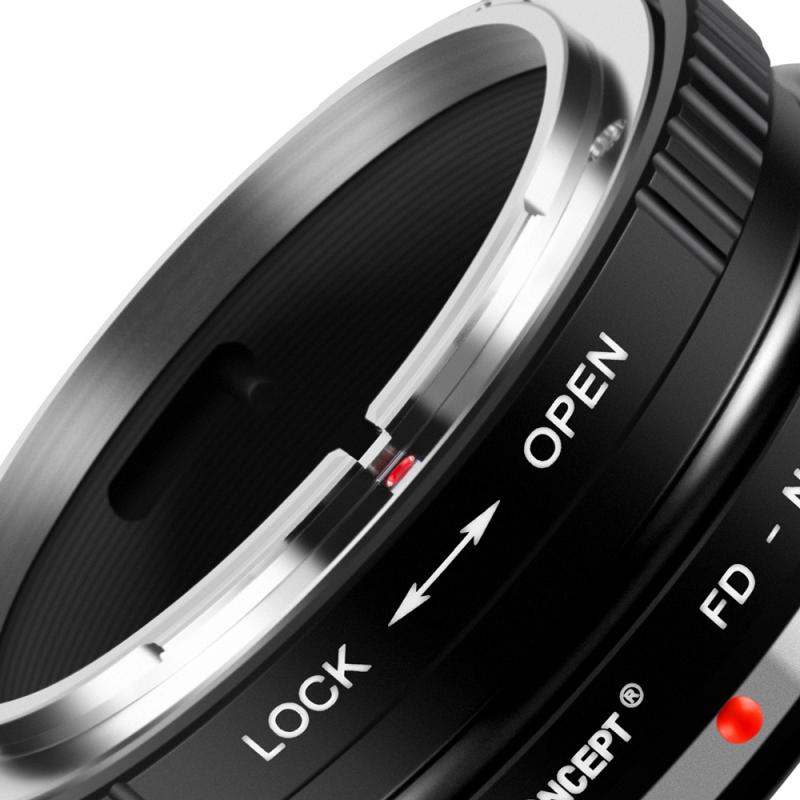
To understand how the sun can damage a camera lens, it’s helpful to review some basic physics. Camera lenses are designed to focus light onto the camera’s sensor (or film, in analog cameras) to produce an image. Essentially, the lens and its optical elements act as a magnifying glass that concentrates light.
This focusing ability becomes problematic when the lens is aimed directly at the sun, especially for an extended period of time. Here’s what typically happens:
1. Magnification of Heat: When sunlight passes through the lens, it is concentrated at a focal point, much like a magnifying glass can focus sunlight to burn paper or wood. The concentrated heat can damage internal components within the camera, including the image sensor or shutter mechanism.
2. Lens Coating Degradation: Most camera lenses come with special coatings designed to enhance image quality and reduce issues like glare and chromatic aberration. Prolonged exposure to UV light and heat from direct sunlight can deteriorate these coatings over time, diminishing the lens’s color accuracy and optical performance.
3. Sensor Damage: If you aim your camera at the sun for an extended period, especially with a telephoto or zoom lens, the sunlight may focus on the sensor and cause overheating or even pixel damage. This damage can show up as bright spots or dead pixels in your images, which are often irreversible.
4. Overheating of Electronics: Many modern cameras contain intricate electronic systems inside the body. When your camera is exposed to focused sunlight or even just the general heat of direct exposure, it could lead to overheating, causing temporary malfunctions or permanent damage.
Common Situations Where Sunlight Poses a Risk
You might wonder how frequently this situation comes up in typical use. Here are some common scenarios where your equipment could be at risk:
1. Long Exposure Shots of the Sun: Photographers who aim to capture sunrises, sunsets, or solar eclipses may inadvertently expose their camera lenses and sensors to severe sunlight intensity, especially if they don’t use appropriate filters.
2. Leaving Your Camera Outdoors: If you leave your camera out in strong sunlight, even if the lens isn’t aimed directly at the sun, the intense heat can still damage the electronics and melt certain materials.
3. Using Telephoto Lenses: Telephoto lenses, with their longer focal lengths, have a higher capacity for concentrating light and heat. Pointing them at the sun can amplify the risk of thermal damage.
Practical Tips to Prevent Sun Damage to Your Camera Lens
Fortunately, you don’t have to stop photographing outdoors or capturing shots of the sun entirely. Here are some practical ways to protect your lens and camera from sun damage:
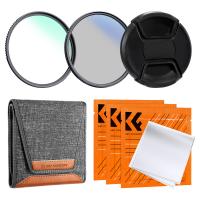
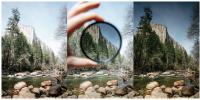
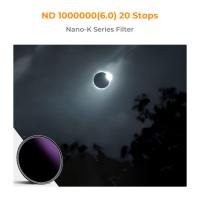
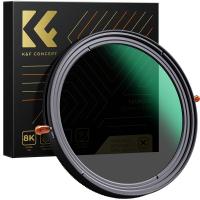
1. Use a Lens Filter: Specialized solar filters and neutral density (ND) filters can reduce the amount of light entering the lens dramatically. These filters are vital for photographing direct sunlight, such as during a solar eclipse or bright landscape shots with the sun in the frame.
2. Avoid Prolonged Exposure: Don’t point your camera directly at the sun for long periods. Even if you’re attempting a particular shot, try to limit the exposure time to minimize risk.
3. Employ a Lens Hood: A lens hood can help reduce the risk of stray sunlight entering the lens and prevent overheating when photographing outdoors.
4. Choose the Right Time: Avoid shooting during peak hours when sunlight is most intense, typically midday. Early mornings and evenings provide better lighting conditions while minimizing direct exposure.
5. Inspect Equipment Regularly: After a shooting session in bright sunlight, inspect your camera and lens for any signs of overheating, discoloration, or unusual behavior in your electronics. Early detection can prevent major issues.
6. Invest in Good Camera Storage: If you’re shooting outdoors for a long time, use a protective carrying case or shade to store your camera when it’s not in use. This keeps the sunlight from directly hitting your equipment when idle.
Myths vs. Facts About Sun Damage to Camera Lenses
The intersection of science and photography can sometimes lead to misconceptions about what can and cannot harm your camera. Let’s clear up a few common myths related to sun damage:
Myth: A UV filter will completely protect your lens from sunlight damage.
Fact: While UV filters can reduce UV light entering the lens, they don’t offer foolproof protection against concentrated heat and visible light damage from pointing your lens directly at the sun.
Myth: Camera sensors can always withstand heat because they’re inside the camera body.
Fact: Sensors are sensitive to overheating and can sustain permanent damage from prolonged exposure to concentrated sunlight.
Myth: Pointing your camera at the sun for a few seconds won’t cause any harm.
Fact: While brief exposure isn’t typically catastrophic, repeated or prolonged exposure can gradually degrade your equipment.
Considerations When Photographing Solar Phenomena
Some photographers actively seek to capture solar events, such as solar eclipses, which require pointing the camera at the sun for extended periods. If you fall into this category, here are detailed considerations you must keep in mind:
1. Solar Filters: These filters are specifically designed to reduce sunlight intensity when photographing events like eclipses. Don’t confuse them with ND filters, which are not strong enough to handle direct sunlight in these cases.
2. Tripod Stability: A sturdy tripod can help ensure the camera doesn’t accidentally move and point at problematic angles. Use tracking mounts in astrophotography to safely capture solar phenomena.
3. Test Before Shooting: Before attempting shots of the sun, test your equipment with less intense lighting conditions to ensure the settings and filters are working as intended.
These precautions can make the difference between memorable images and costly equipment repairs.
When Sunlight Damage Has Already Occurred
If you suspect your camera lens or sensor has already sustained damage from sunlight, don’t panic. Here’s what you can do:
1. Diagnose the Problem: Common signs of sunlight damage include hot pixels, burn marks on the lens, or malfunctioning electronics. Use diagnostic tools or apps to test your camera sensor’s performance.
2. Seek Professional Repair: If the damage is extensive, contacting a professional camera repair service is recommended. Attempting DIY repairs on delicate sensors or lens coatings may worsen the problem.
3. Review Warranty Policies: Some manufacturers include warranty policies covering certain types of damage. Check to see whether repairs for heat-related incidents are covered.
4. Learn for Future Incidents: Use this experience to take better precautions moving forward. Invest in tools like lens filters, protective cases, and other accessories designed for outdoor photography.
While the sun is an essential element of outdoor and nature photography, it carries inherent risks for camera lenses and sensors if proper precautions are not taken. The dangers stem from the camera’s design, which amplifies sunlight and heat, potentially leading to irreversible damage.
By employing simple measures like using lens filters, limiting exposure, and opting for protective accessories, photographers can enjoy capturing sunlit scenes without compromising their equipment. Whether you are photographing solar events or simply shooting outdoors, these preventive tips will help safeguard your tools and enhance your photographic experience.
In the end, understanding the risks posed by sunlight and knowing how to mitigate them ensures that your camera remains a trusted companion for years to come. Let this serve as a reminder: creativity thrives when paired with informed care.