Can I Micro Adjust Sony E Mount Lens?
Micro-adjusting lenses is a common practice for photographers who want to ensure their camera and lens combination delivers the sharpest possible focus. However, when it comes to Sony E-mount lenses, the process and requirements differ from those of traditional DSLR systems. In this article, we’ll explore whether you can micro-adjust Sony E-mount lenses, why you might need to, and what alternative solutions exist for achieving optimal focus performance.
Understanding Micro-Adjustment in Photography
Micro-adjustment is a feature found in many DSLR cameras that allows users to fine-tune the autofocus system for specific lenses. This adjustment compensates for minor discrepancies between the camera body and the lens, which can result in front-focusing or back-focusing issues. These issues occur when the camera's autofocus system locks onto a point that is slightly in front of or behind the intended subject, leading to soft or out-of-focus images.
In DSLR systems, micro-adjustment is often necessary because the autofocus system relies on a separate phase-detection sensor located in the camera body. This separation can introduce slight misalignments between the sensor and the lens, necessitating manual calibration.
Why Sony E-Mount Lenses Don’t Require Micro-Adjustment
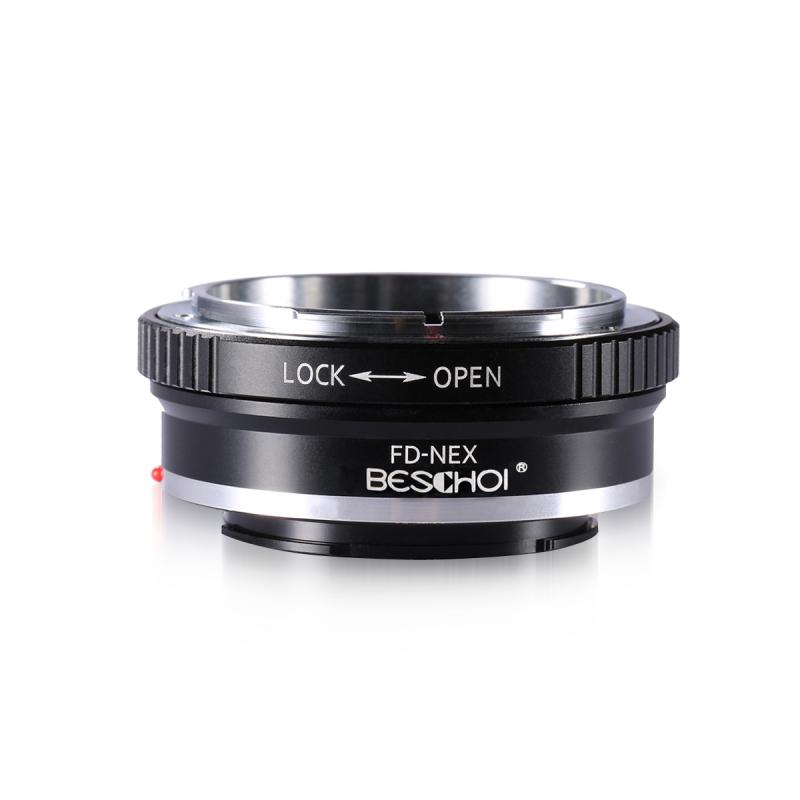
Sony E-mount cameras, including their popular Alpha series, use a mirrorless design that eliminates the need for traditional micro-adjustment. Here’s why:
1. On-Sensor Autofocus: Unlike DSLRs, Sony mirrorless cameras use on-sensor phase-detection or contrast-detection autofocus. This means the autofocus system directly measures focus on the image sensor itself, ensuring that what you see in the electronic viewfinder or on the LCD screen is exactly what the camera captures. This design inherently reduces the risk of front-focusing or back-focusing issues.
2. Lens-Camera Communication: Sony E-mount lenses are designed to work seamlessly with Sony cameras. The electronic communication between the lens and the camera body is highly precise, allowing for real-time adjustments and minimizing the need for manual calibration.
3. Firmware Updates: Sony frequently releases firmware updates for both their cameras and lenses. These updates can improve autofocus performance, address compatibility issues, and fine-tune lens behavior, further reducing the need for user intervention.
When Focus Issues Occur with Sony E-Mount Lenses
While Sony’s mirrorless system is designed to minimize focus issues, there are still scenarios where users might experience problems. These include:
- Third-Party Lenses: If you’re using third-party lenses with your Sony E-mount camera, you might encounter compatibility issues that affect autofocus performance. Some third-party lenses may not communicate as effectively with Sony cameras, leading to inconsistent focus.
- Environmental Factors: Low light, high-contrast scenes, or fast-moving subjects can challenge any autofocus system, including Sony’s. In such cases, the issue is not with the lens or camera but with the limitations of the autofocus technology.
- User Error: Incorrect settings, such as using the wrong focus mode or focus area, can also lead to perceived focus issues. For example, using a wide focus area for a subject in a cluttered scene might cause the camera to focus on the wrong element.
Alternatives to Micro-Adjustment for Sony E-Mount Lenses
If you’re experiencing focus issues with your Sony E-mount lens, there are several steps you can take to address the problem:
1. Check Your Settings: Ensure that your camera is set to the appropriate focus mode and focus area for your subject. For example, use single-point autofocus for stationary subjects and continuous autofocus for moving subjects.
2. Update Firmware: Check for firmware updates for both your camera and lens. These updates can improve autofocus performance and resolve compatibility issues.
3. Calibrate Third-Party Lenses: Some third-party lens manufacturers, such as Sigma and Tamron, offer USB docks or console systems that allow users to fine-tune autofocus performance. If you’re using a third-party lens, consider using these tools to calibrate the lens.
4. Use Manual Focus: For critical applications where autofocus is unreliable, switch to manual focus. Sony cameras offer focus aids such as focus peaking and magnification, which make manual focusing easier and more precise.
5. Test Your Gear: If you suspect a focus issue, test your camera and lens combination under controlled conditions. Use a tripod, a well-lit subject, and a focus chart to determine whether the problem is consistent and reproducible.
6. Professional Calibration: If you’re unable to resolve the issue on your own, consider sending your camera and lens to Sony or a professional service center for calibration. This is especially useful if you suspect a hardware issue.
Tips for Achieving Optimal Focus with Sony E-Mount Lenses
To get the best performance from your Sony E-mount lenses, follow these tips:
- Understand Your Autofocus System: Sony cameras offer a variety of autofocus modes and settings. Take the time to learn how each mode works and when to use it. For example, Eye AF is excellent for portraits, while Lock-On AF is ideal for tracking moving subjects.
- Use High-Quality Lenses: Sony’s G Master and Zeiss lenses are known for their exceptional optical quality and autofocus performance. Investing in high-quality lenses can make a significant difference in your results.
- Practice Good Technique: Even the best autofocus system can’t compensate for poor technique. Hold your camera steady, use a fast enough shutter speed to avoid motion blur, and ensure your subject is within the depth of field.
- Experiment with Focus Settings: Don’t be afraid to experiment with different focus settings to see what works best for your shooting style and subjects. For example, you might find that switching from wide to zone focus improves your hit rate in certain scenarios.
In summary, Sony E-mount lenses do not require traditional micro-adjustment due to the advanced design of Sony’s mirrorless autofocus system. However, focus issues can still arise in certain situations, particularly when using third-party lenses or shooting in challenging conditions. By understanding your camera’s autofocus system, keeping your firmware up to date, and practicing good technique, you can achieve consistently sharp results with your Sony E-mount lenses.
If you’re still experiencing focus problems after trying these solutions, it may be worth consulting a professional or exploring alternative lenses. Remember, achieving perfect focus is a combination of using the right tools, understanding your equipment, and honing your skills as a photographer.