Binoculars That Can Range Find?
Binoculars with Rangefinding Capabilities: A Comprehensive Guide to Choosing the Right Tool
Binoculars are indispensable tools for outdoor enthusiasts, hunters, birdwatchers, and anyone who needs to observe distant objects with clarity. However, when paired with rangefinding capabilities, they become even more versatile, offering precise distance measurements that can enhance decision-making in various scenarios. Whether you're a hunter gauging the distance to your target, a golfer estimating yardage, or a hiker planning your route, binoculars with rangefinding features can be a game-changer. In this article, we’ll explore the key considerations when choosing rangefinding binoculars, their applications, and how to maximize their utility.
What Are Rangefinding Binoculars?
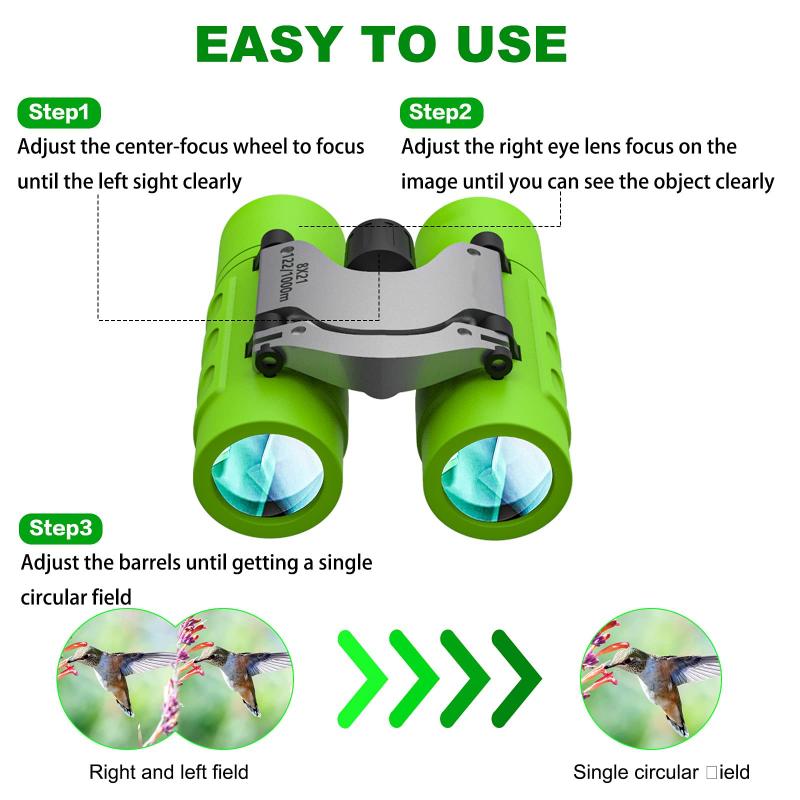
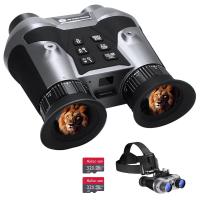
Rangefinding binoculars combine the optical clarity of traditional binoculars with a built-in laser rangefinder. This technology allows users to measure the distance to an object or target with remarkable accuracy. The rangefinder works by emitting a laser beam toward the target and calculating the time it takes for the beam to return after hitting the object. The result is displayed on the binoculars, often in the form of a digital readout.
These devices are particularly useful in situations where estimating distances by sight alone is challenging or unreliable. They are widely used in hunting, golfing, military operations, and outdoor exploration.
---
Key Features to Look for in Rangefinding Binoculars

When shopping for binoculars with rangefinding capabilities, it’s essential to consider several factors to ensure you’re investing in a tool that meets your needs. Here are the most important features to evaluate:
1. Range Accuracy and Distance
The primary function of rangefinding binoculars is to measure distances accurately. Different models offer varying maximum range capabilities, typically ranging from 500 yards to over 2,000 yards. For hunters, a range of 1,000 yards is often sufficient, while long-range shooters or military personnel may require devices with extended capabilities.
Accuracy is equally important. Most high-quality rangefinding binoculars provide measurements with an error margin of ±1 yard, ensuring reliable data for critical decisions.
2. Magnification and Lens Quality

Magnification determines how close objects appear through the binoculars. Common magnification levels for rangefinding binoculars are 8x or 10x, which strike a balance between field of view and image stability. Higher magnifications, such as 12x or 15x, may offer more detail but can be harder to stabilize without a tripod.
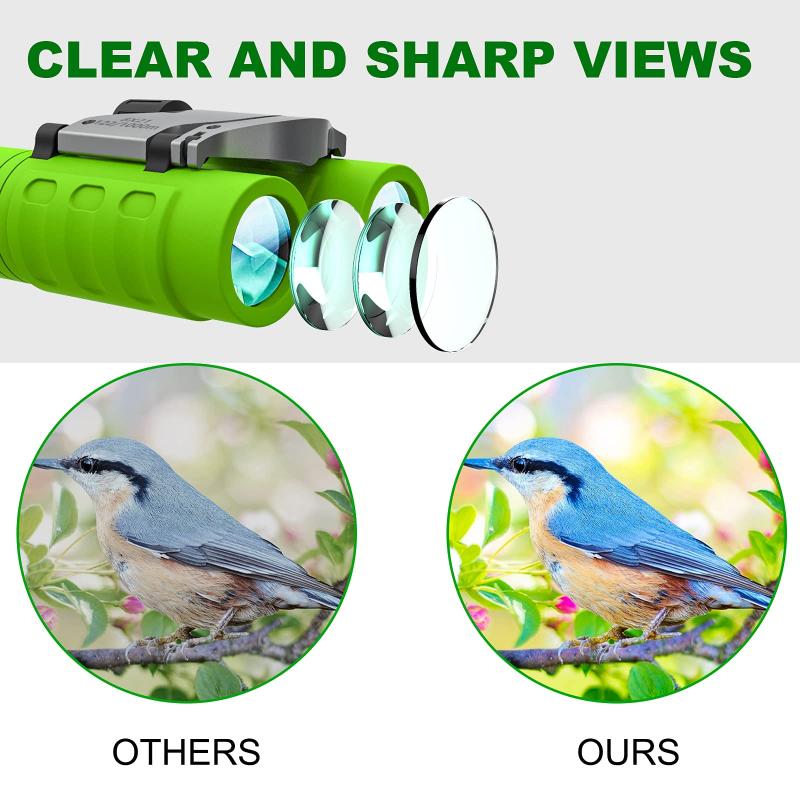
Lens quality is another crucial factor. Look for binoculars with multi-coated or fully-coated lenses, as these reduce glare and improve light transmission, resulting in brighter and clearer images.
3. Durability and Weather Resistance
Outdoor activities often expose equipment to harsh conditions, so durability is a must. Many rangefinding binoculars are built with rugged materials like magnesium alloy or rubber armor to withstand drops and impacts. Additionally, waterproof and fog-proof designs ensure the device remains functional in rain, snow, or humid environments.
4. Ease of Use
User-friendly controls and intuitive interfaces make rangefinding binoculars more practical. Look for models with ergonomic designs, simple button layouts, and clear digital displays. Some advanced models even offer Bluetooth connectivity, allowing you to sync data with your smartphone or other devices.
5. Additional Features
Some rangefinding binoculars come with extra features that enhance their functionality. These may include ballistic calculators for hunters and shooters, angle compensation for measuring distances on uneven terrain, and night vision capabilities for low-light conditions. While these features may increase the price, they can be invaluable depending on your specific needs.
---
Applications of Rangefinding Binoculars
Rangefinding binoculars are versatile tools with applications across various fields. Here are some of the most common uses:
1. Hunting
For hunters, knowing the exact distance to a target is critical for accurate shot placement. Rangefinding binoculars allow hunters to measure distances quickly and efficiently, ensuring ethical and effective hunting practices. Some models even include ballistic calculators that account for bullet trajectory, wind speed, and elevation.
2. Golfing
Golfers can use rangefinding binoculars to estimate yardage to the pin, hazards, or other landmarks on the course. This information helps players choose the right club and plan their shots more effectively.
3. Birdwatching and Wildlife Observation
While rangefinding may not be essential for birdwatching, it can be useful for estimating distances to animals or landmarks in the field. This feature is particularly helpful for wildlife researchers who need precise measurements for tracking or studying animal behavior.
4. Hiking and Outdoor Exploration
Hikers and adventurers can use rangefinding binoculars to measure distances to landmarks, assess terrain, or plan routes. This capability is especially valuable in remote areas where GPS signals may be unreliable.
5. Military and Tactical Operations
Rangefinding binoculars are widely used in military and tactical scenarios for reconnaissance, target acquisition, and mission planning. Their ability to provide accurate distance measurements in real-time makes them indispensable tools for soldiers and law enforcement personnel.
---
Tips for Using Rangefinding Binoculars Effectively
To get the most out of your rangefinding binoculars, follow these practical tips:
1. Understand the Device’s Limitations
While rangefinding binoculars are highly accurate, their performance can be affected by factors such as weather conditions, target reflectivity, and terrain. For example, measuring distances to highly reflective surfaces like metal or glass is easier than to non-reflective surfaces like trees or animals.
2. Practice Regularly
Using rangefinding binoculars effectively requires practice. Spend time familiarizing yourself with the controls, display, and rangefinding process. Regular use will improve your speed and accuracy in real-world scenarios.
3. Maintain Your Equipment
Proper care and maintenance are essential for ensuring the longevity of your binoculars. Clean the lenses regularly with a microfiber cloth, store the device in a protective case, and avoid exposing it to extreme temperatures for extended periods.
4. Use Angle Compensation for Uneven Terrain
If you’re measuring distances on slopes or uneven terrain, angle compensation can provide more accurate readings. This feature adjusts the distance measurement based on the angle between you and the target.
5. Pair with Other Tools
For advanced applications, consider pairing your rangefinding binoculars with other tools like GPS devices, ballistic calculators, or smartphone apps. This combination can provide a comprehensive set of data for decision-making.
---
Popular Brands and Models
Several reputable brands offer high-quality rangefinding binoculars. Here are a few popular options to consider:
- Leica Geovid Series: Known for their exceptional optical quality and precise rangefinding capabilities, Leica binoculars are a favorite among hunters and outdoor enthusiasts.
- Bushnell Fusion X: These binoculars offer a great balance of affordability and performance, with features like angle compensation and a durable design.
- Vortex Fury HD: Vortex is renowned for its rugged and reliable optics, and the Fury HD series includes advanced features like ballistic calculations and Bluetooth connectivity.
- Zeiss Victory RF: Zeiss binoculars are synonymous with premium quality, offering unparalleled clarity and rangefinding accuracy.
---
Binoculars with rangefinding capabilities are powerful tools that can enhance your outdoor experiences, whether you’re hunting, golfing, birdwatching, or exploring nature. By understanding the key features, applications, and best practices for using these devices, you can make an informed decision and maximize their utility.
Investing in the right rangefinding binoculars requires careful consideration of your specific needs, budget, and intended use. With the right choice, you’ll gain a reliable companion that provides both optical clarity and precise distance measurements, empowering you to navigate the world with confidence and precision.