What Is The Best Tripod For Landscape Photography?
What I Prioritize
- carbon fiber construction: lightweight and vibration-dampening
- high load capacity: handles any camera and lens combination
- low weight: for long hikes and backpacking
- excellent height range: from low-angle to eye level
- quick leg locks: fast setup in changing light
- sturdy, smooth ball head: precise framing without drift
Tripods are not as simple as they seem. there are a surprising number of versions, materials, and functions that they serve, at all price points.
A good tripod is your best friend for landscape photography because it’ll allow you to take photos that would otherwise be impossible.
The main use is to get a long shutter speed without ruining the sharpness of a photograph. but they’re also extremely useful for making panoramas and hdr photographs.
The ultimate tripods for landscape photography are both sturdy and lightweight, with a pan+tilt head.
Tripods are tricky purchases. bigger heavier ones are best usually but who wants to carry that?
One thing to keep in mind is how tall the tripod is without the center column being extended. if you're taller then you'll have to bend over to use a lot of them and extending the center column loses stability.
Yeah, there is no one best tripod. they’re all tradeoffs of size vs. stability vs. price vs. whatever extra features you may want.
Height, Stability, and Leg Sections
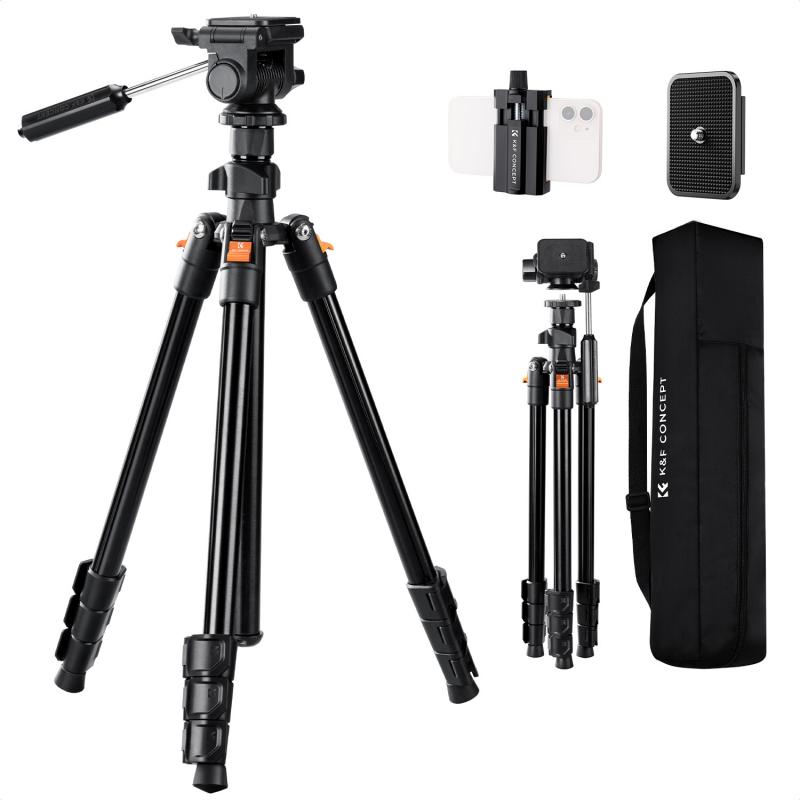
- the taller you extend your tripod, the less stable it's going to be.
- whenever possible, try to work with fewer leg sections extended to maximize stability.
- travel tripods often have 5 sections, which allows them to be packed smaller, but they lose a lot of stability in the process.
- the reason to get the smallest center column possible is so you can get as low to the ground as possible.
- maximum height is far less important for photography than minimum height.
When it comes to choosing a tripod, i think your height is just as important as the weight, sturdiness, and stability.
One thing i really love about having this extra height is how useful it is on uneven terrain.
With this extra height, you can easily set the tripod at eye level, even on tricky ground, making everything so much easier and more comfortable to work with.
Or maybe you find yourself in a spot where you need that extra height to shoot over a fence or wall, or just a few more centimeters to better separate the elements in the frame.
Another advantage of its height is that, if you use it in a normal height position, just unfolding only the thickest two sections, you can get an extreme stability.
The thinner section doesn't have to extend at all.
You’ll need more stability if you’re using a longer lens too.
For long hikes i would consider a carbon fiber version of the 190.
FLM CP30-L4 II Carbon Fiber Tripod
- Max height
- 173.5 cm (68.3”).
- Folded length
- 58.42 cm (23”).
- Minimum height
- 9.1 cm (3.6”).
- Weight
- 1.41kg (3.1 lb).
- Load capacity
- 20kg (44.1 lb).
- Tube dimensions
- 30mm, 26mm, 22mm, and 19mm in the last section.
The cp30-l4 ii is a 10x carbon fiber series tripod from flm with an excellent build quality.
The 'cp30' in the name refers to the maximum leg diameter, while 'l4' indicates that the tripod has four longer leg sections with three leg locks.
I feel like a maximum tube diameter of 30 millimeters is really a sweet spot for a lot of photographers.
It gives you great stability without making the tripod too heavy or too light, which was one of my top priorities for choosing a new tripod.
The legs are incredibly sturdy, which is something i’m super impressed by.
Being carbon fiber it does an excellent job of absorbing some vibrations that come up through the legs.
I haven’t really noticed any loss of sharpness in my shots, even during long exposures.
Considering how lightweight and tall the cp30-l4 is, its sturdiness is really remarkable.
The cp30-l4 ii comes with no center column, which was actually something i specifically wanted in my new tripod.
Without a center column, you control the height by extending or shortening each leg individually, which takes slightly more time than simply raising or lowering a center column.
A tripod with a center column is not going to be nearly as stable at maximum height.
Locks, Apex, and Feet
- flm tripods feature beautiful aluminium and not rubber coated twist locks like other manufactures.
- they have a weather sealing o-ring that helps to keep out dust and moisture.
- it's a quarter turn to loosen them, and that makes things faster when you're working in the field.
- if you keep twisting, the leg section comes off completely, so you can clean and take care of your tripod.
- the 60mm diameter top plate can support different tripod heads within the 20kg payload range.
- all screws are stainless steel, so you won’t have any issues with saltwater when shooting seascapes.
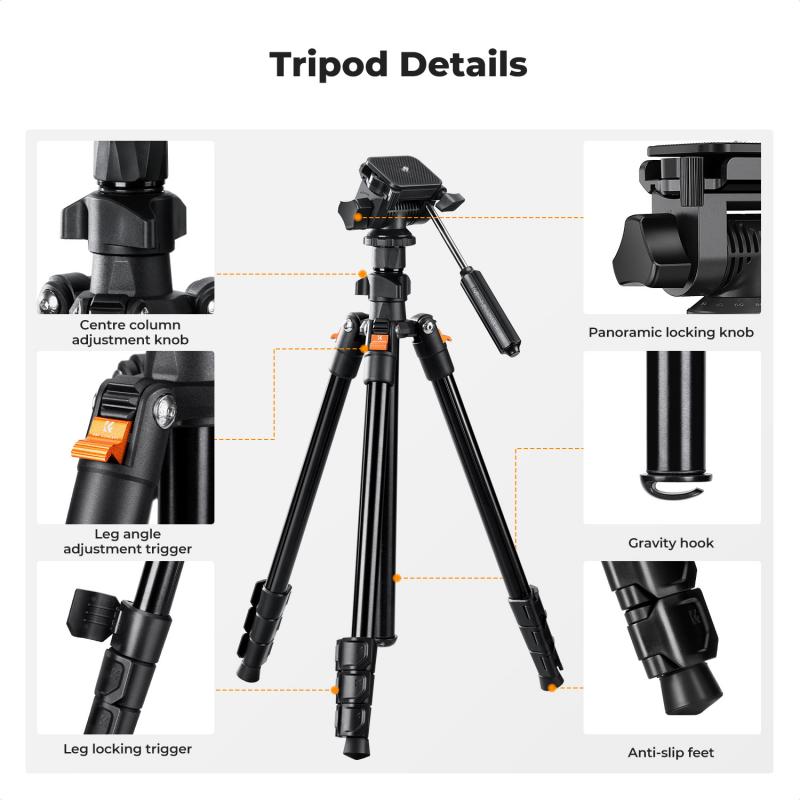
- the cp30-l4 ii comes with large, sturdy rubber feet that work really well on various surfaces.
- the cp30 also comes with high-quality 4 cm stainless steel spikes that you can easily swap out for the rubber feet.
One key advantage of twist locks is how easy they are to clean.
This is a big help if you’re working in sand, saltwater, or in some extreme kind of conditions.
The built quality of the apex is excellent.
One of the key advantages of this fixed-apex design is its compactness—it allows the tripod to fold down with a smaller diameter, making it super convenient to pack for hikes or slip into your luggage when traveling.
It has a foam core material that helps with slip resistance and reduces vibrations when the ball head is attached.
The leg lock mechanism is hands down the best i’ve ever used.
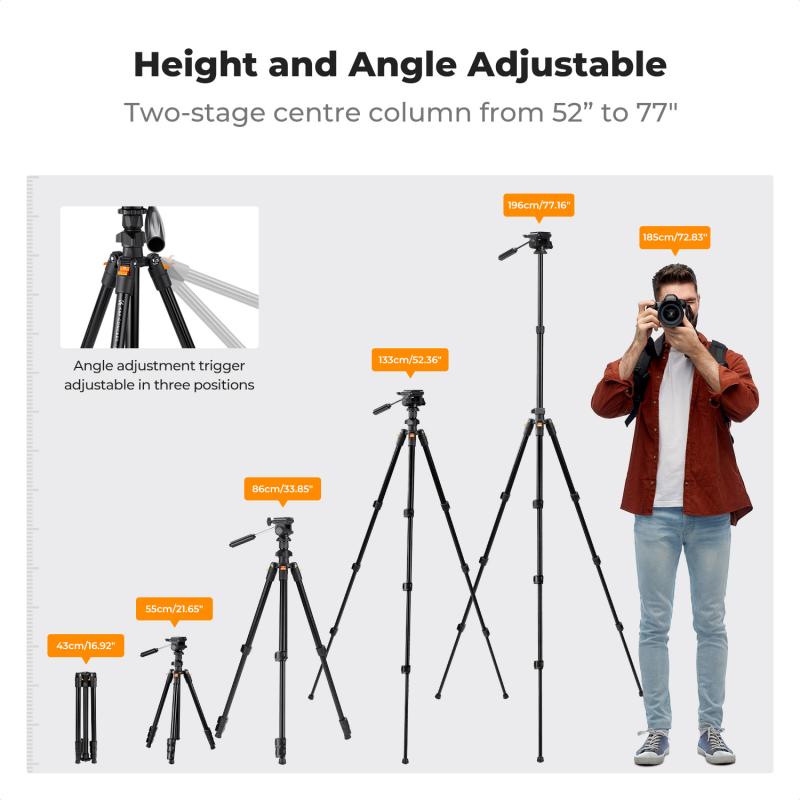
You can adjust it to three angles, even going nearly flat with the ball head for low-angle shots.
I love using them on softer terrains because they dig in and give the tripod a much more solid grip, stopping it from sinking or wobbling.
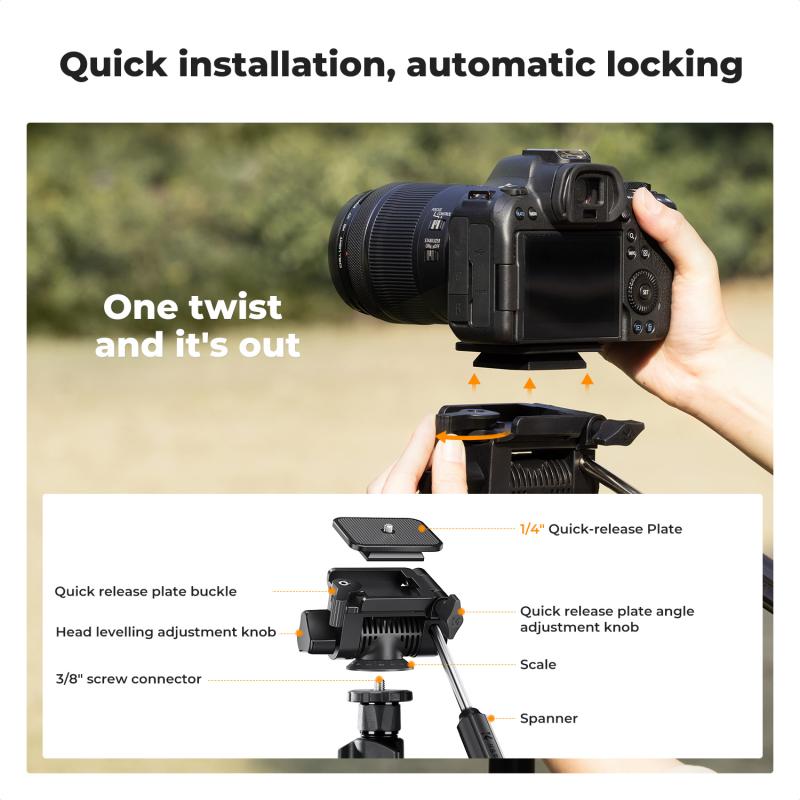
Tripod Heads and Panoramas
- some people prefer ball heads, while others prefer pan-and-tilt heads.
- ballheads are ideal for hiking, landscapes, etc.
- a good tripod system isn’t complete without a solid ball head.
- the ball head with the clamp weights 456g, so it’s remarkably light for its substantial ball size.
- the 55mm ball is solid and easy to work with.
- the 55gx comes with two knobs—a panning knob, and a 15° degrees stop knob.
- it allows precise 15° rotation increments, which is perfect for capturing wide scenes.
Mounted on the top i have the 55gx ball head from the new flm gx series, which pairs perfectly with the cp30-l4 tripod.
It’s topped with the qlb-60 lever clamp, and the whole setup comes in at about $359.
The tripod and the ball head together is just barely over 1.8kg (4 lb), which means it’s still very portable and lightweight.
What i love most about this ball head is that there’s no drop whatsoever—once it’s positioned and tightened down, it’s locked solid.
It’s arca-compatible so i can use my l-bracket and peak design camera plates i have on each of my cameras and that i use with the peak design capture clip.
If you’re a panorama lover like me, the bubble level is really essential for keeping the tripod perfectly level, ensuring each shot lines up smoothly and making the stitching process much easier.
The panoramic head allows the camera to stay perfectly aligned between photos.
Having a tripod head that can do this is essential when you’re making panoramas, especially if it’s going to be over 2 or 3 rows.
Landscape Tripod Comparisons
- FLM vs Leofoto
- For a similar price, the cp30-l4 is 20cm taller, 200g lighter, has an additional 5kg load capacity, the same minimum height, and is only 2.5cm longer when folded.
- FLM vs ProMediaGear
- It’s 470g lighter, has a lower minimum height, and a shorter folded length.
- FLM vs Really Right Stuff
- The flm is about 5cm taller, 270g lighter, has a smaller minimum height, and the same folded length.
- Benro Mammoth TMTH44C
- For landscape photography it ticks almost every box: stability, height, very low shooting positions, and a bowl that makes levelling fast.
These are all great tripods, and any of them could be a solid choice.
The flm 55gx ball head with the qlb-60 lever clamp is the lightest at just 456g—almost half the weight of the others.
The Benro Mammoth TMTH44C carbon-fibre tripod has a max height of approximately 160cm without a column, a minimum height of approximately 14cm, and a payload rating of up to 25kg.
The very low minimum height is a real asset.
Being able to get the camera down around 14 cm off the ground opens up foreground-driven compositions that simply aren’t possible on taller-minimum systems.
The 75 mm bowl also makes levelling for panoramas or precise horizons much quicker.
Instead of fighting individual leg lengths, you can get the base level and then fine-tune with the head.
That said, the best tripod is the one that can do what you want it to do, when you need it to do it, and a lot of this is down to personal preference.