How To Get Good Video Lighting?
Lighting is one of the most critical elements when it comes to creating high-quality videos. Good video lighting can enhance the clarity of your subject, set the mood, and elevate the overall production value of your content, whether you're filming a TikTok video, streaming on Twitch, or shooting a professional documentary. Unfortunately, poor lighting can ruin a great video, no matter how good the script, acting, or editing. The good news is that achieving good video lighting doesn’t always require expensive equipment. Understanding the principles of lighting, utilizing cost-effective solutions, and practicing different setups can help you produce high-quality visuals. Below, we break down everything you need to know about achieving great lighting for your videos.
1. Understand the Basics of Video Lighting
Before diving into specific setups and tools, it's essential to understand how lighting generally works for video production. Here are some key concepts:
Light Direction: The direction from which light hits your subject can greatly affect the mood and appearance of your video. For example:
Front lighting minimizes shadows and creates a flat, well-lit appearance.
Side lighting introduces more dramatic shadows and depth.
Backlighting can highlight silhouettes or separate your subject from the background.
Light Intensity: The strength of your light source matters. Overly bright lights can cause overexposure and harsh shadows, whereas insufficient lighting can result in grainy footage. Aim for a balanced light intensity.
Color Temperature: Light comes in various color temperatures, measured in Kelvin (K). Warm light typically has lower Kelvin values (around 2,700–3,500K), while cool/blue light has higher Kelvin values (5,000–6,500K). Consistency in color temperature is essential for professional-looking videos, so try to match all your light sources.
Soft vs. Hard Light: Soft light creates smooth, diffused lighting with reduced shadows, ideal for interviews or beauty content. Hard light produces sharp, defined shadows, which can be used for dramatic effect but is rarely flattering for subjects like people.
2. Use Natural Light as a Starting Point
If you're on a tight budget or just starting out, natural light is a fantastic option. Here are tips for using it effectively:
Shoot During Golden Hour: Golden hour, which occurs shortly after sunrise or before sunset, provides soft, flattering light that is perfect for many types of videos.
Avoid Direct Sunlight: Shooting under direct sunlight—particularly at noon—often yields harsh shadows. If you must shoot during mid-day, consider finding shade or using a diffuser to soften the light.
Position Your Subject Strategically: Place your subject facing or at an angle to a window to capture soft, natural light. Avoid having the light source behind them unless you're aiming for a silhouette.
3. Invest in Basic Equipment
For consistent and controllable lighting, artificial lights are usually the best choice. You don't have to buy expensive lights to see a significant improvement in your video quality. Some affordable and beginner-friendly equipment includes:
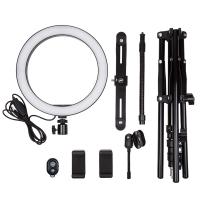
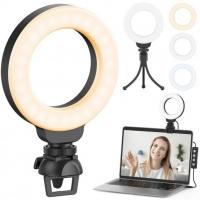
Ring Lights:
- These are popular for beauty gurus, vloggers, and streamers. They provide even illumination and eliminate most shadows, creating a well-lit, flattering appearance for faces.
- Ring lights are especially useful for close-ups or tutorials.
Softbox Lights:
- Softboxes soften the light, mimicking natural window light. They are versatile, making them ideal for interviews, product reviews, and even indoor cinematic projects.
- They’re great for reducing harsh shadows, offering a professional look.
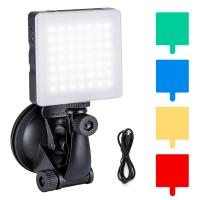
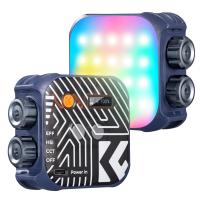
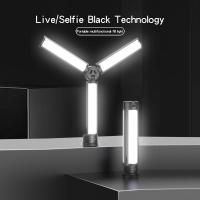
LED Panels:
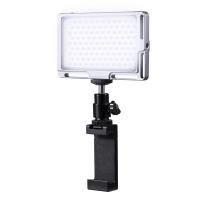
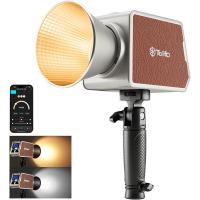
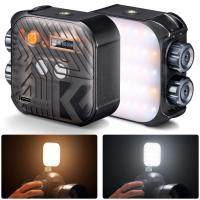
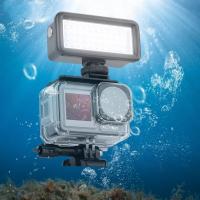
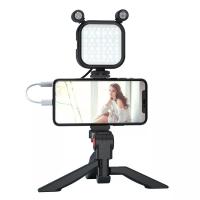
- LED panels are lightweight, versatile, and widely used for video production. Many of them are dimmable and allow you to adjust the color temperature. LED panels are perfect for creating balanced lighting in various scenarios.
Clamp or Desk Lamps:
- If you're on a limited budget, regular clamp or desk lamps fitted with LED bulbs can provide functional, adjustable lighting. Use them with diffusers (e.g., white fabric or wax paper) to soften the light.
4. Master the Three-Point Lighting Setup
The three-point lighting setup is a standard lighting arrangement that professionals use to create natural-looking and visually appealing videos. Here's how it works:
Key Light:
This is the main light and is usually positioned at an angle to the subject. It establishes the overall lighting and highlights the subject. A softbox or LED panel is often used as the key light.
Fill Light:
The fill light reduces shadows caused by the key light. It’s placed opposite the key light and is often less intense. A ring light, small LED, or even a reflector can serve as your fill light.
Backlight (or Rim Light):
This light separates your subject from the background and adds depth to your composition. Position it behind the subject, angled slightly downward. Even a simple desk lamp can work as a backlight.
5. Control Shadows and Reflections
- Use reflectors to bounce light and reduce harsh shadows. A DIY reflector can be made out of white foam board or aluminum foil.
- Flag off or block unnecessary light using black panels, curtains, or other objects. This will ensure the light only hits where it’s needed.
- Diffuse light sources with soft, translucent materials like a light-diffusing umbrella, a store-bought diffusion panel, or DIY materials like shower curtains or parchment paper.
6. Optimize Background and Environment
Lighting isn't just about your subject—it also affects your background. Pay attention to the following:
Eliminate distractions: Ensure your background is not overly cluttered or chaotic. A clean, minimalistic background can draw more focus to the subject.
Match lighting levels: If your background is too dark compared to your subject, consider using an additional light source to illuminate it subtly.
Use accent lights: Colored LED strips or small lights can add style or mood to your background.
7. Adjust Lighting for Specific Scenarios
Every type of video has unique lighting needs. Here are examples of how to approach different video genres:
Interviews/Talking Head Videos: Use the three-point lighting setup for natural and professional results. To further enhance the subject, add a subtle background light to create a sense of depth.
Product/Flat-Lay Videos: Use softbox lighting from above and the sides. Ensure the product is illuminated evenly without harsh shadows or reflections.
Narrative Cinematic Videos: Mix lighting intensities and colors to match the scene’s mood. Experiment with hard lights for dramatic storytelling or soft lights for romantic or dreamlike setups.
Live Streaming: Invest in a ring light or corner LED panels to ensure your face is evenly lit. Place the key light slightly above eye level and experiment with color RGB lights for a more engaging background.
8. Avoid Common Lighting Mistakes
Even with excellent equipment, beginners often make lighting errors. Avoid these common mistakes:
Relying Solely on Overhead Lights: Harsh ceiling lights often create unflattering shadows under the eyes and nose.
Ignoring Light Balance: Mix-and-matching light temperatures (e.g., tungsten and daylight) can result in a clashing, unnatural look.
Overexposing Your Subject: Too much light can wash out facial details or background elements. Dim your light source or add diffusion if this occurs.
9. Practice and Test Your Setup
Each filming environment is different, so don’t assume a single setup will work perfectly in every scenario. Take the time to test your lighting setup at different times of the day, in various locations, and under different conditions. Analyze your footage closely and make adjustments to light placement, intensity, or diffusion.
10. Use Post-Production Editing for Final Adjustments
Even with a perfect lighting setup, edits during post-production can fine-tune your video. Tools like Adobe Premiere Pro, Final Cut Pro, or DaVinci Resolve have color correction features that can help you adjust exposure levels, increase or diminish highlights, and even fix mixed lighting issues.
In conclusion, getting good video lighting starts with understanding basic principles and moves into creating thoughtful setups based on your specific needs. Whether you’re relying on natural light or building a professional-grade setup, consistency is key. Practice, experiment, and most importantly—don’t feel pressured to invest in costly tools when affordable alternatives can deliver professional results. After all, great lighting is less about gear and more about mastering the art of using light effectively!