When Do You Need A Tripod?
If you want to do any kind of photography with shutter speeds longer than around 1/60th of a second, you are going to need a tripod so you don't end up with blurry images as a result of your hand movements. While you don't always need a tripod, having one gives photographers the flexibility to create the images they want to create. Tripods make it possible to create better images using HDR, panoramas, and long exposures. The determining factor for when you need to use a tripod comes down to shutter speed — the slower your shutter speed is, the more likely you need a tripod.
Shutter Speed and the Focal Length Rule
You don't need a tripod if your shutter speed is fast enough, which it probably is when shooting during bright daylight. A good rule of thumb is that if your shutter speed is at least 1.5x to 2x times your focal length, you probably don't need a tripod to eliminate shake. As a general rule, the minimum shutter speed recommended is one that's twice as fast as the focal length on your lens.
- If you're shooting with a 35mm lens, you need a shutter speed faster than 1/70th of a second to get tack sharp photos handheld.
- If it's a 400mm lens, then you need 1/800 of a second.
- If you're zoomed to 55mm, shoot at 1/110th of a second or faster.
- Any slower than the focal length formula allows, and it's time to use a tripod.
It also depends on the camera and lens, and if they have any kind of stabilisation. Five years ago photographers were able to get away with a slower shutter speed, but cameras today have sensors with higher resolutions. Higher resolution means that they are also more likely to capture motion blur — you'll notice motion blur much less on a cell phone than you will on a Nikon D850.
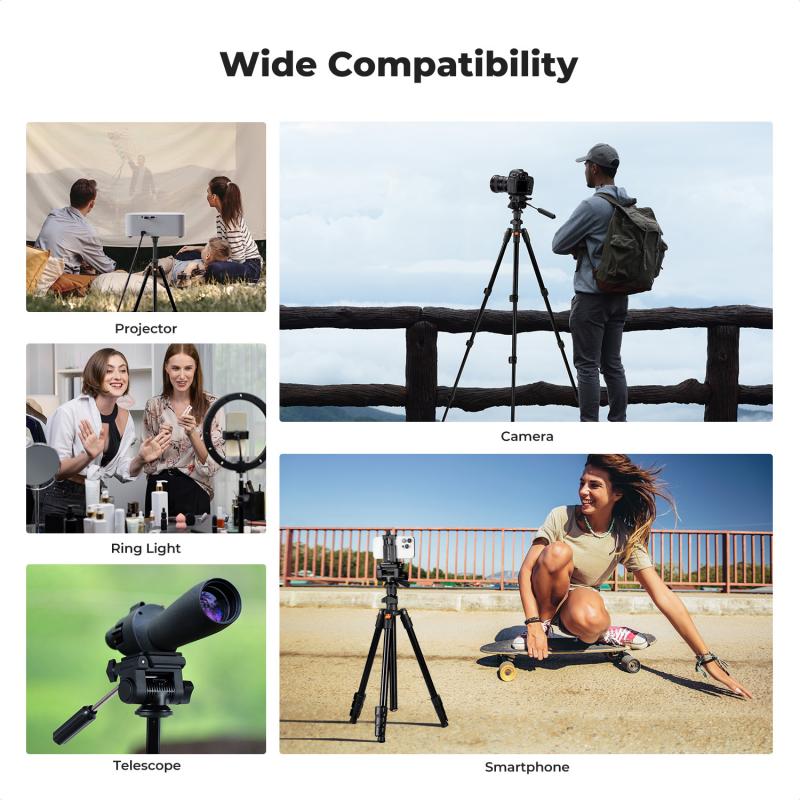
Photography Situations That Require a Tripod
- Long Exposure Photography
- Long exposure photography, where you try to capture the movement of the world around you by opening the shutter for periods of time measured in seconds, and sometimes minutes, requires a tripod. There's no way you are going to be able to hold the camera still for that long in your hands. If you want to take landscape photos with a blurry river effect when your shutter speed is long, you definitely need a tripod.
- Landscape Photography
- For landscape photography, one of the most important camera settings is the aperture. Using an aperture of at least f/8 and up to f/16 for the majority of landscape shots ensures a wide depth of field with everything clearly in focus. Unfortunately, those narrow apertures reduce the light coming in, which means you either need to reduce the shutter speed or increase the ISO. Since increasing the ISO will introduce noise, the only option is to reduce the shutter speed — which means sitting the camera on a tripod to avoid hand shake. Landscape photos, especially using a camera without image stabilization, should be shot from tripods whenever possible.
- HDR Photography
- High dynamic range photography allows you to take shots in challenging lighting conditions, where there is an extreme contrast between the dark and light parts of the image, such as a bright sky and a shadowy foreground. Those shots need to be lined up perfectly. If there's motion in the photo, you'll end up with some weird patchy ghosting that Lightroom and Photoshop might not be able to remove. And if the details aren't fully lined up, solid lines turn into an unsharp mess.
- Panoramas
- When shooting a panorama, taking a bunch of photos from left to right handheld and hoping software can make something out of it sometimes works, but in most cases the photos will be stitched together with a number of holes. Using a tripod with a pan and tilt head allows you to easily keep the camera in line while panning left to right.
- Time-Lapse Photography
- A time lapse is a sequence of images shot a certain number of seconds apart, and then turned into a video which speeds up the action. It's hugely important that the frames are aligned, so a tripod is essential to time-lapse photography.
- Astrophotography
- The stars pose the unique challenge of being only visible when it's quite dark. When it's dark, the exposure triangle requires shooting at both long exposures and, in many cases, at high ISOs and low apertures as well. Astrophotography certainly necessitates a tripod.
- Video
- Video looks a million times better when shot on a tripod. Wobbly hand-held video screams amateur. Stabilising your video with a tripod will instantly make it look more professional.
- Wildlife Photography with Long Lenses
- When shooting wildlife, you tend to need a big telephoto lens that lets you capture images of subjects that are further away. Those big heavy lenses can be very heavy, and holding your camera up to your eye ready to catch a moment can quickly become tiring. A tripod or photography bean bag helps support the weight.
When You Can Skip the Tripod
Tripods are very helpful and necessary in some situations and completely useless in others. For run-and-gun photography you probably won't need a tripod. Street photography, event photography, and nightlife photography are situations where a tripod can feel like a hindrance — too much to move around in close quarters, and a tripod is the defacto sign that somebody is literally taking your photo right now, which is not good if you want to capture authenticity.
- Shooting during bright daylight when shutter speeds are fast enough
- Street photography where you need to be discreet
- Event photography where mobility is required
- Any situation where shutter speed is at 1/100th of a second or faster and shake will not be noticeable
- Shooting at ISO 200 and at 1/125th of a second or faster with a 55mm lens, especially with image stabilization
If a tripod is too cumbersome, a monopod could be an alternative. Something like a Sirui P 306 is super cheap, very compact, light, and can also be used as a walking stick. Using a monopod together with bracing your body against something solid closely approaches the stability of a tripod.
Why Photos Are Still Blurry on a Tripod
- The tripod itself may be too light or extended to maximum height. If you keep the tripod lower to the ground, you're using only the sturdiest parts, which will better resist vibrations.
- Even pressing the shutter while the camera is on the tripod will introduce camera shake. Fix this by setting a two-second timer so you can press the shutter, stand back, and wait for the camera to finish before touching it again.
- Anything loose dangling from the camera can introduce shake — remove any straps or accessories that move freely.
- Wind can cause movement. Try blocking the wind with your body, or find a small alcove to get out of it.
- Some tripods have a hook on the bottom for attaching a weight or sandbag, which helps resist vibrations.
- If doing night photography using manual focus, it's very easy to have the camera just slightly out of focus. Fix this by using live mode and zooming in on the area with the most contrast, or the brightest star in the sky.
Tripod and Composition
Tripods can also be a very convenient way to take photos from a composition standpoint — making small changes in settings while not having to reframe, or simply not having to hand-hold while waiting for certain elements to change. When you have your camera in your hand, it's all too easy to just put it up to your eye and press the button without thinking too much about your composition, framing, and subject matter. When you use a tripod, everything takes a bit longer. You have to set up the tripod, adjust the positioning of the camera, make sure everything is level, and so on. This process will slow you down, and force you to really think about your shot, which can lead to much better results.
Choosing a Tripod
There are three main factors to consider when choosing a tripod: price, weight, and stability. There is a saying that you can have two out of those three factors that make you happy, and the third will make you sad.
- Weight capacity: Tripods will have guidelines for how much weight they can hold. You need to be sure that anything you purchase can hold the weight of your gear with lenses. Something perfectly capable of holding a mirrorless camera system might struggle to cope with a full frame DSLR and a high-end telephoto zoom lens.
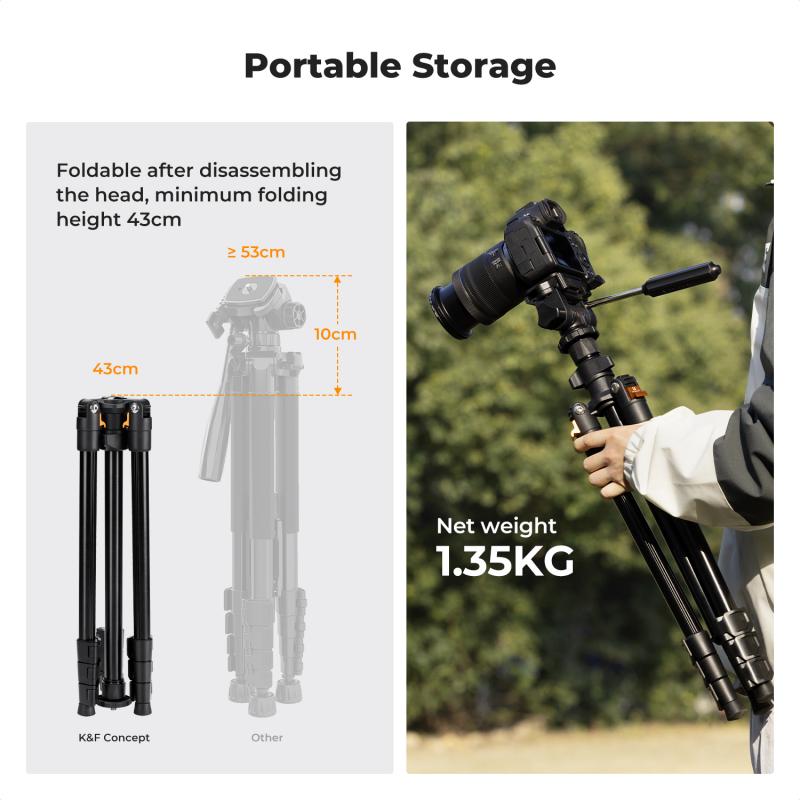
- Tripod weight: The sturdier the tripod, the more it is going to weigh. You can reduce the weight by investing in tripods made from more exotic materials, but that directly impacts the price.
- Price: Tripods come in all sorts of prices, from really poor quality tripods costing less than $50, through to expensive tripods costing in excess of $1,000. The sweet spot is from around $100 to $500 depending on the features, stability, and weight savings you are looking for.
- Release system: Most camera systems use an "Arca-Swiss" compatible design, so you screw a mounting plate onto the bottom of your camera and can slide the camera on and off the tripod easily.
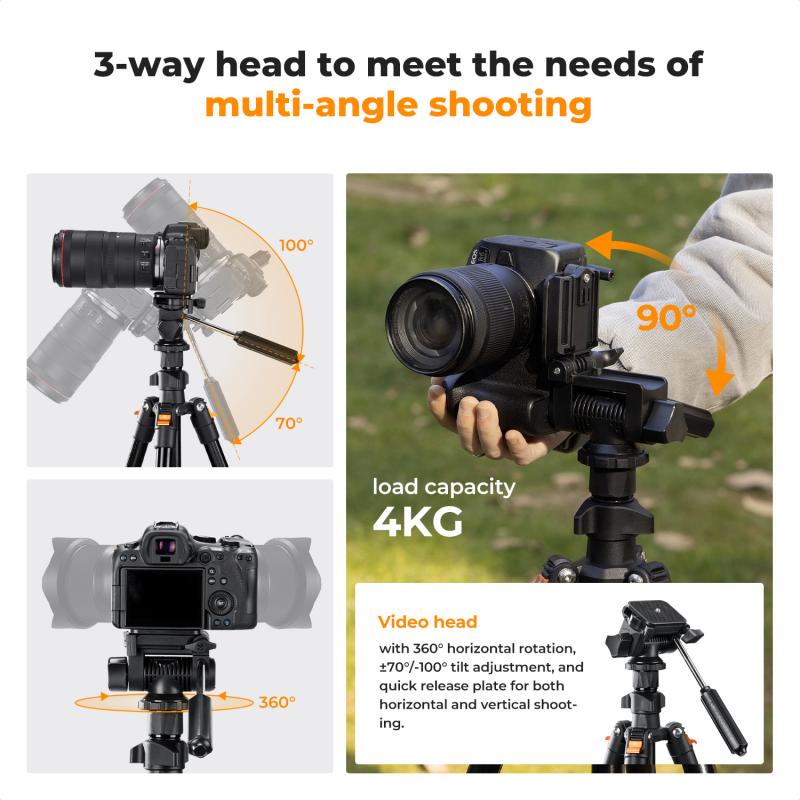
- Head type: Purchasing a separate head gives you flexibility over the type of head you buy, plus you can buy different heads for different functions such as panning or video, but will usually come at a higher price.
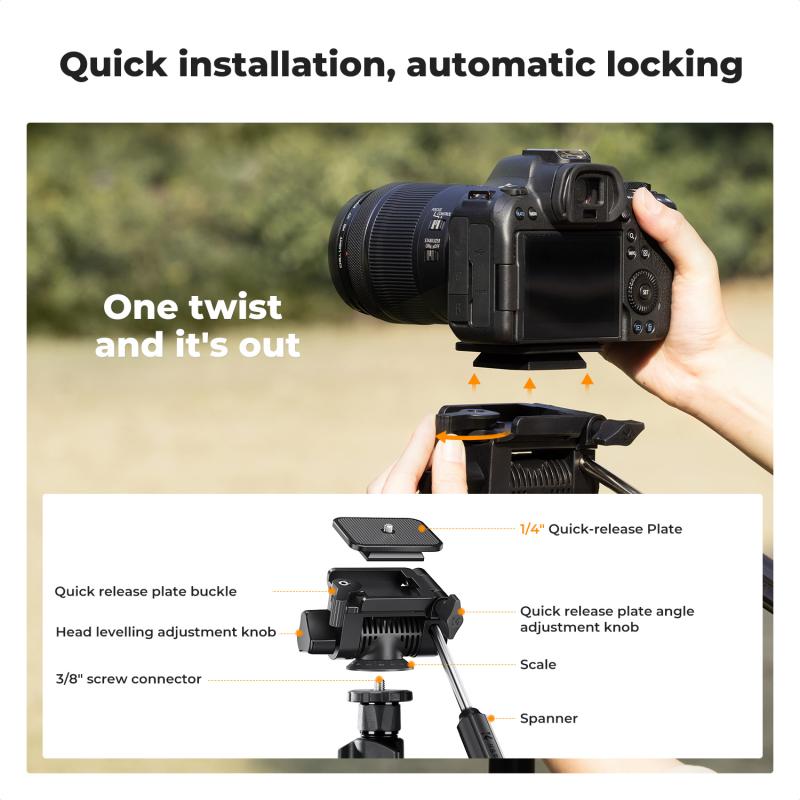
- Other features: These include spirit levels to show if the tripod is level, how compact the tripod is when folded, how tall the tripod is (eye height being ideal), how many leg extensions it has, and how easy it is to put up and put down.
Unlike camera bodies, tripods don't degrade over time — one that's solid today will still be solid in 20 years. Buying a cheap tripod will hold you back in the long run. If you're just starting out, get a tripod that you can grow with, and you'll always find more uses for it and be thankful you spent the money early. If you don't want to buy a full size one yet, as they can be quite expensive, a tabletop tripod is much cheaper and much easier to carry around.