What Solar Panels?
What Solar Panels to Choose? A Guide to Types, Uses, and Tips
Solar panels are at the forefront of renewable energy solutions. As people all over the world are becoming more conscious of environmental issues and the need to transition to cleaner energy, solar panels have become a go-to option for households, businesses, and industries alike. They allow users to harness sunlight and convert it into electricity, reducing their reliance on fossil fuel-based power grids and lowering energy costs.
But as someone stepping into the world of solar energy, you’re likely asking: *What solar panels are the right choice for me?* It’s an important question that requires understanding the available options, how they work, and whether they meet your specific needs. Below, I’ll provide an overview of the types of solar panels, their various uses, and tips on selecting the best one for your circumstances.
Types of Solar Panels: A Breakdown

Solar panels come in several varieties, but the three most common are monocrystalline, polycrystalline, and thin-film solar panels. Each has distinct characteristics, advantages, and limitations.
1. Monocrystalline Solar Panels
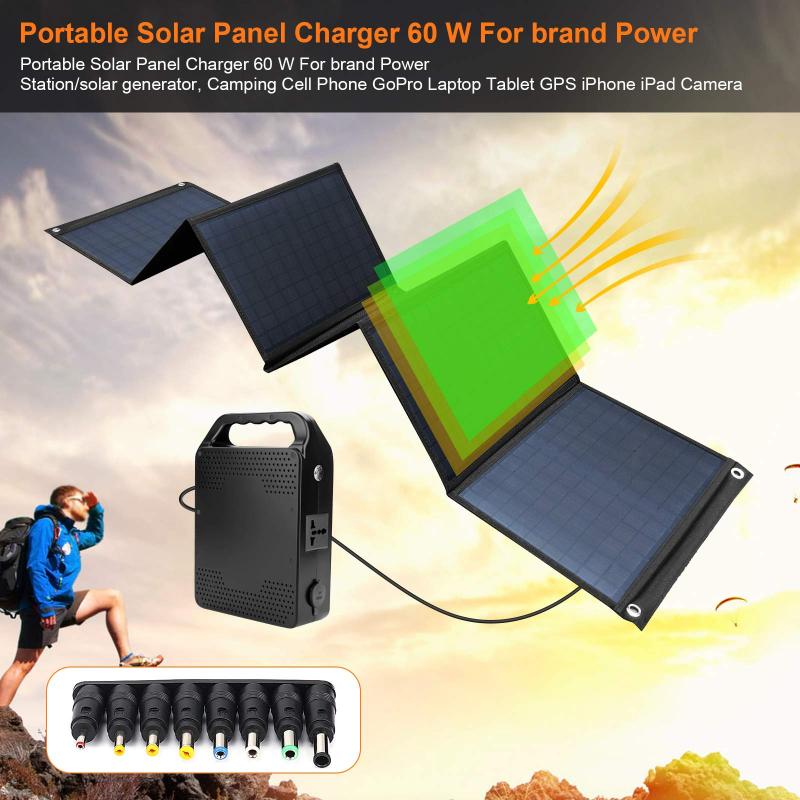
Monocrystalline panels are made from a single crystal structure of silicon. Known for their high efficiency and longevity, these panels are the most commonly chosen for residential and commercial purposes.
Efficiency: Monocrystalline panels offer higher efficiency rates (15%-22%) compared to other types. They’re more effective at converting sunlight into electricity, especially in areas with limited sunlight.
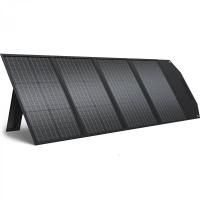
Appearance: They have a distinctive black color due to the pure silicon structure.
Durability: They are highly durable, with warranties often extending to 25 years or more.
Cost: The downside is their higher price tag. If efficiency and space-saving are essential, though, this cost can be justified.
2. Polycrystalline Solar Panels
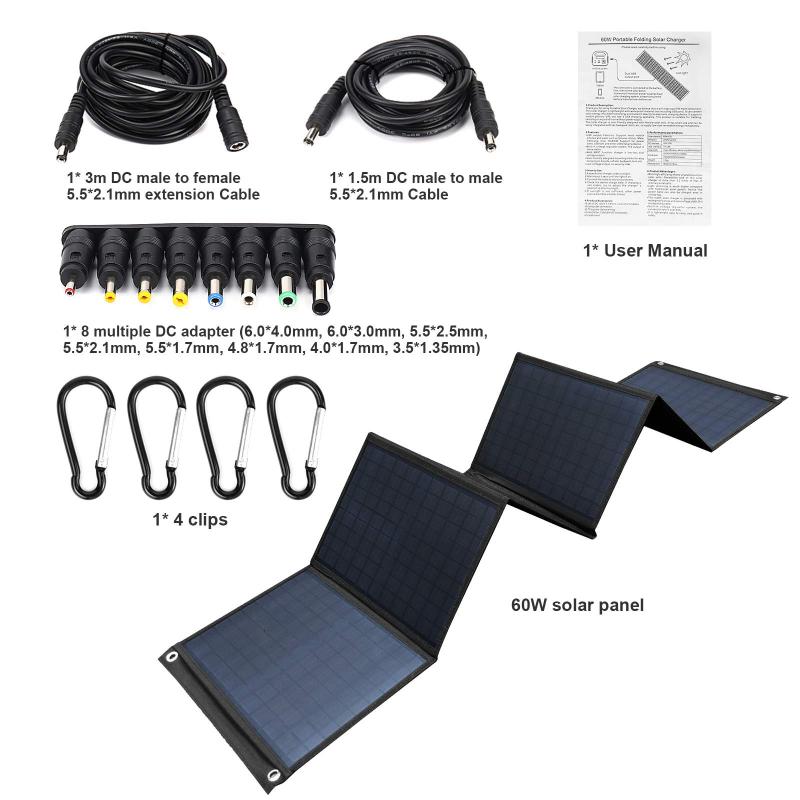
Polycrystalline panels are created by melting several silicon crystals together. This results in a less energy-efficient but more cost-effective solution.
Efficiency: Their efficiency ranges between 13%-16%, which makes them slightly less effective in capturing sunlight than monocrystalline panels.
Appearance: These panels have a blue hue due to light reflecting off the fragments of silicon crystals.
Cost-Effectiveness: Polycrystalline panels are cheaper to produce, making them a good budget-friendly option for those who want to adopt solar energy without the high upfront cost.
Lifespan: They offer comparable durability to monocrystalline panels, but their performance may slightly drop over time.
3. Thin-Film Solar Panels
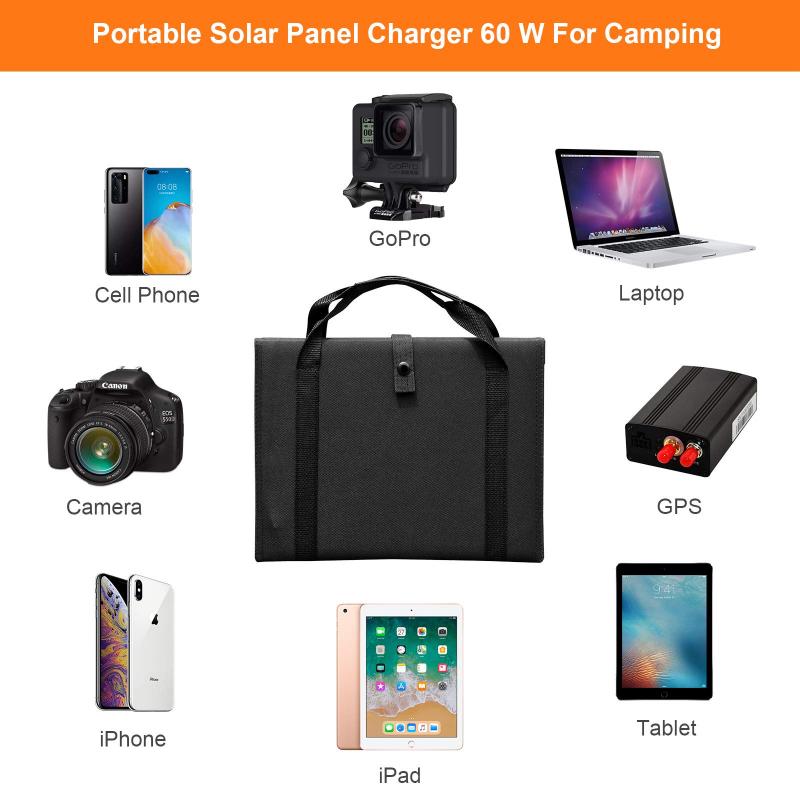
Thin-film panels are made from various materials using a thin-film design, which makes them flexible and lightweight.
Efficiency: Thin-film panels tend to be less efficient (10%-14%) because their energy conversion rates are lower.
Flexibility: They are lightweight and can be used in unique applications such as rooftops, vehicles, and portable devices.
Cost: These panels are the cheapest in terms of upfront investment, but their lower efficiency often means larger panels are required to generate the same amount of energy.
Durability: Thin-film solar panels are typically less durable, and their warranties are shorter than those for monocrystalline or polycrystalline options.
Assessing Your Needs: Application-Specific Recommendations
The type of solar panel you choose depends heavily on your application and practical requirements. Here are some common scenarios and the best solar panel types for each:
a. Residential Use
For homeowners, space efficiency and aesthetic appeal are often primary concerns. Monocrystalline panels tend to be the top choice. If you’re someone with limited roof space, monocrystalline panels’ higher efficiency makes them an ideal option – you can produce more energy within a smaller area. However, if budget constraints are at the front line, polycrystalline panels are a solid alternative.
b. Commercial Installations
In commercial setups, cost and scalability play major roles. Businesses often use polycrystalline panels to minimize upfront installation costs while still securing reliable energy production. In large open spaces, monocrystalline panels might also be utilized due to their efficiency, especially in energy-intensive enterprises.
c. Portable or Off-Grid Applications
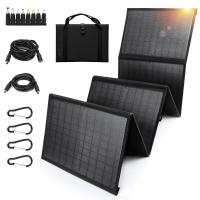
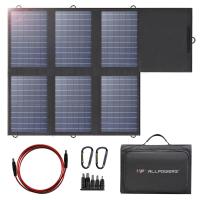
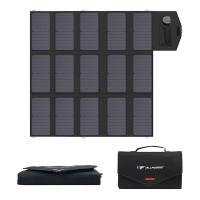
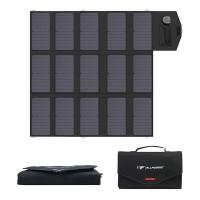
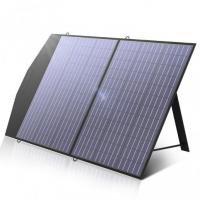
Thin-film panels dominate the market for portable and off-grid solutions. As lightweight and flexible options, thin-film panels are widely used in RVs, boats, camping gear, and remote locations where transporting heavy solar installations isn’t feasible.
d. Large-Scale Solar Farms
Large-scale energy generation projects, like solar farms, may use a mix of monocrystalline or polycrystalline panels. The choice is determined by cost efficiency and land availability.
Key Considerations for Choosing Solar Panels
It’s not just about the type of solar panel – there are other factors that come into play when making your selection.
1. Budget
Start by assessing your financial capability. While monocrystalline panels offer the best output, their cost might not align with budget-friendly plans. Polycrystalline and thin-film panels can help reduce upfront expenses while still providing sustainable energy.
2. Available Space
Roof size or land availability is an important consideration. Smaller spaces benefit from high-efficiency panels like monocrystalline.
3. Energy Needs
Estimate your household or business energy consumption. Look at your electricity bills to understand how much energy you use monthly to determine how many panels are required.
4. Climate and Location
The amount of sunlight in your area affects solar panel performance. Monocrystalline panels are more effective in low-light or colder regions, while polycrystalline and thin-film panels work well in sunnier climates.
5. Durability and Maintenance
Solar panels are long-term investments, so durability matters. Monocrystalline panels tend to last the longest, with warranties stretching up to 25-30 years. Additionally, consider ease of maintenance for your setup.
6. Manufacturer and Warranty
Choose panels from reputable manufacturers offering solid warranties and post-sale support. This ensures that you can rely on the system for decades.
FAQs on Solar Panels
Let’s address a few common queries from prospective solar panel buyers:
How much do solar panels cost?
The cost of solar panels varies depending on the type (monocrystalline, polycrystalline, or thin-film), size, manufacturer, and installer. On average, solar panels can cost anywhere between $3,000 and $10,000 for residential setups after factoring tax credits or government incentives.
Does solar panel efficiency decrease over time?
Yes, solar panel efficiency gradually decreases with age due to wear and tear. However, most panels are designed to retain 80%-90% of their efficiency after 25 years.
Can I install solar panels myself?
While DIY solar panel kits exist, professional installation is highly recommended. Certified installers ensure proper setup, adherence to local building codes, and maximum energy efficiency.
Are solar panels worth the investment?
Yes, for most situations, solar panels are worth the investment in the long term due to lower energy bills, tax benefits, and reduced environmental impact.
Final Thoughts: Making an Informed Decision
Solar panels are not a one-size-fits-all solution – the best choice depends on your specific needs, location, and budget. By understanding the strengths and weaknesses of monocrystalline, polycrystalline, and thin-film solar panels, you can select a system that aligns with your goals. Whether you aim to lower energy costs, reduce your carbon footprint, or achieve energy independence, solar panels are a forward-thinking solution with long-lasting benefits.
Investing in solar energy is not just about saving money but also about contributing to a greener, sustainable future. So take the time to assess your requirements, consult with a professional installer if necessary, and take a step toward positive change through the adoption of solar power.