What Is Noise Cancellation On Headphones?
Noise cancellation on headphones is a feature designed to reduce unwanted outside sound so you can hear your music, calls, podcasts, or videos more clearly. In everyday use, it means less engine rumble on a plane, less air-conditioner hum in an office, less train noise during a commute, and fewer distractions while working.
The part that confuses many people is that “noise cancellation” can mean two different things: blocking sound physically, or using electronics to fight outside noise. Most modern headphones use some combination of both.
The simple version
There are two main types of noise reduction in headphones:
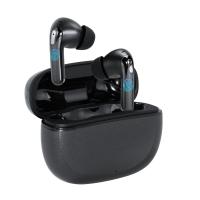
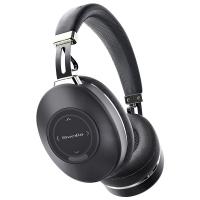
Passive noise isolation comes from the physical design of the headphones. Over-ear headphones seal around your ears. In-ear earbuds seal inside your ear canal with silicone or foam tips. This blocks some sound in the same way earplugs do.
Active noise cancellation, often called ANC, uses microphones and processing to reduce outside noise electronically. Tiny microphones listen to the sound around you, then the headphones produce an opposite sound wave to cancel part of it out before it reaches your ears.
If you have ever put on noise-cancelling headphones on a plane and suddenly the low engine drone faded into the background, that was active noise cancellation doing its job.
How active noise cancellation actually works
Active noise cancellation sounds more magical than it is. The headphones have microphones on the outside, sometimes also inside the ear cups or earbuds. These microphones pick up steady background noise. The headphone’s processor then creates a sound wave that is basically the inverse of that noise.
When the unwanted noise and the opposite signal meet, they partially cancel each other out.
This works best with predictable, low-frequency sounds. Think:
- airplane engines
- bus and train rumble
- traffic drone from a distance
- air conditioning
- fans
- washing machines
- office ventilation
ANC is much less effective against sudden, sharp, or irregular sounds. A barking dog, clattering dishes, keyboard tapping, someone laughing nearby, or a baby crying will usually still come through to some degree.
That gap between expectation and reality is where many buyers get disappointed. Noise cancellation does not create total silence. It reduces certain types of noise, sometimes dramatically, but it cannot erase the world.
Why noise-cancelling headphones don’t block all voices

One of the most common complaints is: “I bought noise-cancelling headphones, but I can still hear people talking.”
That is normal.
Human speech is complex and constantly changing. ANC has a harder time predicting and cancelling it compared with a steady engine hum. Good headphones may soften voices, especially if music is playing, but they usually won’t remove conversation completely.
This is where passive isolation matters a lot. Over-ear headphones with thick pads can physically muffle speech. Earbuds with a deep, tight seal can also help. If the seal is poor, even expensive ANC earbuds can sound unimpressive.
For voice-heavy environments like coffee shops or shared offices, the best result usually comes from combining ANC with low-volume music, brown noise, rain sounds, or instrumental playlists. The ANC reduces the low background rumble, while the audio masks the remaining speech.
Noise cancellation vs noise isolation
These two terms often get mixed together, but they are not the same.
Noise isolation is physical blocking. No batteries, no microphones, no processing. Closed-back over-ear headphones, snug earbuds, foam ear tips, and even basic earplugs all rely on isolation.
Noise cancellation is electronic reduction. It needs power and circuitry. If the battery dies, active noise cancellation stops working, though the headphones may still provide passive isolation.
In real life, the best headphones use both. A loose pair of earbuds with strong ANC will still struggle because sound leaks around the ear tip. A well-sealed earbud with average ANC may perform better than expected simply because the fit is better.
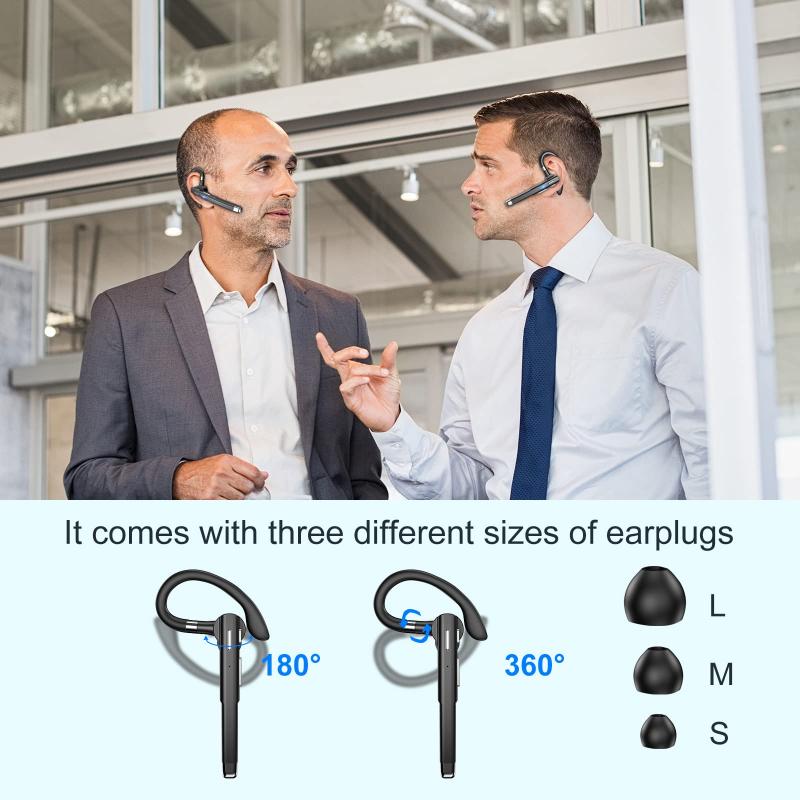
Fit matters more than people think. With earbuds, trying different ear tip sizes can make a bigger difference than changing settings in an app. With over-ear headphones, glasses can break the seal slightly, letting in more noise. Thick hair, earrings, or worn-out ear pads can also reduce performance.
What noise cancellation feels like
Good ANC often feels like someone turned down the background layer of the world. You may still hear things, but they seem farther away and less tiring.
On a plane, the biggest difference is usually the engine rumble. Without ANC, you might raise the volume to overpower the cabin noise. With ANC on, you can listen at a lower, safer volume.
In an office, ANC may remove HVAC hum and low chatter from across the room, but nearby voices can still cut through. On a train, it can make the ride feel calmer, though announcements and rail squeals may remain audible.
Some people notice a slight pressure sensation when ANC is active, almost like the feeling of altitude change. There is no real pressure being applied to your ears, but the brain can interpret the low-frequency cancellation strangely. Most users get used to it. A few people never like the feeling and prefer passive isolation instead.
Different ANC modes
Many modern headphones offer several listening modes.
Full noise cancellation gives the strongest reduction and is best for flights, commuting, and focused work.
Transparency mode or ambient mode does the opposite. It uses the microphones to let outside sound in, so you can hear traffic, announcements, or someone speaking without removing the headphones.
Adaptive noise cancellation automatically adjusts based on your surroundings. Some headphones do this well. Others change too aggressively and can feel distracting if the sound shifts while you walk past traffic or enter a quieter room.
Wind reduction mode is useful outdoors. Wind blowing across ANC microphones can create a rough, rumbling sound. Some headphones reduce microphone sensitivity or change processing to handle it better.
For daily use, transparency mode is more useful than many people expect. If you walk near roads, cycle, or need to hear coworkers occasionally, being able to switch quickly between isolation and awareness matters.
Does noise cancellation affect sound quality?
It can.
On better headphones, ANC is tuned carefully and the sound remains consistent whether cancellation is on or off. On cheaper models, turning ANC on may change the bass, narrow the sound, or add a faint hiss.
Some headphones sound best with ANC enabled because the manufacturer tuned them that way. Others sound more natural with ANC off. If you care about music quality, it is worth testing both modes rather than assuming one is always better.
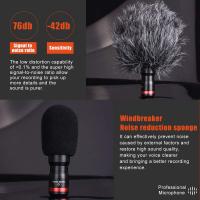
For calls, noise cancellation gets more confusing because there are two separate systems involved. ANC helps you hear better by reducing noise around you. Microphone noise reduction helps the other person hear your voice better by reducing background noise picked up by the call microphones.
A headphone can have excellent ANC for listening but mediocre call quality in a noisy street. If calls are a priority, look for real-world microphone tests rather than relying only on “noise cancelling” in the product description.
Battery life and ANC
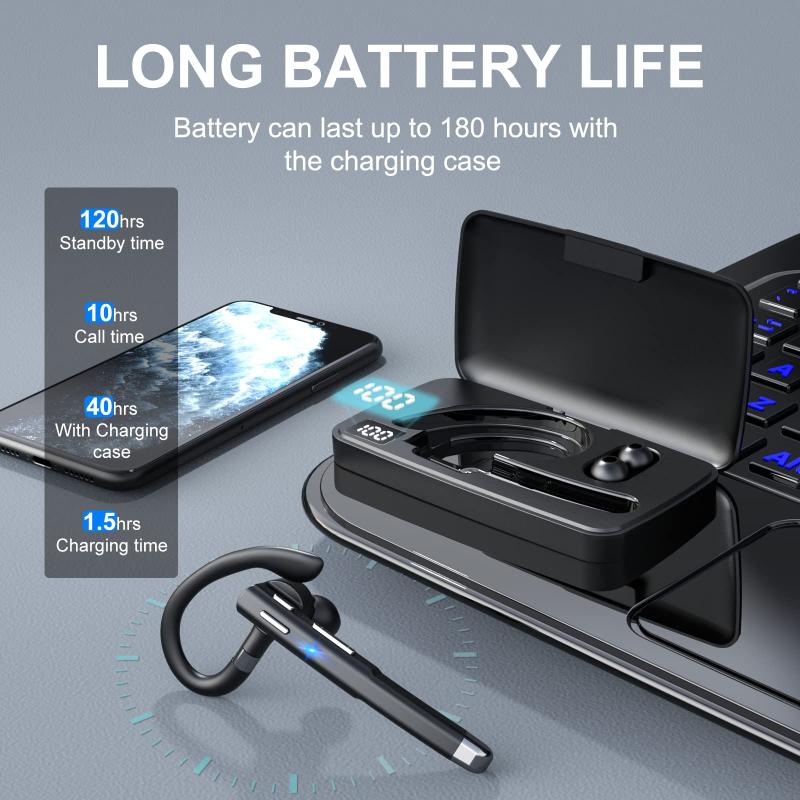
Active noise cancellation uses battery power. With ANC on, headphones usually run for fewer hours than with it off.
Over-ear headphones often handle this well because they have larger batteries. Many can last through several workdays or a long international flight. True wireless earbuds are more limited. The earbuds themselves may last several hours with ANC on, then need to recharge in the case.
If you travel, battery life matters more than it seems at purchase time. A pair that lasts five hours per charge might be fine for commuting but annoying on long flights. Fast charging helps, but only if you have time to put the headphones back in the case or plug them in.
Common mistakes people make
One mistake is expecting silence. Even the best ANC headphones reduce noise; they do not delete it. If you need near-silence for sleeping, studying, or sensory sensitivity, you may need ANC plus earplugs, earmuffs, or masking sound, depending on the situation.
Another mistake is using the wrong ear tips. With earbuds, a poor seal ruins bass and weakens noise reduction. If the earbuds feel loose or the ANC seems underwhelming, try larger tips, smaller tips, or foam tips if available.
People also forget that ANC is not ideal for every environment. Outdoors on a windy day, full ANC can sometimes make wind noise worse. While walking in traffic, strong ANC can reduce awareness too much. Transparency mode exists for a reason.
A smaller but real issue is worn ear pads. Over-ear headphones that worked beautifully for two years may suddenly seem worse because the pads have flattened. Replacing the pads can restore comfort, bass, and isolation.
Are noise-cancelling headphones worth it?
They are worth it if you regularly deal with steady background noise or want to listen at lower volume in loud places. Frequent flyers, commuters, office workers, students, and people who work from home near fans, roads, or appliances usually benefit the most.
They may be less impressive if your main problem is nearby conversation, barking dogs, or sudden household noise. ANC will help a bit, but it will not perform like a mute button.
For many people, the biggest benefit is not perfect quiet. It is reduced fatigue. Constant low-level noise wears on you after a while. Good noise cancellation makes travel, work, and daily listening feel less draining.
What to look for before buying
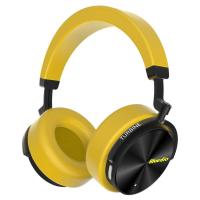
Comfort should be near the top of the list. Strong ANC does not matter much if the headphones hurt after thirty minutes. For over-ear models, check clamping force, ear cup size, and weight. For earbuds, check tip options and whether they stay secure without pressure.
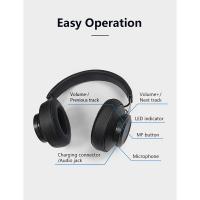
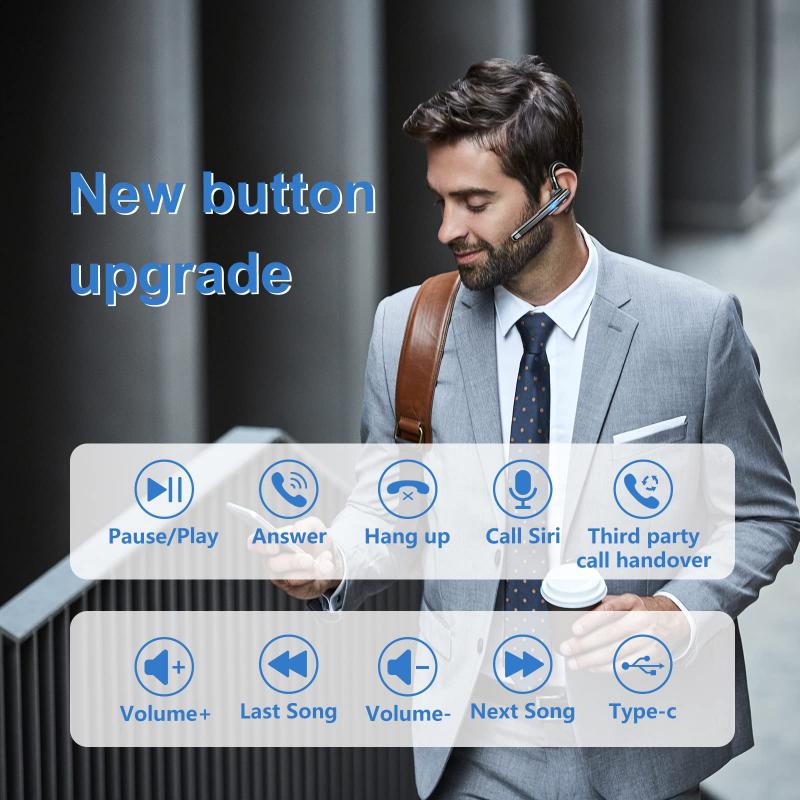
Controls also matter. Physical buttons are easier to use with gloves or while walking. Touch controls can be convenient but may trigger accidentally when adjusting fit.
If you plan to use them for work, check multi-device pairing. Being able to connect to a laptop and phone at the same time is genuinely useful. For travel, look for long battery life and a compact case. For calls, pay attention to microphone quality, not just ANC strength.
The best noise-cancelling headphones are not always the ones with the most aggressive cancellation. The best pair is the one that fits well, sounds good to you, handles your daily noise, and stays comfortable long enough that you actually keep using it.