What Do I Need For Off Camera Flash?
Off-camera flash photography is a powerful technique that allows photographers to create dynamic and professional-looking images by controlling the direction, intensity, and quality of light. Whether you're a beginner or an experienced photographer looking to expand your skills, understanding what you need for off-camera flash is essential. In this article, we’ll explore the equipment, techniques, and considerations required to get started with off-camera flash photography.
1. The Flash Unit
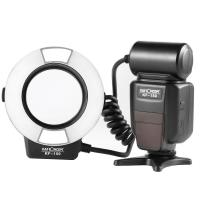
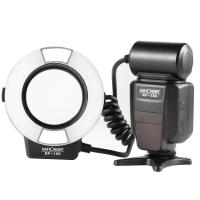
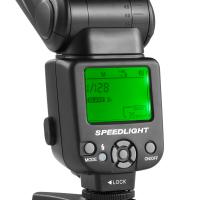
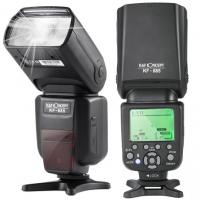
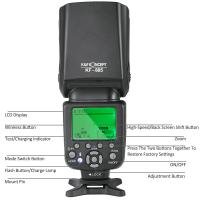
The first and most obvious piece of equipment you’ll need is a flash unit. While your camera may have a built-in flash, it’s often limited in terms of power and flexibility. An external flash, also known as a speedlight, is a much better option for off-camera flash photography. Here are some key considerations when choosing a flash unit:
- Manual vs. TTL (Through-The-Lens): TTL flashes automatically adjust their power based on your camera’s metering system, making them convenient for beginners. Manual flashes, on the other hand, require you to set the power manually, offering more control and consistency for advanced users.
- Power Output: Look for a flash with adjustable power settings and sufficient output to illuminate your subject effectively. The guide number (GN) is a measure of a flash’s power; higher numbers indicate more powerful flashes.
- Compatibility: Ensure the flash is compatible with your camera brand and model. Some flashes are universal, while others are designed specifically for certain camera systems.
2. Triggering System
To use your flash off-camera, you’ll need a way to trigger it remotely. There are several options for triggering your flash:
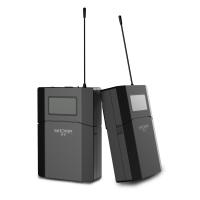
- Wireless Radio Triggers: These are the most reliable and versatile option for off-camera flash. A wireless trigger system typically consists of a transmitter that attaches to your camera and a receiver that connects to your flash. Some modern flashes have built-in receivers, eliminating the need for an external unit.
- Optical Triggers: Some flashes can be triggered optically by detecting the light from another flash. While this method is inexpensive, it requires a direct line of sight and may not work well in bright environments.
- Sync Cables: A physical cable can connect your camera to the flash, ensuring reliable triggering. However, cables can limit your mobility and are less convenient than wireless options.
3. Light Stands and Mounts
To position your flash off-camera, you’ll need a sturdy light stand or mount. These accessories allow you to place your flash at the desired height and angle for optimal lighting. Here are some options:
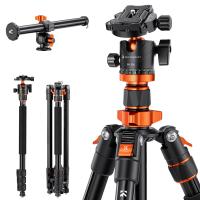
- Light Stands: These are adjustable stands designed specifically for photography lighting. Look for stands that are lightweight yet durable, with a stable base to prevent tipping.
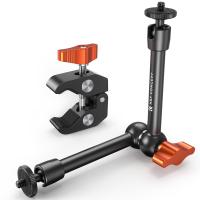
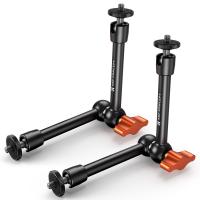
- Boom Arms: If you need to position your flash above your subject or at an unusual angle, a boom arm can be attached to your light stand for added flexibility.
- Flash Brackets: These are smaller mounts that can be attached to tripods or other surfaces. They’re useful for portable setups.
4. Modifiers for Shaping Light
One of the biggest advantages of off-camera flash is the ability to modify the light to suit your creative vision. Light modifiers help you control the quality, direction, and spread of light. Common modifiers include:
- Softboxes: These create soft, diffused light that reduces harsh shadows and highlights. They’re ideal for portrait photography.
- Umbrellas: Umbrellas are affordable and versatile modifiers that can either diffuse light (shoot-through umbrellas) or reflect it (silver or white reflective umbrellas).
- Snoots: Snoots focus the light into a narrow beam, allowing you to highlight specific areas of your subject.
- Gels: Colored gels can be placed over your flash to change the color of the light, adding creative effects to your images.
- Grids: Grids narrow the spread of light, creating a more focused beam and adding contrast to your images.
5. Power Sources
Off-camera flashes require power, and it’s important to ensure you have the right power sources for your setup. Most speedlights are powered by AA batteries, but there are other options:
- Rechargeable Batteries: Investing in high-quality rechargeable batteries can save you money and reduce waste over time.
- External Battery Packs: For extended shoots, external battery packs provide additional power and faster recycling times.
- AC Power Adapters: If you’re shooting in a studio, an AC power adapter can provide continuous power without the need for batteries.
6. Camera Settings and Knowledge
To make the most of your off-camera flash setup, you’ll need to understand how to adjust your camera settings for optimal results. Key settings include:
- Shutter Speed: Your shutter speed controls the ambient light in your image. Most cameras have a maximum sync speed (usually around 1/200 or 1/250) for flash photography. Using a slower shutter speed can allow more ambient light into the image, while faster speeds may require high-speed sync (HSS) capabilities.
- Aperture: The aperture controls the amount of light entering your camera and affects the depth of field. A wider aperture (lower f-number) lets in more light, while a narrower aperture (higher f-number) reduces light and increases depth of field.
- ISO: ISO determines your camera’s sensitivity to light. Lower ISO settings produce cleaner images, while higher ISO settings can help in low-light situations but may introduce noise.
7. Practice and Experimentation
Off-camera flash photography requires practice to master. Start by experimenting with different setups, angles, and modifiers to see how they affect your images. Here are some tips to help you get started:
- Start Simple: Begin with one flash and a basic modifier, such as a softbox or umbrella. As you gain confidence, you can add more flashes and modifiers to your setup.
- Understand Light Placement: The position of your flash relative to your subject has a significant impact on the final image. Side lighting creates dramatic shadows, while front lighting produces even illumination.
- Balance Flash and Ambient Light: Learn how to balance the light from your flash with the ambient light in your environment. This is especially important for outdoor photography.
- Experiment with Angles: Don’t be afraid to try unconventional angles and positions for your flash. Creative lighting can add depth and interest to your images.
8. Additional Accessories
While the essentials listed above will get you started, there are additional accessories that can enhance your off-camera flash photography:
- Reflectors: Reflectors bounce light back onto your subject, filling in shadows and adding dimension to your images.
- Light Meters: A handheld light meter can help you measure the intensity of light and ensure accurate exposure.
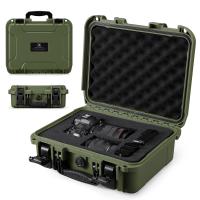
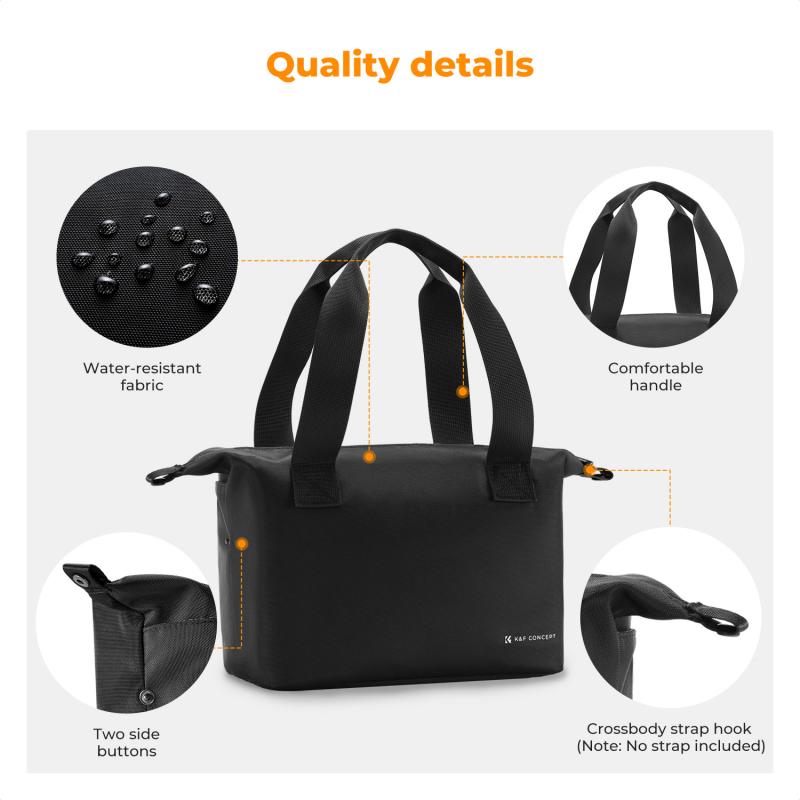
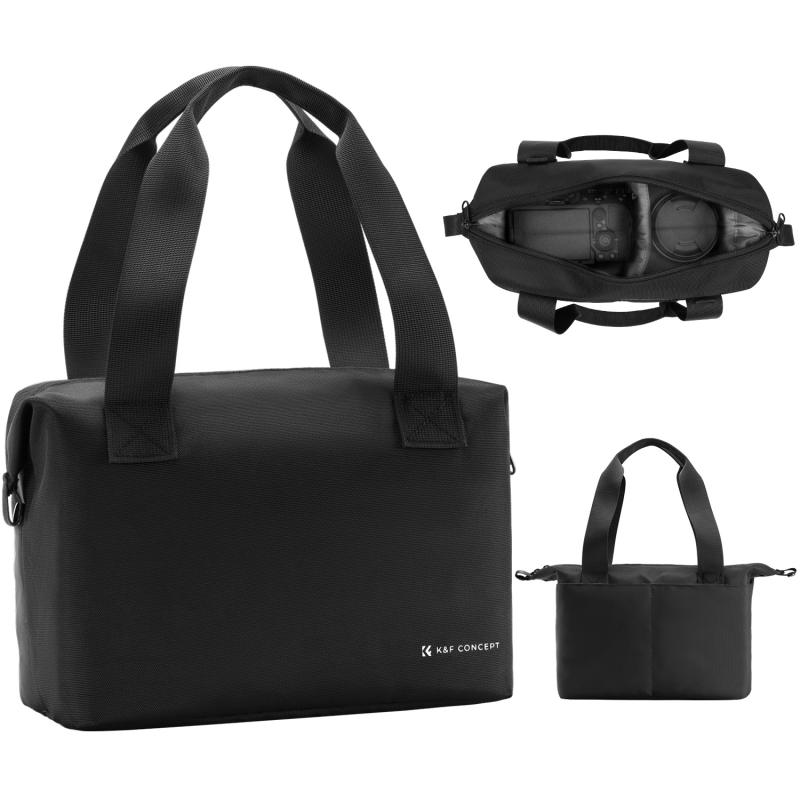
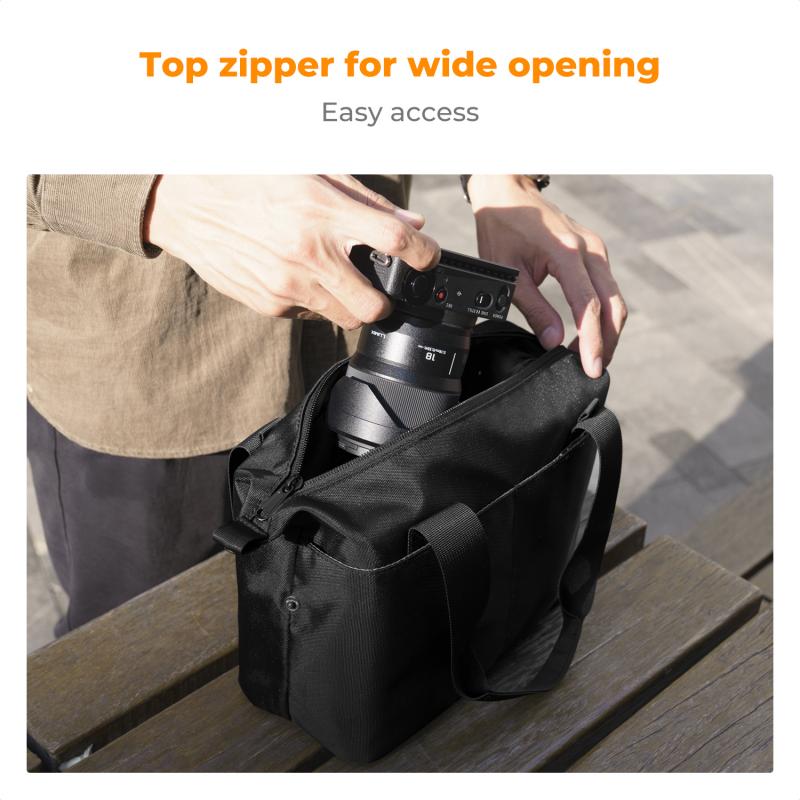
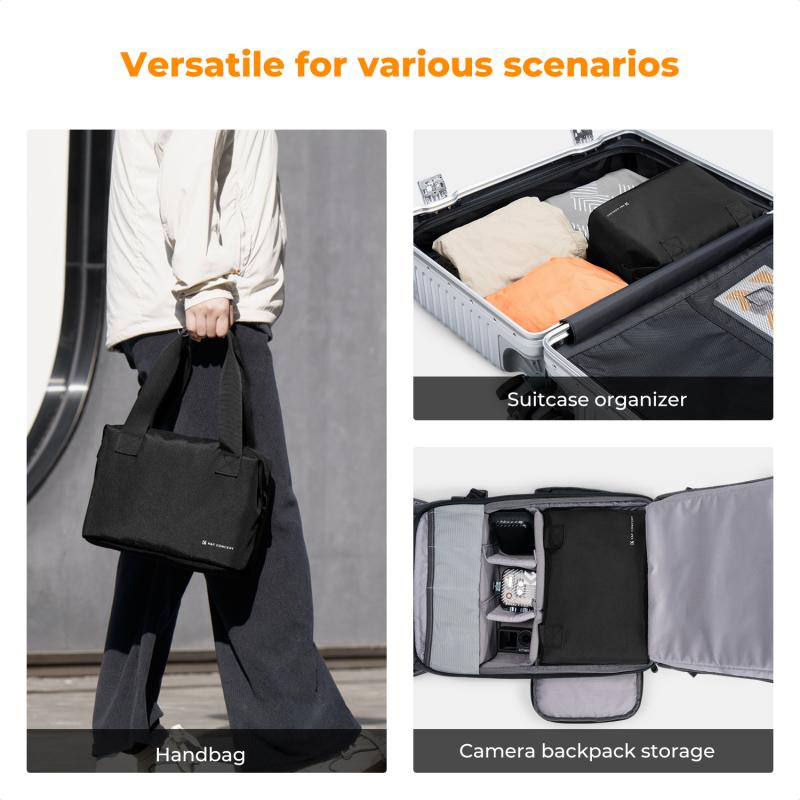
- Carrying Case: A durable carrying case can help you transport and protect your equipment during shoots.
9. Common Challenges and Solutions
Off-camera flash photography comes with its own set of challenges, but with the right approach, you can overcome them:
- Overexposure or Underexposure: If your images are too bright or too dark, adjust the flash power, aperture, or ISO settings.
- Harsh Shadows: Use a diffuser or softbox to soften the light and reduce harsh shadows.
- Flash Misfires: Ensure your triggering system is properly set up and that your batteries are fully charged.
- Balancing Multiple Flashes: If you’re using multiple flashes, experiment with their power levels and placement to achieve the desired effect.
Off-camera flash photography opens up a world of creative possibilities, allowing you to control and shape light in ways that are impossible with on-camera flash alone. By investing in the right equipment, understanding your camera settings, and practicing your techniques, you can elevate your photography to new heights. Whether you’re shooting portraits, products, or events, off-camera flash gives you the tools to create stunning, professional-quality images. So gather your gear, experiment with different setups, and let your creativity shine!