kfconcept

KENTFAITH
K&F Concept    Blog >

Enjoy Your Selected Digital Life

Recently Viewed
  • Recently Viewed
  • Recently Viewed list is empty.

Compare (0) 0
  • Compare
  • You have not chosen any products to compare.

  • Compare
Currency: USD
  • Currency
Shop by Scene Shop by Rank

Log Into Your Account

Account

Order History

Wish List

Login

Forgotten Password?

Or connect with

Register Account

Already have an Account?Log In

  • Shopping Cart
  • Your shopping cart is empty!

  • Register/Login to purchase, earn points
  • Favorite
  • Your wish list is empty.

  • Register/Login to like, earn points
  • Activities
  • Guide
    • Filter Guide
    • Lens Adapter
    • Product Review
  • News & Reviews
    • Camera Reviews
    • Sample Gallery
    • News
  • Tutorials
    • Solar eclipse photography
    • Photography Basics
    • Landscape Photography
  • Inspiration
    • Travel
    • Travel Stories
  • Home
  • Blog
  • What Are Two Different Types Of Electron Microscopes?

What Are Two Different Types Of Electron Microscopes?

Kentfaith 2025-08-28 09:29:44 0 Comments

Electron microscopes are powerful tools used in scientific research and diagnostics to visualize structures and objects at incredibly high magnifications and resolutions that are far beyond the capabilities of traditional light microscopes. They achieve this by using a focused beam of electrons instead of light to illuminate and analyze specimens. There are two main types of electron microscopes: Transmission Electron Microscope (TEM) and Scanning Electron Microscope (SEM). While they are both based on the principle of using electron beams, their operating mechanisms, applications, and outputs differ significantly. This article delves into the distinct characteristics of both TEMs and SEMs, their use cases, and the advantages they offer in various fields.

Transmission Electron Microscope (TEM)
what are two different types of electron microscopes 1

Overview:

what are two different types of electron microscopes 2

The Transmission Electron Microscope (TEM) is an advanced imaging tool designed to probe the internal structure of a specimen. It operates by transmitting a beam of electrons through an ultra-thin sample. These electrons interact with the specimen, and their signal is collected to form a high-resolution image. TEMs are renowned for their ability to deliver magnifications of up to 2 million times or more, making it possible to visualize atoms, molecules, and other nanostructures in incredible detail.

How it Works:

what are two different types of electron microscopes 3

1. Electron Beam: Electrons are emitted from a high-energy source (usually a heated tungsten filament or lanthanum hexaboride crystal) and accelerated toward the specimen using electromagnetic lenses.

2. Specimen Preparation: Samples must be extremely thin—typically less than 100 nanometers thick—to allow electrons to pass through. Specimens are often treated, frozen, or embedded to enhance contrast and stability.

3. Interaction with Sample: When electrons penetrate the sample, they scatter based on the density and composition of the material.

4. Image Formation: Scattered electrons are collected and magnified using electromagnetic lenses, ultimately forming a detailed image on a fluorescent screen or detector.

Applications:
what are two different types of electron microscopes 4

TEM is widely used in fields like:

Material Science: To examine the crystal structure, grain boundaries, and defects within metals and semiconductors.

Biology: To study organelles such as mitochondria, ribosomes, and viruses at the molecular level.

Medical Research: For visualizing pathogens and understanding disease mechanisms.

Advantages:

- Exceptionally high resolution, capable of atomic-level imaging.

- Suitable for studying internal structures and material properties.

- Enables analysis of crystallography and electron diffraction patterns.

Limitations:

- Preparing ultra-thin samples is complex and time-consuming.

- The imaging process destroys many biological specimens due to high-energy electron exposure.

- TEM equipment is expensive and requires specialized operators.

Scanning Electron Microscope (SEM)

Overview:

The Scanning Electron Microscope (SEM) offers a different imaging approach compared to TEMs. Instead of passing electrons through a sample, SEM scans the specimen's surface with a focused electron beam to produce high-resolution surface images. It is particularly useful for studying the topography and morphology of materials rather than internal structures.

How it Works:

1. Electron Beam: Similar to TEM, SEM starts with an electron source. However, SEM focuses the electron beam into a narrow, precise spot that scans across the sample in a raster pattern.

2. Sample Interaction: When electrons hit the surface of the sample, secondary electrons and backscattered electrons are emitted due to energy interactions.

3. Signal Detection: Sensors capture the emitted electrons and use them to construct detailed 3D representations of the surface characteristics.

4. Specimen Preparation: Samples do not need to be thin but may need to be coated with conductive materials (e.g., gold or carbon) to prevent charge buildup.

Applications:

SEM is commonly utilized in:

Forensics: To analyze fingerprints, gunshot residue, or trace materials.

Engineering: To study fractures, welds, and coatings in structural components.

Geology: For mineral identification and surface texture analysis.

Nanotechnology: For visualizing nanoscale patterns, fibers, and devices.

Advantages:

- Generates high-resolution 3D images of surface architecture.

- Requires less demanding specimen preparation compared to TEM.

- Can analyze non-biological specimens without significant alterations.

Limitations:

- Resolution is lower than that of TEM (usually in the nanometer range as opposed to atomic-level imaging).

- Limited to surface analysis; cannot penetrate or observe interior structures directly.

- Preparing non-conductive or hydrated materials for SEM can require additional processes.

Key Differences Between TEM and SEM

1. Purpose of Imaging:

- TEM is focused on imaging internal structures and nanostructures, allowing researchers to view what's happening inside a specimen.

- SEM specializes in surface morphology, giving detailed visuals of the specimen's exterior features.

2. Resolution:

- TEM offers the highest resolution among electron microscopes, capable of atomic-level visualization.

- SEM provides slightly lower resolution but compensates with clear, textured 3D surface images.

3. Sample Requirements:

- TEM samples must be ultra-thin to allow electrons to pass through.

- SEM samples can be thicker but may need conductive coatings.

4. Applications:

- TEM is essential for biological and crystallographic studies.

- SEM excels in industrial, forensic, and surface-level studies.

Which One Should You Use?

Choosing between TEM and SEM largely depends on your research question and the type of data you seek. Here are some guidelines to help you decide which microscope best suits your needs:

1. For Internal Structure Analysis: If you need to dive deep into the internal arrangement of materials—studying cellular organelles, viruses, or atomic structures—TEM is your best choice.

2. For Surface Analysis: When your primary interest is the texture, morphology, or topography of a specimen—such as studying fractures, coatings, or nanostructures on surfaces—SEM is the ideal tool.

3. Resolution vs Practicality: TEM offers unparalleled resolution but demands intricate sample preparation and operates with higher costs. SEM, while slightly less powerful resolution-wise, is easier to use and more versatile for non-destructive analysis.

Contributions to Science and Industry

The development of TEMs and SEMs revolutionized many fields of study, enabling discoveries previously impossible with conventional imaging methods. Their applications in biology, materials science, engineering, and even nanotechnology continue to expand.

- In biological sciences, TEM has been instrumental in understanding viruses at the molecular level, which has implications for vaccine development and disease prevention. SEM, on the other hand, plays a critical role in studying how cells interact with surfaces in biomedical implants and tissue engineering.

- In materials science and engineering, the ability to visualize atomic structures using TEM has helped researchers design stronger, more efficient materials. SEM, with its capacity to investigate surface coatings and nanostructures, contributes to technological advances in electronics and energy storage.

Forensics uses SEM to examine trace evidence, helping solve crimes by identifying particles on clothing or weapons. TEM assists in analyzing substance compositions more accurately.

Both types of electron microscopes have also contributed to environmental studies, geology, and nanotechnology, demonstrating their versatility and relevance across disciplines.

Final Thoughts

If we imagine electron microscopy as a window to the invisible world, TEMs and SEMs are the two distinct panes that offer vastly different perspectives. While TEM allows us to peer deep into the heart of matter, SEM provides a highly detailed view of the outer world.

Both tools are indispensable to modern science and engineering and continue to drive innovation and discovery. Whether you are a researcher diving into nanotechnology, a biologist studying intricate cellular functions, or an industrial engineer optimizing materials, understanding the capabilities and applications of TEMs and SEMs will enable you to choose the best tool for your needs and make groundbreaking contributions to your field.

Leave your comment
Cancel reply
Note: HTML is not translated!
Related products
2.7K Motorcycle Dash Cam with 140° Wide Angle, Built-in WiFi, USB Power, Emergency Lock, 3 Types of Mounts, Kentfaith
13
$93.74 $74.99
Camera Glasses with 13MP Sony Lens, EIS Stabilization, Dual-mic Noise Cancellation, 32Gb Storage, WiFi Transfer, 2 Lens Types Included, Kentfaith
$187.49 $149.99
Digital Camera for Microscopes 5 Megapixel Color CMOS for Windows Mac OS Android Phones Kentfaith
12
$99.99 $79.99
WiFi Solar Eclipse Telescope Camera with 1.5in Screen 1080P Video 1000mAh Battery for Monoculars Binoculars Microscopes Telescopes
13
$119.99 $83.99
WiFi Electronic Eyepiece for Microscopes, 50 Meters WiFi Range, 2MP Microscope Imager, Capture 4K Photos Videos, Kentfaith
$112.49 $89.99
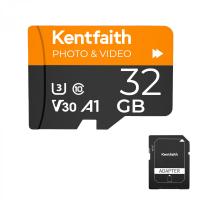
32GB Micro SD Card U3/V30/A1 with Adapter, Memory Card for Cameras, Borescopes,  Microscopes, Night Vision Goggles, Kentfaith
32GB Micro SD Card U3/V30/A1 with Adapter, Memory Card for Cameras, Borescopes, Microscopes, Night Vision Goggles, Kentfaith
$19.99 $19.99
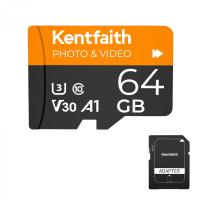
64GB Micro SD Card U3/V30/A1 with Adapter, Memory Card for Cameras, Borescopes,  Microscopes, Night Vision Goggles, Kentfaith
TOP Best
64GB Micro SD Card U3/V30/A1 with Adapter, Memory Card for Cameras, Borescopes, Microscopes, Night Vision Goggles, Kentfaith
$23.75 $23.73
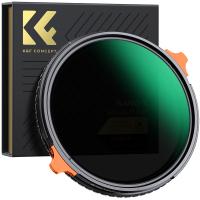
46mm ND4-64 (2-6 Stop) Variable ND Filter and CPL Circular Polarizing Filter 2 in 1 with 28 Layers of Anti-reflection Green Film, Two Orange Levers, Imported White Cloth Nano-Xcel Series
68
$99.99 $79.99
Gift - 32GB Micro SD Card U3/V30/A1 with Adapter, Memory Card for Cameras, Borescopes,  Microscopes, Night Vision Goggles, Kentfaith
Gift - 32GB Micro SD Card U3/V30/A1 with Adapter, Memory Card for Cameras, Borescopes, Microscopes, Night Vision Goggles, Kentfaith
$19.99
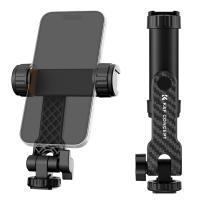
K&F Concept Cell Phone Holder Clamp With Two Cold Shoe Mount 360° Adjustment
2
$19.99 $16.99
Products You May Like
4G Solar Security Camera with Triple Lenses, Dual PIR Sensors, 2K Live View, 15X Hybrid Zoom, 12000mAh Battery, 6W Solar Panel, For Outdoor Large Area Monitor, Kentfaith
$518.74 $414.99
95mm Magnetic Filter Kit CPL + ND2-32 + Black Mist 1/4 Filter Set + Magnetic Adapter Ring & Lens Cap,28-Layer Coated HD Optical Glass for Camera Lens - Nano-Xcel Series
$253.99 $189.99
67mm Star Filter 4-8 Points Variable Starburst Filter Cross Screen, 18 Layer Coating Ultra Slim Optical Glass, with 3 Pcs Cleaning Cloths
$22.99
62mm Filter Set (UV, CPL, FLD, ND2, ND4, ND8)
15
$48.99 $23.99
Wifi 810 Trail Camera
10
$162.99 $106.99
CS02 Portable Mini Camera, 2MP, 1080P, HD Infrared Night Vision WiFi Portable Recorder, Action Camera
30
$39.99
37mm Variable ND3-ND1000 ND Filter (1.5-10 Stops) Neutral Density Lens Filter with 24 Multi-Layer Coatings for Camera Lens Nano-Dazzle
47
$43.99 $34.99
ZHIYUN CINEPEER CX100 100W LED Video Light with Built-in 4500mAh Battery,Bi-Color COB Continuous Output Lighting 2700K-6500K for Filmmaking/Live Streaming/Videography/Studio Photography
$284.99 $229.99
Wireless Lavalier Microphone for iPhone & Android 48kHz 24bit HiFi Audio Noise Cancelling
16
$134.99 $94.99
Professional Metal Detector, With Larger LCD Display, Waterproof, With 10 Inch Detection Disk, 5 Detection Modes
16
$309.99 $123.99
Related articles
What Are The 2 Types Of Microscopes?
What Are Your Different Types Of Studio Lights?
What Are The Different Types Of Lighting Photography?
What Can Scanning Electron Microscopes See?
What Types Of Memory Cards Are There?
What Is The Magnification Of Electron Microscope?
What Are Different Nd Filter Numbers Used For?
What Are Smart Watches Made Of?
What Is The Most Powerful Microscope?
How To Put Psp Games On Memory Card?
Blog You May Like
How Do Game Cameras Work Without Wifi?
Why Is My Samsung Smart Watch Battery Draining So Fast ?
How To Watch Recorded Security Camera Footage?
Can You Bring Binoculars To A Concert?
How To Build A Phone Tripod Stand?
Can You Access A Camera With Wifi Password?
Star Lens Filters: Unleashing the Starburst Effect
What Are Fujifilm X Mount R Lenses?
What Is The Best Smartwatch For Heart Health?
How To Store Tripods?
Related categories
digital microscope Astronomy & Optics Reverse GND Filter camera and lens cleaning kit square lens filters camera lens cap pentax k mount lenses Pentax K adapter 77mm polarizing filter Handheld Kaleidoscope Filters
Popular products
microscope slides for kids bluetooth phone headset stereo trinocular microscope digital camera Telescope Digital Wifi monocular and binocular microscope microphone for youtube video recording micro sd card with adapter sd card and adapter micro sd memory card class Best Kids Handheld Microscope
Related searches
Electron Microscope Range Of Magnification Nikon Types Of Mount Types Of Compact Binoculars Types Of Video Cameras Types Of Canon Lens Mounts Types Of Compound Light Microscope Usb Electron Microscope Two Lens Camera Two Camera Strap Cameras That Are Good For Video
Related Scenes
minolta md mft adapter canon eos lens adapter Canon EF Lens To Nikon F Mount Adapter canon mirrorless camera lens adapter backpack with shoulder strap
Blog Category
  • Activities
  • Guide
    • Filter Guide
    • Lens Adapter
    • Product Review
  • News & Reviews
    • Camera Reviews
    • Sample Gallery
    • News
  • Tutorials
    • Solar eclipse photography
    • Photography Basics
    • Landscape Photography
  • Inspiration
    • Travel
    • Travel Stories
Search Article
Latest from the Blog
How To Focus An Image On A Microscope?
How Do Metal Detectors Work? A Complete Guide for Beginners and Pros
Best Metal Detector for Kids in 2025
How To Clean Cleaning Cloth For Glasses?
What Are The Uses Of A Compound Microscope?
What Is The Best Camera For Action Sports?
Can A Tripod Fit Any Camera?
What Camera Has The Best Video Quality?
Kentfaith x ANACONDA: Capturing the Wild, Frame by Frame
How Fast Is A Camera Flash?
  • Easy Payment Multilple Payment Options

  • Free Shipping Global WareHouse Shipment

  • No Risk 30-Day No Reason Return

  • Limited Deals Buy More, Save More

  • Tax Free No any surcharges or tax fee

Information
  • About us
  • Contact Us
  • Site Map
  • Blog
  • Video
  • Gallery
  • VIP Membership Rewards
Service
  • Privacy Policy
  • Terms & Conditions
  • Shipping & Delivery
  • Payment Info
  • Warranty, Return & Refund
  • Intellectual Property Rights
  • Ambassador
  • Affiliates
  • Wholesale
Support
  • My account
  • Order History
  • FAQs
  • Extend Warranty
  • Logistics Tracking
Follow us
NewsLetter

Get the latest product, K&F Concept respects your privacy.

Powered By KENTFAITH © 2026