Can A Tripod Fit Any Camera?
Most tripods do not fit every camera automatically, but most modern cameras and tripods are built around the same mounting standard, so they are broadly compatible. If you have a regular DSLR, mirrorless camera, compact camera, action camera, webcam, spotting scope, or even a phone mount, there is a good chance it can be used on a standard tripod — as long as you have the right screw size, plate, or adapter. The part that confuses people is that “tripod compatibility” is not just one thing. You need to look at three areas: - the screw thread on the tripod or quick-release plate - the thread socket on the camera - the weight and balance of the camera setup Once you understand those, choosing the right tripod becomes much easier.
The standard tripod screw size
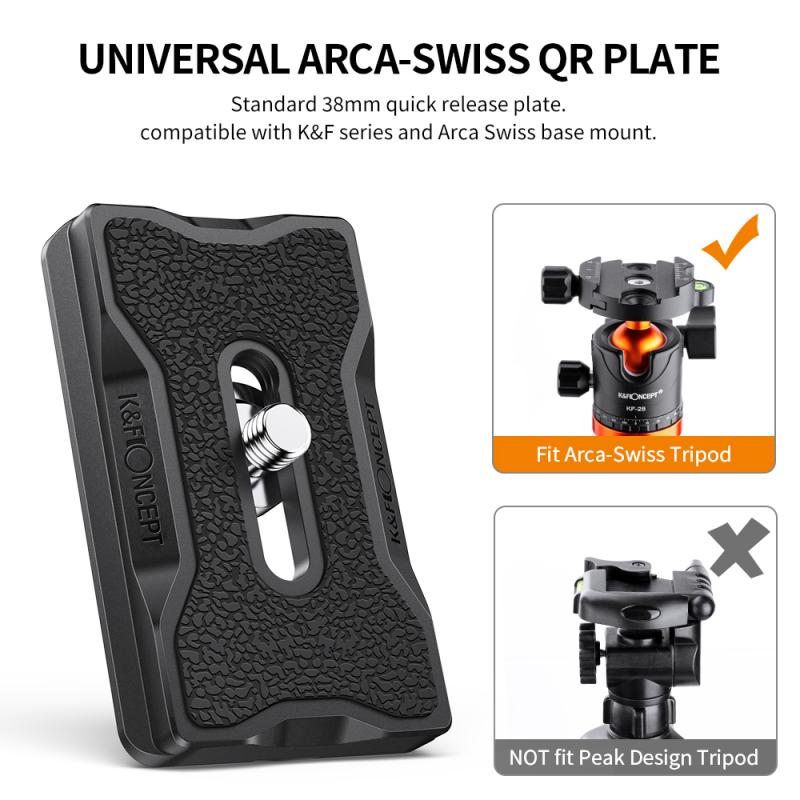
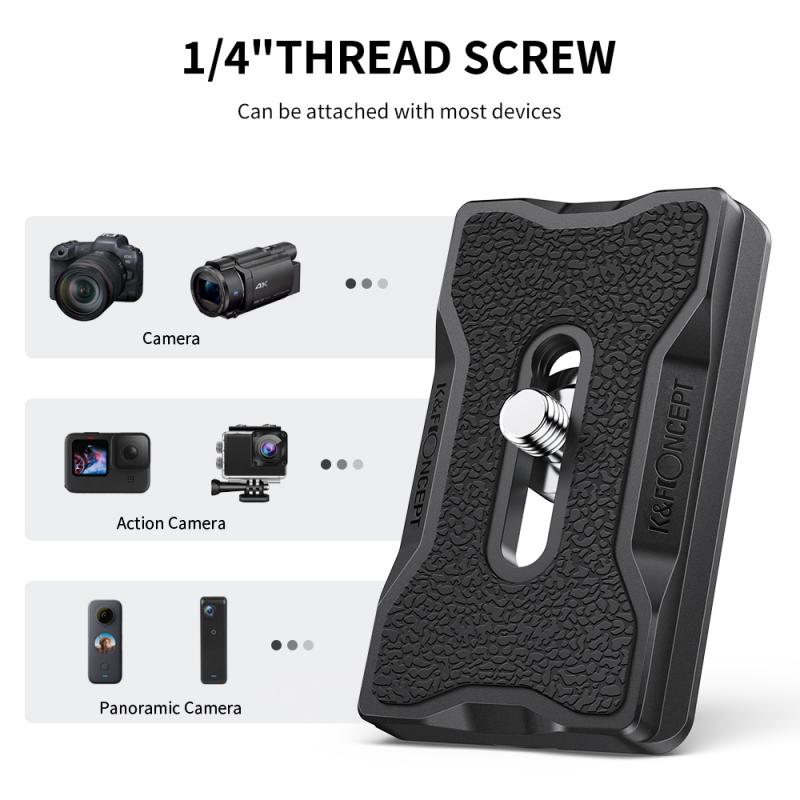
Most cameras use a 1/4-inch 20 thread on the bottom. You may see it written as: - 1/4"-20 - 1/4-20 UNC - standard tripod mount This is the small threaded hole on the base of most consumer cameras. It is used on: - mirrorless cameras - DSLR cameras - compact point-and-shoot cameras - many camcorders - camera cages - phone tripod adapters - small LED lights - microphones and accessory mounts Most consumer tripods also use this same 1/4-inch screw on the top plate, so a normal camera will usually screw straight on. If you have a Canon, Nikon, Sony, Fujifilm, Panasonic, Olympus/OM System, Pentax, or similar camera, there is a strong chance it has this standard mount.
Why some tripods have a larger screw
Some tripods, especially heavier photo and video tripods, use a 3/8-inch 16 thread. This is larger and more common on professional tripod heads, video heads, ball heads, sliders, and heavy-duty support gear. The important detail: the 3/8-inch thread is usually used between the tripod legs and the tripod head, not directly between the camera and tripod. For example, a sturdy tripod may have: - tripod legs with a 3/8-inch screw - a ball head attached to that screw - a quick-release plate on top of the ball head - a 1/4-inch screw on the plate for the camera So even if the tripod itself uses a larger thread internally, your camera may still attach normally through the head or plate. If you ever find that the screw is too large for your camera, you do not need a new camera or necessarily a new tripod. A small 3/8-inch to 1/4-inch adapter usually solves it. These adapters are cheap and easy to find, but they are also easy to lose, so I like keeping one in a camera bag pocket.
Quick-release plates are often the missing piece

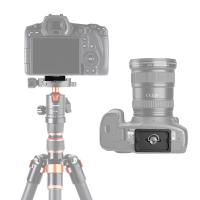
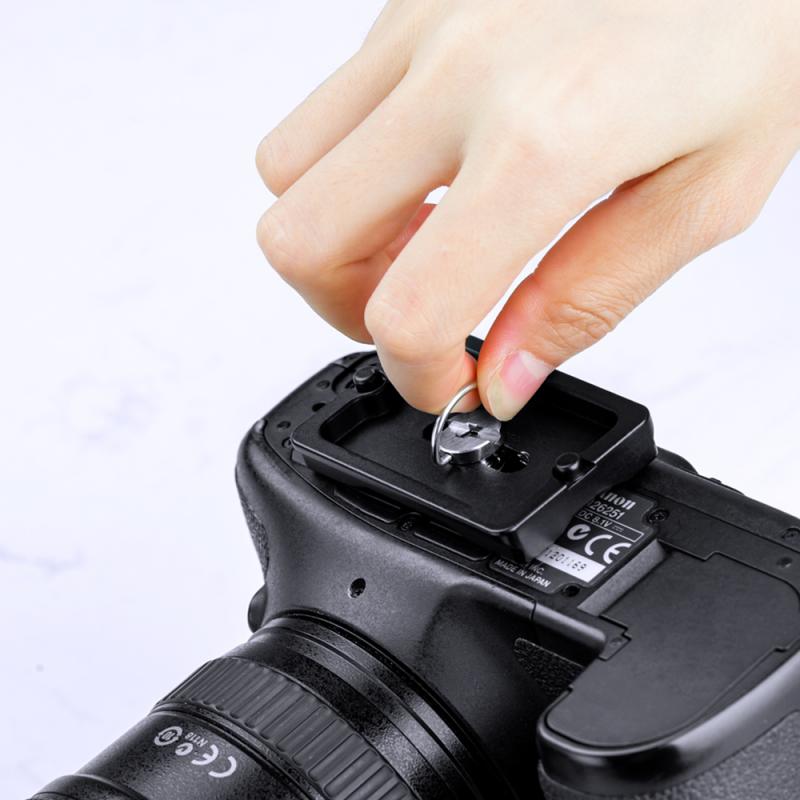
Many tripods do not have an exposed screw on top all the time. Instead, they use a quick-release plate. The plate screws into the bottom of your camera, then clips into the tripod head. This lets you remove the camera quickly without unscrewing it every time. This is where a lot of people get stuck. They find an old tripod in a closet, see a flat top with no obvious screw, and assume the camera does not fit. In many cases, the tripod is simply missing its quick-release plate. Unfortunately, quick-release plates are not universal. Some brands use their own plate shapes. Even within the same brand, different tripod models may use different plates. Common examples include: - small rectangular plates on budget tripods - Arca-Swiss style plates on many photography heads - Manfrotto-style plates on various photo and video heads - larger sliding plates on video tripods If your camera will not attach to a tripod because the plate is missing, look for the tripod model number and search for a replacement plate. Guessing by appearance can work, but it is hit-or-miss. A plate that looks almost identical may still wobble or fail to lock properly.
Arca-Swiss plates are the closest thing to a practical standard
For photography, Arca-Swiss compatible plates are very common. Many photographers prefer them because they are simple, sturdy, and widely supported by different brands. An Arca-style setup usually includes: - a clamp on the tripod head - a plate attached to the camera - a locking knob or lever The nice part is that once you put an Arca plate on your camera, you can move it between many compatible tripods, monopods, and clamps without changing plates. There are still small variations between brands, especially with lever clamps, but Arca-style gear is far more interchangeable than many proprietary quick-release systems. If you are buying a tripod for a mirrorless or DSLR camera and want flexibility, an Arca-compatible head is usually a safe choice.
A camera can physically screw onto a tripod and still be a poor match. This happens often with lightweight travel tripods. A small tripod might hold a compact camera just fine, but struggle with a full-frame camera and a long lens. The connection fits, but the setup becomes shaky, front-heavy, or difficult to frame accurately. A tripod’s load rating gives a rough idea of how much weight it can support, but real-world use is less tidy. A tripod rated for 8 pounds does not always feel solid with an 8-pound camera setup, especially outdoors or with a long telephoto lens. Long lenses create leverage. A 3-pound camera with a short lens may feel stable, while the same camera with a long zoom lens can sag forward after you tighten the head. That is not just annoying; it can ruin framing for landscapes, portraits, moon shots, and long exposures. For regular use, it is smart to choose a tripod rated comfortably above the weight of your camera and lens. I would rather have extra stability than run a tripod at its limit.
Compatibility is not only about the screw. The tripod head affects how usable the setup feels. A ball head is common for photography. It is quick to adjust and works well for landscapes, portraits, travel, and general shooting. Cheap ball heads, though, may creep downward after locking, especially with heavier cameras. A pan-and-tilt head gives separate control over horizontal and vertical movement. Beginners often find these easier because each direction can be adjusted separately. They are common on affordable tripods. A fluid video head is better for video because it allows smoother panning and tilting. You can put a still camera on a video head, and many hybrid shooters do exactly that. But a video head can feel bulky if you only take photos. A gimbal head is used for big telephoto lenses, especially wildlife and sports photography. It is not needed for normal cameras, but it can make a heavy lens feel almost weightless when balanced correctly. So yes, the camera may fit, but the wrong head can make the tripod frustrating.
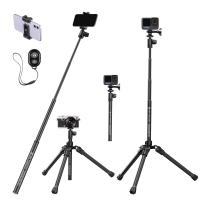
Phones do not have tripod screw holes built into the body, so they need a phone tripod mount. The mount clamps around the phone and has a 1/4-inch threaded socket on the bottom. Once the phone is in the mount, it can attach to a normal tripod. Action cameras are a little different. GoPro-style cameras often use a two-prong mounting system rather than a normal tripod socket. Most action camera kits include, or can use, a small adapter that converts the GoPro mount to a 1/4-inch tripod thread. This is why a regular tripod can still work with phones and action cameras. You just need the proper holder between the device and the tripod.
Many small camcorders use the same 1/4-inch thread as still cameras. Larger video cameras may use bigger plates, anti-twist pins, or longer sliding plates for balance. If you are mounting a video camera, pay attention to balance. Video cameras often need to slide forward or backward on the plate so the head does not constantly tilt down. A basic photo tripod may hold the camera, but it may not balance or move smoothly enough for filming. For casual home video, almost any stable tripod can work. For serious video, the head and plate matter as much as the tripod legs.
Some larger lenses have a tripod collar or lens foot. Instead of attaching the tripod to the camera body, you attach it to the lens. This is common with long telephoto lenses because the lens is heavier than the camera. Mounting from the camera body can put too much strain on the lens mount and make the whole setup front-heavy. If your lens has a tripod collar, use it. The setup will balance better, and the tripod head will be easier to control.
An older tripod may fit a modern camera perfectly if it has the standard 1/4-inch screw. The screw standard has been around for a long time. Before trusting an old tripod, check a few things by hand: - Does the screw tighten smoothly without forcing it? - Is the quick-release plate secure? - Does the head lock firmly? - Do the legs slip under weight? - Is there any cracked plastic around the clamps? - Does the camera wobble after mounting? Old budget tripods often fail at the plastic parts, not the screw. A camera falling from a weak quick-release clamp is a much bigger problem than thread compatibility. If the tripod feels flimsy with your camera mounted, do not use it for anything risky like outdoor long exposures, overhead shots, or uneven ground.
If the camera does not screw on easily, stop. Cross-threading the tripod socket can damage the camera base or the plate screw. A proper tripod screw should turn smoothly with light pressure. If it feels crooked, gritty, or unusually tight from the first turn, back it out and realign it. Also check screw length. Some cheap plates have screws that are too long for certain cameras or accessories. If the screw bottoms out before the plate tightens, the camera may wobble even though the screw is fully turned. A rubber pad, washer, or different plate can fix that, but do not keep tightening harder.
One tripod can fit many cameras, but not literally all of them without adapters or the right plate. For most people, the answer is simple: A standard tripod with a 1/4-inch mounting screw will fit most normal cameras. If the tripod uses a quick-release system, you need the correct plate. If the camera is heavy, the tripod must be strong enough to hold it safely. Phones and action cameras need adapters. If you are buying a tripod, check these before ordering: - your camera has a 1/4-inch tripod socket - the tripod includes its quick-release plate - the head can support your camera and lens weight - the plate system is easy to replace or upgrade - the tripod is stable enough for how you actually shoot For a small mirrorless camera, compact camera, or phone, compatibility is rarely difficult. For heavier cameras, long lenses, or video work, the fit is only the starting point. Stability, balance, and the tripod head will decide whether the setup actually works well.