How To Hide Security Camera?
How to Hide Security Cameras: A Comprehensive Guide
Security cameras are an essential tool for safeguarding your home or business. However, there are situations where you might want to keep your cameras discreet. Whether you’re trying to avoid tampering, maintain the aesthetic of your space, or simply keep your surveillance efforts private, hiding your security cameras can be a practical solution. In this article, we’ll explore various methods to conceal security cameras effectively, discuss the tools and techniques you can use, and address common concerns about hidden surveillance.
Why Hide Security Cameras?
Before diving into the methods, it’s important to understand why someone might want to hide their security cameras. Here are some common reasons:
1. Prevent Tampering or Theft: Visible cameras can be targeted by intruders who may attempt to disable or destroy them.
2. Maintain Aesthetics: Some people prefer not to have bulky cameras disrupting the design of their home or office.
3. Discreet Monitoring: In certain situations, you may want to monitor activity without making it obvious, such as keeping an eye on babysitters, employees, or contractors.
4. Avoid Privacy Concerns: Visible cameras can make guests or employees feel uncomfortable. Hidden cameras can provide security without drawing attention.
Regardless of your reason, it’s important to ensure that your use of hidden cameras complies with local laws and regulations. In many jurisdictions, it’s illegal to record people without their consent in private spaces, so always check the rules in your area before proceeding.
---
Methods to Hide Security Cameras
There are several ways to conceal security cameras, depending on the environment, the type of camera, and your specific needs. Below, we’ll outline some of the most effective methods.
1. Use Everyday Objects as Camouflage
One of the simplest ways to hide a security camera is to disguise it as part of your everyday environment. Here are some ideas:
- Bookshelves: Place the camera among books or decorative items on a shelf.
- Plants: Hide the camera inside a potted plant or among artificial foliage.
- Clocks or Picture Frames: Some cameras are designed to look like everyday objects, such as clocks or photo frames, making them virtually undetectable.
- Stuffed Animals: For indoor use, you can place a small camera inside a stuffed toy, which is especially useful in children’s rooms.
When using this method, ensure that the camera lens has a clear line of sight and is not obstructed by the object.
2. Install Cameras in Hard-to-Spot Locations
Strategic placement can make a camera less noticeable. Consider these locations:
- High Corners: Mount the camera in the upper corners of a room, where it’s less likely to be noticed.
- Behind Furniture: Place the camera behind objects like vases, lamps, or curtains, ensuring the lens is still exposed.
- Under Eaves or Roof Overhangs: For outdoor cameras, positioning them under eaves or overhangs can keep them out of direct view.
3. Use Specialized Camera Covers
There are camera covers and skins available that can help your device blend into its surroundings. For example:
- Camouflage Skins: These are designed to match the texture or color of walls, ceilings, or outdoor environments.
- Weatherproof Housings: For outdoor cameras, housings can be painted or customized to blend with the exterior of your home.
4. Integrate Cameras with Existing Fixtures
Another effective method is to integrate the camera into existing fixtures or appliances. For example:
- Light Fixtures: Some security cameras are designed to look like outdoor lights or can be installed inside existing fixtures.
- Doorbells: Video doorbells are a popular option for discreetly monitoring entryways.
- Smoke Detectors: Certain cameras are built to resemble smoke detectors, making them ideal for indoor use.
5. Hide Cameras in Outdoor Landscaping
For outdoor surveillance, you can use landscaping to your advantage:
- Trees and Bushes: Place cameras within dense foliage, ensuring the lens is not obstructed.
- Faux Rocks: Some cameras are designed to look like rocks, making them perfect for gardens or pathways.
- Birdhouses: Install a camera inside a birdhouse for a creative and functional hiding spot.
6. Use Wireless or Battery-Powered Cameras
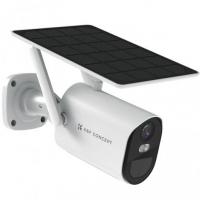
Wires can make cameras more noticeable, so opting for wireless or battery-powered models can make them easier to hide. These cameras can be placed in more versatile locations without the need for visible cables.
7. Install Cameras Behind Tinted Glass
If you want to monitor an area without exposing the camera, you can place it behind tinted or one-way glass. This is particularly useful for indoor surveillance, such as monitoring a front porch from inside your home.
---
Tips for Effective Camera Concealment
Hiding a security camera is not just about placement; it’s also about ensuring the camera remains functional and effective. Here are some tips to keep in mind:
1. Maintain a Clear View: Ensure that the camera lens is not obstructed by objects, dirt, or foliage.
2. Test the Angle: Before finalizing the placement, test the camera’s angle and field of view to ensure it captures the desired area.
3. Consider Lighting: Poor lighting can affect the camera’s performance. Make sure the area is well-lit or that the camera has night vision capabilities.
4. Secure the Camera: Even if the camera is hidden, it should be securely mounted to prevent it from falling or being accidentally discovered.
5. Regular Maintenance: Check the camera periodically to ensure it’s functioning properly and that its hiding spot hasn’t been compromised.
---
Legal and Ethical Considerations
While hiding security cameras can be a practical solution, it’s crucial to consider the legal and ethical implications. Here are some key points to keep in mind:
1. Know the Laws: In many jurisdictions, it’s illegal to record audio or video in areas where people have a reasonable expectation of privacy, such as bathrooms, bedrooms, or dressing rooms. Always check local laws before installing hidden cameras.
2. Inform Relevant Parties: If you’re using hidden cameras in a workplace or rental property, you may be legally required to inform employees or tenants.
3. Avoid Misuse: Hidden cameras should only be used for legitimate security purposes. Misusing surveillance equipment can lead to legal consequences and damage your reputation.
---
Hiding security cameras can be an effective way to enhance your surveillance efforts while maintaining discretion. By using everyday objects, strategic placement, and specialized equipment, you can conceal your cameras without compromising their functionality. However, it’s essential to balance your security needs with legal and ethical considerations to ensure that your surveillance practices are both effective and responsible.
Whether you’re protecting your home, monitoring your business, or simply looking for peace of mind, the methods outlined in this guide can help you achieve your goals. With careful planning and attention to detail, you can create a secure environment that blends seamlessly with your surroundings.