How Do Digital Cameras Capture An Image?
How Digital Cameras Capture an Image: A Comprehensive Guide
In our digital age, the advent and evolution of digital cameras have revolutionized the way we document, perceive, and cherish moments. Compared to traditional film cameras, digital cameras offer unparalleled convenience, versatility, and image fidelity. Yet, many people wonder: How exactly do these marvels of technology translate the beauty of the world into photographs stored on memory? The process might seem instantaneous, but it involves an impressive sequence of technological steps. This article explores how digital cameras capture an image, breaking down the processes with clarity and detail.
The Core Process: Overview
At its essence, the primary function of a digital camera is to record light and convert it into an electrical signal that can be interpreted as a digital image. This process involves several components working in harmony: the lens, the image sensor, the shutter, and the signal processor. Together, these elements ensure the light entering the camera is manipulated, measured, and stored as a high-quality image.
Below, we break this process into its fundamental parts, explaining the science, technology, and mechanics.
1. Capturing Light: The Role of the Lens
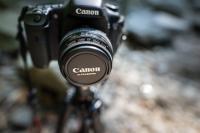
The process begins when light from the scene you wish to photograph enters through the lens. A lens is a precisely engineered optical component that gathers and focuses light. Its primary purpose is to ensure that the light captured converges correctly to create a sharp image on the camera’s sensor.
Key factors involved in capturing light through the lens include:
Aperture: This is an adjustable opening in the lens that controls the amount of light entering the camera. Larger apertures (lower f-stop numbers) allow more light, while smaller apertures (higher f-stops) reduce the light.
Focal Length: This determines the angle of view and magnification. A longer focal length produces a zoomed-in effect, while a shorter one captures a wider field.
Focus: By adjusting the lens, the camera ensures that the light rays converge properly onto the sensor.
The lens essentially forms the "gateway" that processes and directs light correctly into the internal mechanisms of the camera.
2. Exposure: The Shutter Mechanism

Once the light passes through the lens, the next critical step is control over exposure—how long the sensor is allowed to "see" the light. This is managed by the camera's shutter, which is a mechanical or electronic curtain that opens and closes to regulate how long the light hits the sensor.
Shutter Speed: This determines the duration of exposure (e.g., a fast shutter speed like 1/1000 seconds captures motion sharply, while a slow speed like 1 second can create motion blur).
Burst Control: Modern digital cameras enable rapid shooting with electronic shutters to capture multiple images in quick succession.
The shutter’s precise timing is vital for balancing light levels and effectively freezing or capturing movement in the scene.
3. Translating Light: The Image Sensor

The most crucial component of a digital camera is the image sensor, which translates light into an electrical signal. This sensor is essentially the "film" in a digital camera, and it exists in two main formats:
CMOS (Complementary Metal-Oxide Semiconductor) sensors: These are efficient, fast, and widely used in most modern cameras and smartphones.
CCD (Charge-Coupled Device) sensors: These older sensors are known for high image quality but consume more power.
How an image sensor works:
1. Photo Sites: The sensor is covered with millions of tiny photo sites (pixels), each of which measures light intensity. More pixels typically mean higher resolution.
2. Color Filters: Since the sensor only measures brightness, it is overlaid with a color filter array (such as the Bayer filter) to capture red, green, and blue light. These primary colors are later combined to reproduce the full spectrum of color.
3. Signal Conversion: The light hitting each photo site generates electrical charges proportional to the light’s intensity. These analog signals are then sent to the camera’s processor for conversion to digital form.
4. Processing the Data: The Image Signal Processor
The raw data collected by the image sensor is largely unusable by itself. At this stage, the camera’s image signal processor (ISP) converts the raw sensor signals into a finished image by performing several key functions:
Demosaicing: Reconstructing full-color images from the filtered red, green, and blue light data.
Noise Reduction: Minimizing unwanted digital noise in low-light conditions.
Compression and File Conversion: Storing the data as a JPEG (compressed format) or RAW file (uncompressed format).
White Balance: Adjusting colors to account for the light sources in the scene.
The ISP plays a vital role in ensuring that the final photograph appears vibrant, clear, and true to life.
5. Storing the Image: Memory Cards and Beyond
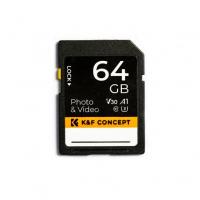
Once the image is processed, it is saved as a digital file onto the camera’s storage medium, usually a memory card (e.g., SD card, CF card). Modern cameras allow photographers to select the file format in which images are saved:
JPEG: A compressed file type that is space-efficient and easy to share.
RAW: A larger file that retains all image data, offering extensive post-processing flexibility later.
Storage size and speed significantly impact the photographer’s experience, particularly in burst or high-resolution shooting.
Advanced Features and Enhancements
Modern digital cameras incorporate advanced technologies to enhance image quality and user experience:
Autofocus Systems: Use contrast or phase detection to ensure sharp focus.
Image Stabilization: Reduces blur caused by camera shake.
Dynamic Range Optimization: Extracts details from shadows and highlights.
AI and Scene Recognition: Intelligent algorithms that automatically adjust settings for the best results.
The integration of these technologies empowers users to achieve professional-grade photography with minimal manual adjustments.
Understanding Digital Camera Performance
When evaluating or using a digital camera, it’s helpful to understand the relationship between various settings and output quality:
ISO Sensitivity: Higher ISO settings make the sensor more sensitive to light, useful in low light, but can introduce noise.
Megapixels: While higher megapixels provide more detail, they are only one component of image quality.
Lens Quality: A high-quality lens can often matter more than the camera body itself, contributing significantly to sharpness and clarity.
The combined interplay of these factors influences the camera’s performance and the resulting image.
Practical Applications and Tips
The mechanism of digital image capture serves various purposes in practical photography:
- In portrait photography, understanding aperture helps to create a shallow depth of field with a beautiful background blur (bokeh).
- In sports photography, controlling shutter speed is crucial to freeze fast-moving subjects.
- In landscape photography, setting a high dynamic range and low ISO produces crisp, detailed shots.
For beginners, experimenting with manual settings alongside automatic modes can offer insights into mastering the features of digital cameras.
Conclusion: A Marvel of Modern Technology
The ability of digital cameras to capture an image seamlessly is a testimony to the advancement of modern technology. By combining optics, electronics, and computational processing, cameras today achieve feats unimaginable just decades ago. Whether you are a novice seeking to improve your skills or a seasoned enthusiast looking to dive deeper, understanding the mechanics of image capture enriches both your theoretical knowledge and practical application.
By mastering how digital cameras work from light intake to final storage, you’ll gain the tools to elevate your photography, appreciate its artistry, and better navigate the digital tools at your disposal.