Car Camera Can Record Side?
The Comprehensive Guide to Side-Recording Car Cameras: A Modern Solution for Enhanced Vehicle Security
In the fast-evolving world of automotive technology, car cameras—or dash cams—have become an indispensable tool for drivers seeking to enhance their vehicle's safety, security, and situational awareness. While most discussions about dash cams focus on front or rear recording capabilities, there’s a growing segment of devices gaining attention—car cameras equipped to record the sides of vehicles. These versatile systems cater to a variety of driver needs, including traffic incident documentation, parking surveillance, and comprehensive blind spot monitoring.
If you’re considering a car camera system that can record side views, this article will explore everything you need to know, including their features, benefits, practical applications, and potential drawbacks. By the end, you’ll have a clear understanding of whether side-recording car cameras are right for you—and which types might suit your unique needs.
What Are Side-Recording Car Cameras?
Side-recording car cameras are specialized systems (or multi-camera setups) designed to capture footage from the left, right, or full lateral sides of a vehicle. Unlike standard dash cams that focus predominantly on what's directly in front or behind your car, side-recording cameras are installed at strategic angles—often in side mirrors, on the pillars of the car, or even built into multi-directional systems.
These cameras may record footage continuously, activate during specific scenarios (e.g., detecting motion while parked, or when a vehicle changes lanes), or integrate with other safety or monitoring systems like lane-assistance technology.
Why Do Drivers Need Side-Recording Cameras?

In today’s urban environments and highway commutes, the need for side-recording car cameras boils down to several overlapping demands, including safety, security, and convenience. Here are the primary reasons drivers are turning to this technology:
1. Enhanced Security During Parking
Whether you’re parallel parking on a crowded street or leaving your car in a public lot, parking-related incidents are all too common. Sides of vehicles are particularly vulnerable to door dings, accidental scrapes, or vandalism. Side-recording cameras provide extra coverage and allow drivers to review any incidents or identify culprits. Paired with motion-detection features, these cameras can monitor your car’s surroundings even when you’re not inside the vehicle.
2. Accurate Incident Documentation
Car accidents on the road are rarely straightforward, especially when there are disputes about who was at fault. A side-recording camera can document important details such as lane violations, side-impact collisions, or evidence of unsafe lane merging by another driver. These recordings can provide crucial evidence for insurance claims or for defending against unwarranted liability.
3. Reduction of Blind Spots
While manufacturers are integrating advanced blind-spot monitoring systems in new vehicles, older or less-equipped models often lack such features. A side camera can act as an excellent addition, providing supplementary footage to help you spot motorcycles, cyclists, or small objects on the road. This can dramatically reduce the risk of side-swipe accidents, especially during lane changes or when navigating tight city streets.
4. Ride-Sharing and Fleet Applications
For gig workers in ride-sharing roles or companies managing delivery fleets, side-camera footage is invaluable. Drivers can use cameras to monitor passenger interactions during pick-ups or drop-offs, track incidents occurring near the vehicle (e.g., hit-and-runs), or deter theft during deliveries. Fleet managers can leverage this footage for accountability, insurance purposes, and driver training.
5. Improved Driving Awareness
Side cameras can enhance one’s situational awareness by offering drivers a real-time video feed via dashboard displays. This serves as an additional set of "digital eyes" while navigating dense traffic, enabling safer decision-making on the road.
Types of Side-Recording Car Camera Systems
When shopping for a side-recording car camera, you’ll encounter several models designed to fit different requirements. Here are the most common types:
1. Dedicated Side-Mounted Cameras
These are designed explicitly for lateral surveillance, often installed near side mirrors or vehicle pillars. They record both continuously and during specific trigger events like when turn signals are activated.
2. Multi-Channel Dash Cams
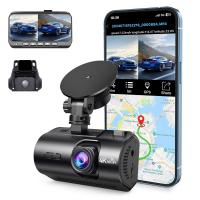
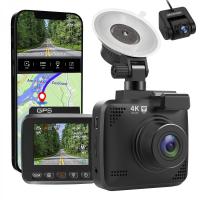
Many high-end dash cams come equipped with dual, triple, or quad-channel capability, enabling simultaneous recording of front, rear, and side views. These systems are popular because they provide a complete 360-degree view of the surroundings and require fewer installation modifications.
3. OEM (Original Equipment Manufacturer) Cameras
Increasingly, automakers are integrating side cameras into new vehicle designs. These factory-installed solutions are built for seamless compatibility with vehicle systems and may offer advanced features like integration with blind-spot detection.
4. Aftermarket Side Camera Kits
For older or base-model cars, aftermarket camera kits are an affordable and customizable solution. Many include multiple cameras that link back to a DVR unit, supporting continuous monitoring and playback functionality.
Key Features to Look for in a Side-Recording Camera
To ensure you’re getting the best bang for your buck, look for the following features when evaluating side-recording camera systems:
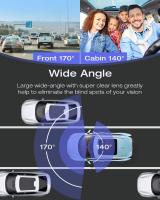
Wide-Angle Lenses: Ensure the camera covers a broad field of view to reduce blind spots. A lens offering at least 140° coverage is ideal.
High Definition Recording: Opt for 1080p or higher resolution to capture detailed footage, especially in the event of an accident.
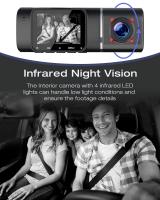
Night Vision: Parking surveillance and late-night driving require cameras capable of providing clear footage in low-light conditions.
Motion Detection: This feature activates recording when movement near your car is detected, which is useful for security during parking.
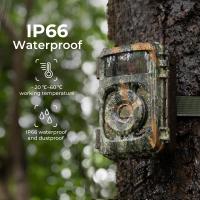
Weather Resilience: Side-facing cameras need to withstand exposure to rain, extreme temperatures, and dust. Consider waterproof and rugged models.
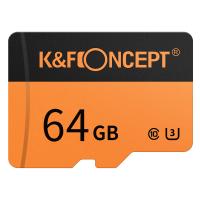
Storage Capacity: Whether using an SD card or cloud-based storage, ensure there's sufficient capacity to store extended high-resolution footage.
Integration with Smartphones or Displays: Many modern systems allow you to view side-camera footage in real-time through your phone or dashboard display.
Installation Considerations
Installing side-recording cameras might appear daunting, but with the right approach, it can be relatively straightforward. Some systems are plug-and-play, while others require professional installation to integrate wiring snugly into your vehicle's existing structure.
DIY Installation: Many aftermarket kits come with adhesive mounts and clear instructions for do-it-yourself setups—perfect for tech-savvy drivers.
Professional Installation: Complex systems, especially those requiring connections to electric turn signals or vehicle displays, may benefit from professional assistance to ensure seamless operation.
Advantages and Potential Drawbacks
Advantages:
- Comprehensive 360-degree monitoring when paired with other dash cams.
- Enhanced driver confidence and accountability in daily and professional driving.
- Ability to deter theft or vandalism with visible side-mounted cameras.
- Supports evidence collection for insurance claims or police reporting.
Potential Drawbacks:
- Higher setup cost compared to single-channel dash cams.
- Increased technical complexity, especially for multi-channel systems.
- Some cheaper models may lack durability or image clarity during adverse conditions.
Final Thoughts: Is a Side-Recording Camera Worth It?
Choosing to invest in side-recording car cameras depends on your unique needs as a driver. If you frequently park in high-risk areas, share the road with heavy traffic, or work in ride-sharing or fleet management, the added layer of security and situational awareness can more than justify the cost. For everyday drivers, integrating side-recording cameras with front and rear dash cams can provide unparalleled peace of mind and a comprehensive safety net.
When selecting a system, prioritize models with high durability, crystal-clear footage, and features that cater to your specific use case. With the increasing affordability and accessibility of these technologies, side-recording car cameras are becoming a valuable addition for drivers serious about protecting their vehicles and ensuring their journeys are as safe as possible.