How To Run Cable For Security Cameras?
Installing security cameras is a practical and beneficial endeavor for homeowners and business owners alike, as these systems provide surveillance that can deter criminal activity and offer peace of mind. However, one of the most critical aspects of setting up a security camera system is running the cables effectively. Without proper cable management, the system may be unreliable or less efficient. In this article, I’ll provide an in-depth guide on how to run cables for security cameras safely, efficiently, and with minimal hassle. This guide is intended to address common questions and challenges that users face during installation, and it includes actionable advice for different types of setups.
1. Understanding Cable Types for Security Cameras
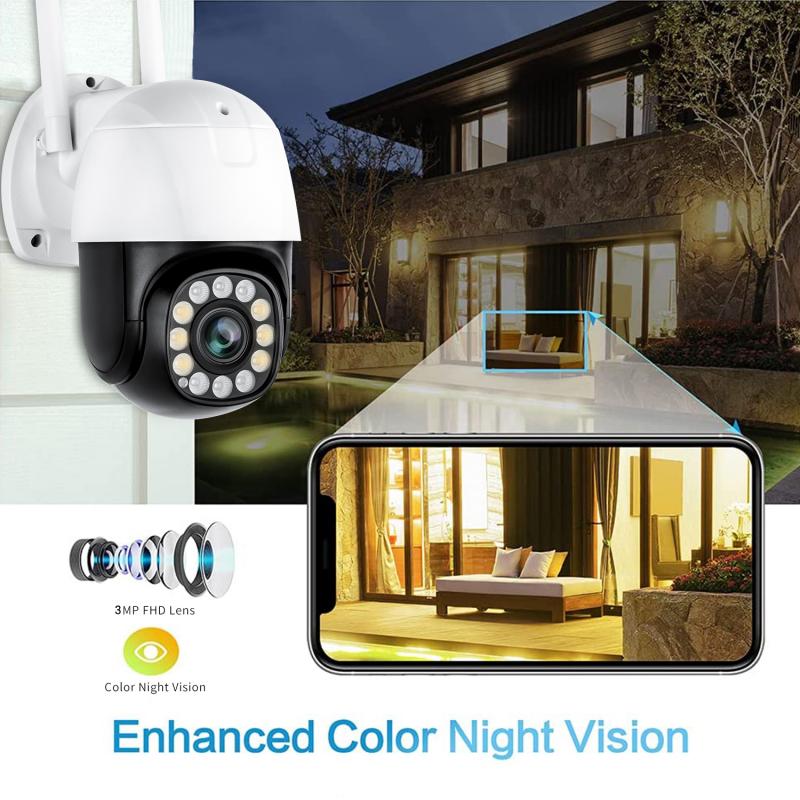
Before running cables, it’s important to understand the type of cables your security camera system requires. The two most common options are:
a) RG59 or RG6 Coaxial Cable for Analog Systems:
Analog systems typically use coaxial cables (like RG59 or RG6) for video transmission. These cables often have a combined power wire, which means they can also deliver power to the cameras.
b) Ethernet Cable for IP Cameras (PoE):
IP (Internet Protocol) cameras generally use Ethernet cables (like Cat5e or Cat6) for both power and data transmission, utilizing Power over Ethernet (PoE) technology. This simplifies the installation process by eliminating the need for separate power cables.
2. Planning Your Cable Route
Proper planning is key to successful cable installation. A poorly planned route can lead to signal interference, messy appearances, or even damage to the cable over time. Follow these steps to design an efficient route:
a) Measure the Distance:
Determine how far each camera is from the recording device (DVR/NVR) or power source. This will help you purchase the right length of cable and avoid unnecessary splicing. For most systems, cable lengths are available up to 150–300 feet or more.
b) Minimize Obstacles:
Identify potential hazards or obstacles like walls, ceilings, floors, or outdoor features that the cable will need to pass through. Use tools like fish tape or cable pullers to avoid tangling or damaging the cables.
c) Choose Indoor or Outdoor-Specific Cabling:
Outdoor cameras require weatherproof cables that can withstand harsh conditions like rain, UV rays, or extreme temperatures. If you’re running cables indoors only, you can avoid spending extra on outdoor-rated materials.
3. Tools and Materials You’ll Need
Running cables for security cameras requires basic tools and materials, including the following:
- Drill and drill bits for creating holes in walls or ceilings
- Fish tape or cable puller to route cables through tight spaces
- Cable ties or clips for secure mounting
- Junction boxes for connecting cables in outdoor setups
- Staples or mounts for securing cables against walls
- Electrical tape for insulating cable joints
- Cable conduit or PVC tubing for additional protection (optional)
Having these items ready will make the installation process much more seamless.
4. Running the Security Camera Cable
Here’s a step-by-step process on how to run the cable efficiently:
Step 1: Drill Holes Where Necessary
If your cable needs to pass through walls, ceilings, or floors, you’ll need to drill holes accordingly. Be sure to mark these drilling points beforehand and double-check for wiring, plumbing, or other obstacles within the surface.
Step 2: Use Fish Tape or Cable Puller
For vertical spaces or areas behind walls, use fish tape to guide your cable through. Attach the cable to the fish tape and carefully pull it through the drilled holes. This method helps ensure the cable is securely routed without twists or damage.
Step 3: Secure the Cable
Once the cable reaches the end-point (camera or recording device), fasten it along the surface using cable clips, staples, or tie mounts to keep it orderly. Loose, hanging cables can become damaged or create a tripping hazard.
Step 4: Connect to the Camera and DVR/NVR or Power Source
After routing the cable, connect one end to the camera and the other end to the DVR/NVR or power source. Ensure the connections are firm and properly insulated to prevent loose hardware or interruptions. If using Ethernet cables for PoE cameras, connect each cable to the switch or NVR.
5. Tips for Outdoor Installations
Outdoor setups pose additional challenges, such as exposure to weather and wildlife. Follow these precautions to extend the lifespan of your cable installation:
- Use waterproof junction boxes to protect cable connections.
- Choose UV-resistant cables and conduits for better weatherproofing.
- Avoid running cables close to sharp edges, rough surfaces, or areas with heavy foot traffic, as this may wear them down over time.
- Elevate or bury cables to keep them out of reach of animals like rodents.
6. Common Challenges and How to Address Them
Here are some typical issues users face when running security camera cables and how to resolve them:
a) Interference or Signal Loss:
Improper shielding can lead to signal interference, especially for analog systems using coaxial cables. Always buy cables with quality shielding materials and avoid running them close to high-voltage electric cables.
b) Short Cable Lengths:
Running out of cable halfway through installation can lead to frustration. Always measure distances accurately and purchase cables longer than your estimated needs to allow for slack. You can use a coupler to extend cables if necessary.
c) Messy Cabling:
Unsecured cables can lead to chaos, both visually and functionally. Use cable management tools, such as cable conduits, ties, and clips, to create a clean and professional appearance.
d) Moisture Damage:
Outdoor cables may corrode if exposed to water or moisture. Waterproof cable housing, such as PVC conduit, is highly recommended for outdoor installations.
7. Mistakes to Avoid
Even seasoned installers can make missteps during the process. Avoid these common mistakes:
Running cables without testing first: Ensure all cables and cameras are functional before securing them into place.
Ignoring safety protocols: Always wear gloves, goggles, and other safety gear to prevent injuries during drill work.
Neglecting cable labeling: Label each cable to match the camera it’s connected to. This will save time during troubleshooting or replacing equipment in the future.
8. Verifying System Functionality Mini-SAS Cables
Once your cables are properly installed and connected, conduct a thorough test of your security camera system to verify that everything is functioning.
- Check the camera feed for visual clarity.
- Confirm that your DVR/NVR (or PoE switch) is receiving signals from all connected cameras.
- Test the system for connectivity issues and ensure all areas are covered by surveillance.
Running cables for security cameras may seem like a daunting task at first, but with proper planning, the right tools, and a systematic approach, it can be accomplished with ease and efficiency. A well-installed cable system not only enhances the reliability of your security cameras but also ensures that your property is safeguarded against potential threats. Whether you’re setting up a simple indoor system or a more complex outdoor network, investing time upfront to plan your cable route and manage materials will save you from headaches down the road.
Security starts with vigilance, and the physical organization of your equipment is a foundational step to creating a secure environment. By following the tips in this guide, you’ll be able to create a robust and professional setup tailored to your needs.
![Supfoto Osmo Action 3 Screen Protector for DJI Osmo Action 3 Accessories, 9H Tempered Glass Film Screen Cover Protector + Lens Protector for DJI Osmo 3 Dual Screen [6pcs]](https://img.kentfaith.com/cache/catalog/products/us/GW41.0076/GW41.0076-1-200x200.jpg "Supfoto Osmo Action 3 Screen Protector for DJI Osmo Action 3 Accessories, 9H Tempered Glass Film Screen Cover Protector + Lens Protector for DJI Osmo 3 Dual Screen [6pcs]")