Can Film Cameras Work Without Batteries?
The resurgence of film cameras has sparked an interest in their operation, which often differs significantly from their digital counterparts. A question that frequently arises among enthusiasts and newcomers to the analog photography world is: Can film cameras work without batteries? This query stems from the perception that vintage devices are inherently simpler and less reliant on electronic components, and the answer is multifaceted.
Understanding the Basics of Film Camera Operation
To address this question comprehensively, it's essential to understand how film cameras operate. Film cameras capture images by exposing light-sensitive film to light, allowing chemical reactions to imprint the scene on the medium. Unlike digital cameras, which convert light into electronic data, film cameras rely more heavily on mechanical systems to deliver their functionality.
Film cameras have components like shutters, film advance mechanisms, and light meters. Depending on the make and model, some of these components are mechanically powered, while others need electronic assistance. Batteries typically exist in film cameras to support light meters, motorized film winding mechanisms, and other auxiliary features. However, this doesn’t mean that the entire operation of the camera halts without battery power.
Mechanical Film Cameras: Functionality Without Batteries
Many older film cameras, particularly fully mechanical ones, can operate entirely without batteries. Models like the Nikon FM2, Pentax K1000, and Leica M6 are prime examples of cameras that are completely functional without a battery when it comes to core operations such as advancing film, setting exposure through manual controls, and releasing the shutter.
These cameras rely on intricate mechanical systems instead of electronic ones to manage core functions. The shutter speed dial, aperture control, and the ability to advance film manually make these cameras independent of electric power. Users, however, will typically need to rely on external light meters or their intuition to estimate exposure settings when a camera’s internal light meter is inaccessible due to a lack of battery power.
Electronic Film Cameras: Battery Dependency
On the other side of the spectrum are electronic film cameras, which lean more heavily on battery usage. These cameras, such as the Canon AE-1 or Minolta X-700, integrate electronic components like automatic exposure systems, built-in light meters, and sometimes motorized film winders. While some of these models will allow the shutter to be released even without batteries, many will not function at all if battery power is absent. Features like auto-focus systems and electronic shutters are entirely dependent on a charged battery.
For example, the Canon AE-1 requires battery power to operate its shutter control system. Without batteries, the camera becomes essentially inoperative. This is one of the reasons why photographers must carefully assess battery requirements when considering the purchase of vintage film cameras.
Hybrid Film Cameras: Partial Dependency on Batteries
Some film cameras fall into a hybrid category, offering a degree of functionality even without batteries, albeit with limitations. For instance, the Olympus OM-2 provides mechanical operation at fixed shutter speeds even if the electronics aren’t powered. Hybrid cameras are a bridge between the fully mechanical and fully electronic categories, offering a backup mechanism for battery failure scenarios.
These models reflect the foresight of manufacturers who attempted to provide assurances against system failures caused by depleted batteries. They often allow basic functions that are enough for capturing images but may limit advanced capabilities.
Managing Film Photography Without Batteries: Practical Tips
For those using mechanically operated cameras, shooting without batteries is straightforward. However, this requires a good understanding of manual exposure settings, including how to calculate or approximate shutter speed, aperture, and ISO for given lighting conditions.
Here are some practical tips for shooting with film cameras that have no battery or when the battery is depleted:
1. Use an External Light Meter: A handheld light meter can become your best friend when using a mechanically powered camera. These devices provide accurate readings that allow you to calculate the optimal exposure manually.
2. Learn Sunny 16 Rule: The Sunny 16 rule is an excellent fallback for occasions when you don’t have access to a light meter. It states that, under bright sunlight, you can set your aperture to f/16 and your shutter speed to match the reciprocal of your film’s ISO (e.g., for ISO 100 film, use 1/100 shutter speed).
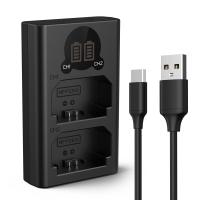
3. Carry Spare Batteries for Hybrid or Electronic Cameras: If your camera partially or fully depends on batteries, always have spares on hand. Lithium or alkaline batteries are compact and inexpensive, making them convenient to lug along during shoots.
4. Experiment with Manual Settings: Familiarize yourself with operating your camera without relying on its electronic features. Even if your camera can function without batteries, using manually controlled settings can be an enriching learning process for photographers.
5. Understand Your Camera’s Design: The best advice for film photographers is to study the specific design and features of their camera model. This will help you know which functions will remain operational without batteries and which won’t.
The Appeal of Battery-Free Photography
For many photography enthusiasts, the appeal of working with battery-free or minimal-battery cameras lies in the simplicity and reliability they offer. Mechanical film cameras have fewer points of failure compared to electronic ones, making them popular among adventurers and travelers who need equipment that can endure rugged conditions.
Additionally, battery-free cameras contribute to a more deliberate and focused practice of photography. Without automated aids or reliance on electronics, photographers are compelled to think critically about settings and how to achieve proper exposures. This process enhances one's technical understanding of photography and develops the skill of reading light intuitively.
What Type of Camera Works Best for You?
Film photographers often choose cameras based on workflows and personal preferences surrounding batteries. Here are some considerations:
Fully Mechanical Cameras: Ideal for purists and those seeking to appreciate the artistry of analog photography without any reliance on electronics. Perfect for professionals looking for durability or hobbyists enthusiastic about retro devices.
Electronic Cameras: Best suited for photographers who prioritize convenience and features such as automatic exposure, motorized film winding, and integrated light meters. These cameras tend to be more beginner-friendly due to their automated systems.
Hybrid Cameras: The midpoint between mechanical and electronic cameras, hybrids provide a balance of features and reliability. They offer electronic benefits when batteries are functional and rudimentary mechanical operations in their absence.
Conclusion: Can Film Cameras Work Without Batteries?
Ultimately, the statement "Film cameras can work without batteries" is both true and false, depending on the type of camera. Fully mechanical cameras have no dependency on batteries for core operations, while electronic and hybrid models often require batteries to function efficiently or at all.
Being knowledgeable about your camera’s design and operation is critical in understanding its battery reliance. Whether you aim to shoot entirely without batteries or embrace the convenience of electronic features, film photography offers an enduring charm that allows you to capture timeless moments with a distinct analog aesthetic.
By choosing the right camera and embracing its unique mechanisms, you can enjoy the art form of film photography, regardless of whether batteries are involved. It’s this adaptability and simplicity that continue to inspire photographers to pick up roll after roll of film and create captivating images that stand the test of time.