How To Charge Smart Watch With Phone?
Smartwatches have become an essential part of daily life, helping users track fitness, receive notifications, monitor health, and even make payments. However, one common problem many people face is forgetting or losing the original charger. Since most smartwatches use proprietary charging docks or magnetic connectors, charging them without the official charger may seem impossible at first. Fortunately, there are several alternative methods that can help restore battery power safely in emergency situations.
Understanding how smartwatch charging works is important before trying any workaround. Most smartwatches rely on magnetic charging pins, wireless charging technology, or USB-based power transfer. Using the wrong method can damage the battery or internal components. The goal is to use safe and temporary solutions until a replacement charger becomes available.
Using a Phone to Charge Your Smartwatch via Wireless Power Sharing
Some Android phones offer reverse wireless charging that can top up compatible watches. This feature, known as Samsung Wireless PowerShare, allows you to use your Galaxy phone to charge your watch. Expect a slow rate around 2.5W to 4.5W, which is suitable for emergency boosts. Alignment is critical, so reposition the watch if charging stops.
When using wireless power sharing, you may need to remove accessories or covers from your phone. Try not to move the phone or the watch while the watch is charging. Newer models that support Qi technology will be able to use wireless power sharing. Note that the Galaxy Watch7, Watch Ultra, and Watch8 series are not compatible with wireless power sharing.
iPhone does not natively reverse charge Apple Watch. Use a USB-C adapter, USB-C power bank, or a laptop's USB-C port with the Apple puck. A compact USB-C power bank often provides the most convenient travel solution.
- Samsung Wireless PowerShare compatibility
- Newer Galaxy Watch models that support Qi technology are compatible. The Galaxy Watch7, Watch Ultra, and Watch8 series are not compatible with wireless power sharing.
- iPhone and Apple Watch
- iPhone does not natively reverse charge Apple Watch. Use a USB-C adapter or USB-C power bank with the official Apple puck instead.
- Charging rate
- Reverse wireless charging from a phone delivers approximately 2.5W to 4.5W, suitable for emergency boosts rather than primary charging.
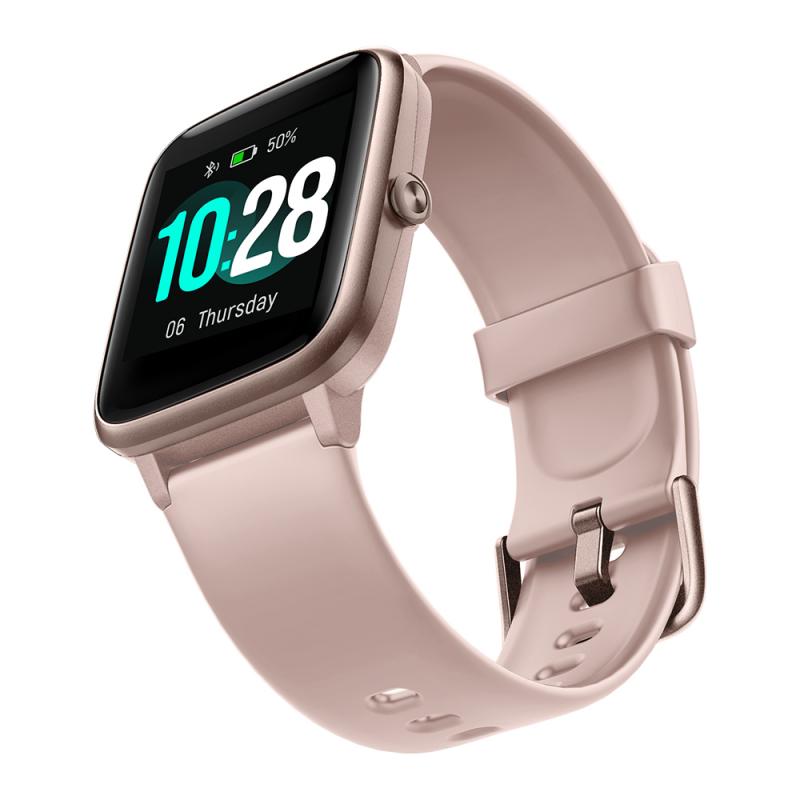
Using a Phone Charger (Wall Adapter) to Charge Your Smartwatch
Yes, you can usually charge a smartwatch with a phone charger, provided you use the official charging cable or puck and a certified USB power adapter. Most watches regulate their own power draw and accept USB-C PD or 5V USB-A sources. Avoid no-name high-voltage adapters and unverified magnetic chargers.
A phone charger is typically safe because the smartwatch and its charging puck regulate the incoming power. The charger only supplies what the watch requests through USB or USB-C Power Delivery. Compatibility depends more on the cable or puck than the wall adapter.
- USB-A ports normally provide 5V at up to 2A, which is 10W. USB-C PD adapters can negotiate 5V, 9V, 12V, 15V, and more, but the watch puck usually requests 5V.
- Most smartwatches draw between 1W and 5W, far below the headline rating of a modern phone charger.
- The charging puck and the watch contain control circuits that cap current and manage heat.
- Apple Watch 11 fast charging is roughly up to 5W with the Apple USB-C fast charge cable.
- Samsung Galaxy Watch 8 typically draws about 5W during normal charging.
- Higher wattage does not push more power into the watch. The puck requests what it needs during PD or USB negotiation. A 65W GaN laptop charger is fine because the watch only consumes low single-digit watts.
It is safe if the charger is certified and you use the correct official, MFi, or manufacturer-approved cable. Look for compliance logos like USB-IF, CE, UL, or ETL. Avoid suspicious bricks that advertise unrealistic outputs or lack safety marks.
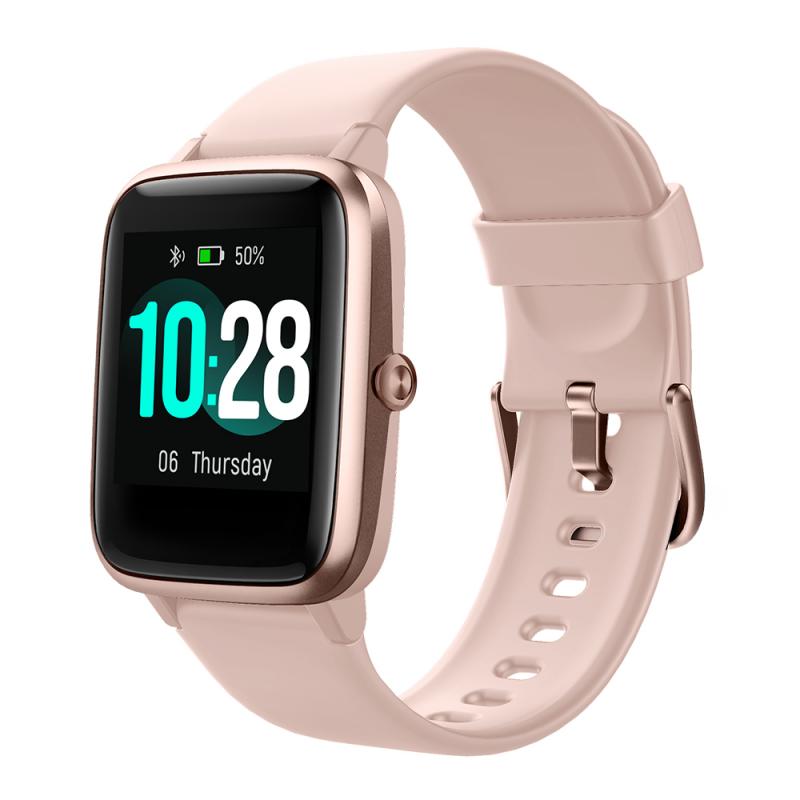
Charger Type Comparison and Smartwatch Compatibility
The following table shows how different phone charger types interact with common smartwatch models:
- USB-A 5W cube (5V 1A, USB BC 1.2)
- Works with Apple Watch puck and Samsung puck. Slow but safe. A common travel option.
- USB-A 10W cube (5V 2A, USB BC 1.2)
- Works with both Apple Watch and Samsung Galaxy Watch at near full speed.
- USB-C 20W PD (5V to 9V, USB-C PD)
- Works with Apple Watch 11 for fast charging; works with Galaxy Watch 8 at its 5W draw. Ideal everyday choice.
- USB-C 30W GaN (5V to 20V, USB-C PD)
- Works with both Apple Watch and Samsung Galaxy Watch. Runs cool. Great for multi-device use.
- Laptop 65W USB-C port (5V to 20V, USB-C PD)
- Works via the official Apple puck or Samsung puck. Draw is limited by the puck, not the laptop.
- Unknown no-name brick (claimed 30W+, unknown protocol)
- Avoid for safety. Lacks certifications and may pose a risk to the battery and device.
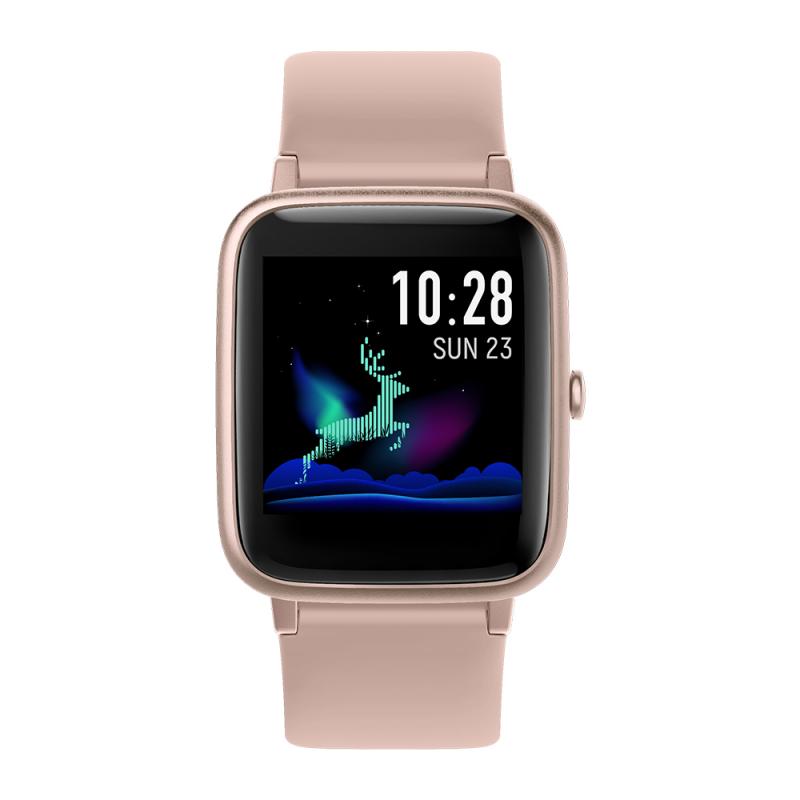
Brand-Specific Guidance
For Apple Watch 11, use the Apple USB-C fast charge cable for best results. With a 20W USB-C adapter, Apple Watch 11 can go from 0 to around 80 percent in about 45 minutes. Larger adapters like 30W to 96W also work, but the watch still caps at its designed power draw.
For Samsung Galaxy Watch 8, use the official Samsung magnetic puck powered by a USB-C PD or AFC charger. A 15W or 25W Samsung adapter is ideal, even though the watch typically draws around 5W. Expect slower wireless top-ups compared to phones because the watch optimizes for battery longevity.
Many Garmin and Fitbit models use proprietary pin cables that convert 5V input down to safe charging levels. Always use the original or brand-approved cable, even if the wall charger is generic. Do not attempt to charge with a random magnetic pad that is not designed for your watch.
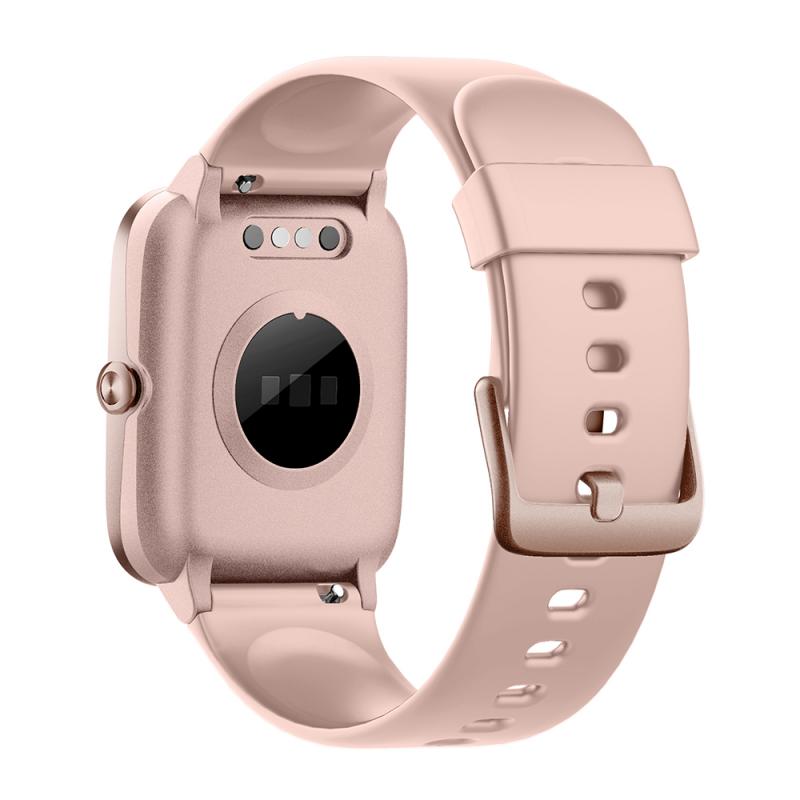
Charging Through a USB Cable Manually
In emergency situations, a USB cable can sometimes be adapted to charge the watch directly. This method requires extreme caution because incorrect wiring may damage the device.
- Cut an old USB cable to expose the red and black wires.
- Locate the positive and negative charging terminals on the smartwatch.
- Connect the red wire to the positive terminal.
- Connect the black wire to the negative terminal.
- Secure the wires carefully with tape.
- Plug the USB cable into a low-voltage USB port.
This should only be considered a temporary emergency solution. Avoid leaving the watch unattended while charging.
Using a Wireless Charging Pad
Some modern smartwatches support Qi wireless charging, the same technology used by many smartphones. If your watch has this feature, charging becomes much easier. To charge with a wireless charging pad, verify in the device manual or settings whether the smartwatch supports Qi charging, place the smartwatch at the center of a wireless charging pad, connect the charging pad to a power source, and adjust the watch position carefully until the charging icon appears.
Wireless charging is one of the safest alternatives because it does not require exposed wires or direct electrical contact. Charging pads, some of which can charge multiple devices at once, such as your smartwatch and Galaxy phone, work for any watch model that supports Qi technology.
Note: Most smartwatches do not charge on generic phone Qi pads. Apple Watch needs its magnetic puck, and Samsung watches need the Samsung puck. When using a wireless charging dock, be aware that any metal or magnetic materials placed between the watch and the wireless charger may decrease charging efficiency and may also cause damage to the watch or charger.
Cable Choice and Safety Precautions
Your watch's cable or puck dictates compatibility and speed far more than the adapter. Apple Watch uses a proprietary magnetic fast charge puck, while many Samsung watches use a WPC-based magnetic puck tuned for wearables. Mixing pucks across brands rarely works and can interrupt charging or increase heat.
- Avoid using damaged cables or exposed wires.
- Never use high-voltage adapters.
- Keep liquids away from charging equipment.
- Stop charging if the device overheats.
- Do not leave improvised charging setups unattended.
- Purchase an official replacement charger as soon as possible.
Normal charging surface temperatures of a smartwatch sit around warm to the touch, commonly below 42°C during fast charging. If you notice persistent high heat, stop and inspect the cable and adapter. Heat is the primary factor that accelerates battery wear. Place the puck on a hard, cool surface to reduce heat, and remove thick protective cases during charging to improve airflow.
Frequent small top-ups are better for lithium cells than deep discharges. A 20 to 80 percent routine is a practical daily target. Improper charging methods can shorten battery lifespan or permanently damage the smartwatch. While temporary solutions can help restore power, they are not ideal for long-term use because smartwatch batteries are sensitive to unstable voltage and poor connections.