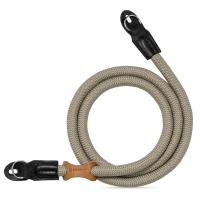
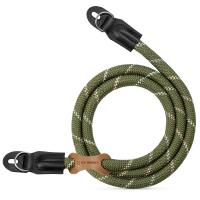
How Photographers Carry Camera Strap?
Carrying a camera strap may seem like a small detail, but for photographers, it plays a vital role in comfort, convenience, and protecting expensive equipment. Whether you’re an amateur just starting out or a seasoned professional, understanding the different ways to carry a camera strap and how to choose the right strap can make a significant difference. In this article, we will explore practical ways photographers carry and use camera straps, the reasons behind each method, and some actionable tips to improve your photography experience.
Why Camera Straps Matter for Photographers
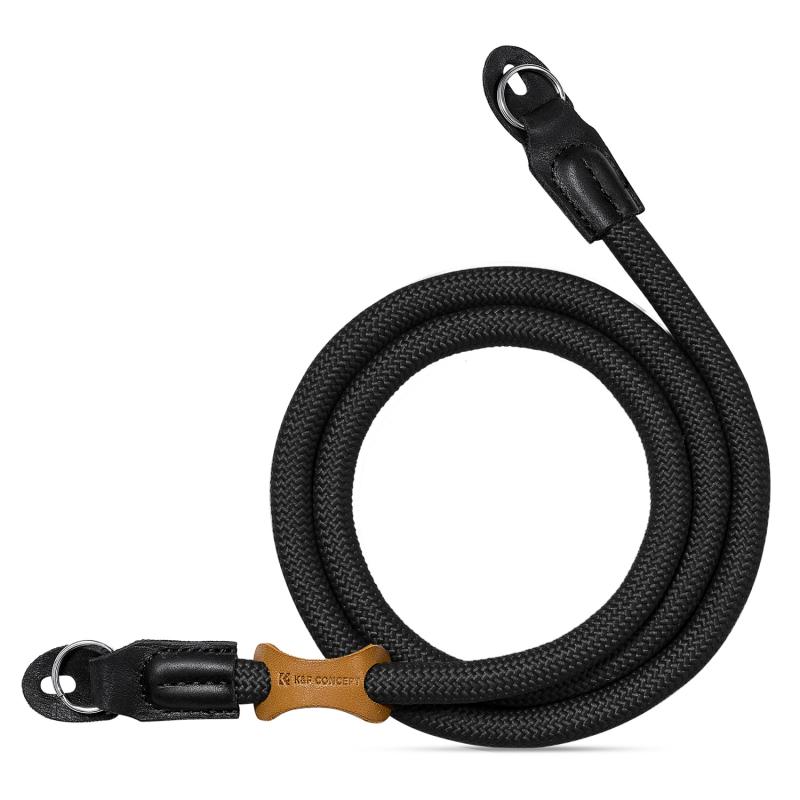
Before delving into different carrying methods, it’s important to understand why camera straps are essential. Imagine you’re out on a photography adventure, carrying your camera around for hours. Without a proper strap, you’d either tire your arms holding the camera or constantly face the risk of dropping your expensive equipment. A strap not only keeps your hands free while walking or scouting for shots but also works as a safety mechanism to prevent unexpected accidents.
The choice of strap and carrying method can influence your workflow and comfort. Depending on your photography style, you might prefer a traditional neck strap, a sling strap, or something more customized. Let’s discuss how photographers typically carry camera straps with considerations for specific circumstances.
Common Ways to Carry a Camera Strap
Photographers deploy different techniques depending on their preferences, equipment, and shooting environment. Here are the most common ways to use a camera strap:
Neck Strap Carry
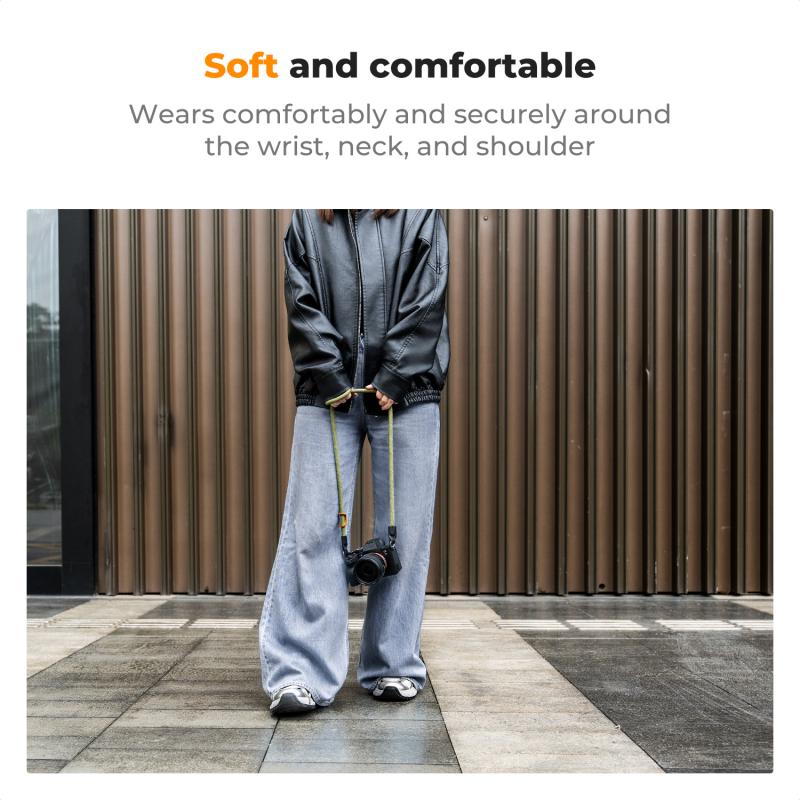
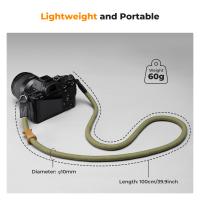
The neck strap is the default carrying method for most beginner photographers. Designed to be worn around the neck, this strap holds the camera at chest level, allowing quick access when you’re ready to shoot. While this position offers convenience, it may cause strain on your neck over long periods, particularly if you’re using a heavier DSLR or mirrorless camera.
When to Use:
Quick access while shooting: Ideal for events like weddings or street photography where capturing fleeting moments is crucial.
Lightweight cameras: Best suited for compact or lightweight camera systems to reduce neck strain.
Tips:
- Use padding or ergonomic straps designed for neck wear. Ensure the strap is adjustable to keep the camera close to your chest but not excessively tight.
Shoulder Carry
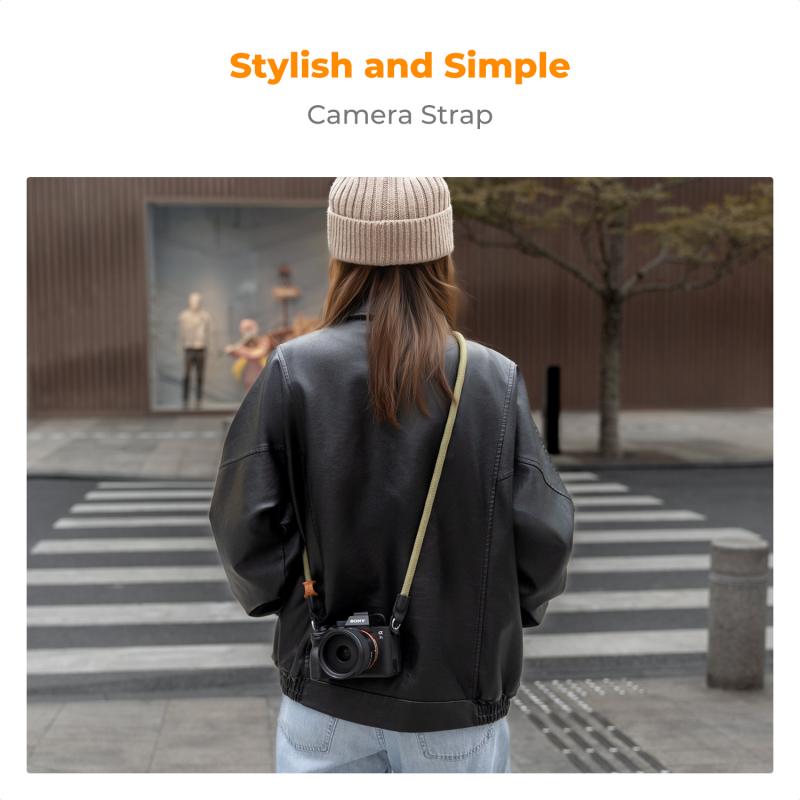
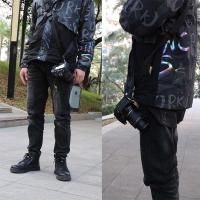
The shoulder carry method involves wearing the strap over one shoulder. This can either be done by letting the strap rest on top of the shoulder or allowing the strap to hang diagonally across your body. Many photographers find this method more comfortable for prolonged walks or travel because it reduces pressure on the neck.
When to Use:
Travel and outdoor shoots: Perfect for long hikes or urban exploration as the weight is distributed more evenly.
Heavier cameras or gear: Provides better support for bulky equipment.
Tips:
- Adjust the strap length so the camera rests naturally at your hip. Consider sling straps or cross-body styles with padded sections.
Cross-Body Sling Carry
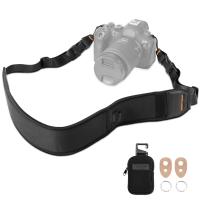
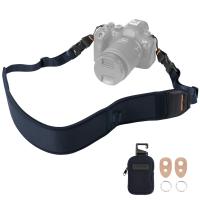
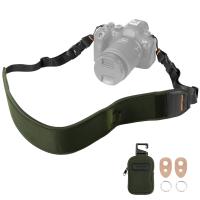
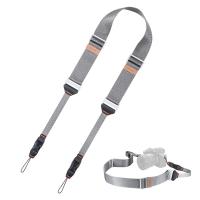
The cross-body sling style is increasingly popular among photographers, offering both comfort and functionality. The strap passes diagonally across the torso, and the camera rests low at your side, usually near the hip. With this setup, you can pull up the camera quickly using a sliding mechanism. Sling straps often include adjustment sliders that allow photographers to move the camera fluidly along the strap.
When to Use:
Action photography: Great for sports, wildlife, or outdoor activities where you need quick access combined with stability.
Long-duration shoots: Useful for extended shooting sessions as it reduces aches associated with neck or shoulder pressure.
Tips:
- Invest in a strap with grips or locking mechanisms to ensure stability while moving. Make sure the strap’s sliding system is smooth but secure.
Wrist Strap Carry
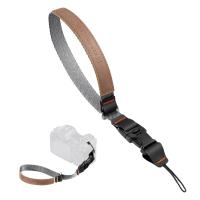
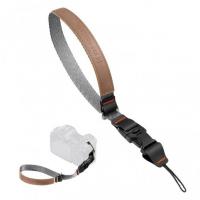
Another popular option is the wrist strap carry. This minimalist approach secures the strap around your wrist, offering maximum mobility and ease of access. Wrist straps are great for casual photographers or those working with small cameras that don’t weigh much.
When to Use:
Compact or mirrorless cameras: Best paired with lightweight setups.
Dynamic shooting environments: Perfect for scenarios requiring rapid movement, such as street photography or videography.
Tips:
- Choose wrist straps with adjustable bands for better security. Check for padded material if you plan to carry your camera for extended periods.
Hand Strap Carry
Similar to wrist straps, a hand strap secures the camera closer to your hand, offering extra support when you’re holding the camera for extended periods. This is commonly used for professional photographers who prefer direct control without cumbersome straps.
When to Use:
Controlled environments: Suitable for photoshoots in a studio or areas where dropping the camera is less likely.
Portrait photography: Beneficial for deliberate, posed shots.
Tips:
- Invest in hand straps made of high-quality leather or durable nylon, as cheaper materials wear out faster.
Belt or Holster Strap
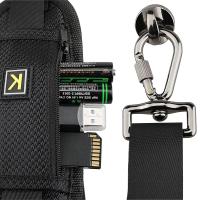
For photographers using multiple camera bodies, a belt or holster-style strap offers a practical solution. These systems secure the camera to your waist or hips, allowing instant access without overloading your shoulders or neck. They are commonly used by professionals in fast-paced environments like weddings or journalism.
When to Use:
Dual camera setups: Great for situations requiring multiple lens options without added hassle.
High-mobility environments: Perfect for photographers on the move, like wedding or event shooters.
Tips:
- Use a holster system with sturdy locking mechanisms to prevent accidental drops.
Choosing the Right Strap
The way you carry your strap largely depends on your specific needs, equipment, and shooting environment. When selecting a camera strap, it’s essential to consider factors such as:
1. Comfort: Look for padded straps to reduce strain during long shoots.
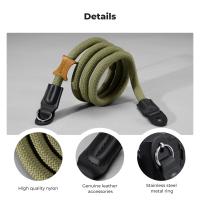
2. Durability: Ensure the strap is made from materials like leather, nylon, or reinforced fabric that can withstand wear and tear.
3. Adjustability: Pick a strap that allows you to customize its length for different shooting positions.
4. Style: Choose a carrying style that suits your photography workflow.
Tips for Strap Optimization
To make the most of your camera strap, here are some additional tips:
1. Test Before You Buy: Try out different strap styles to find what feels most natural and comfortable.
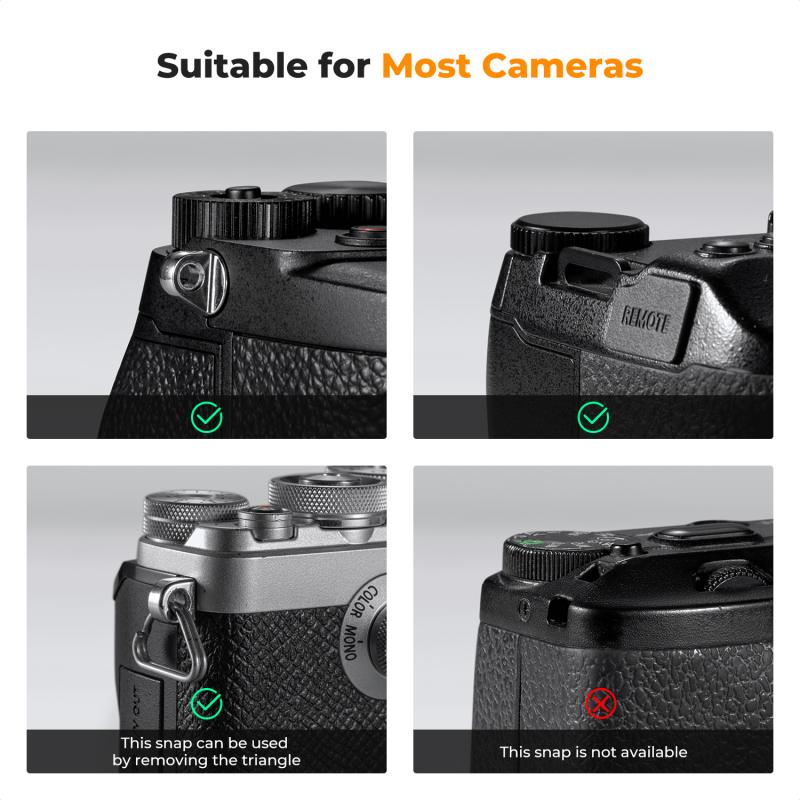
2. Check Compatibility: Ensure the strap works with your camera’s mounting system, whether it uses lugs, loops, or standard clips.
3. Personalization: Tailor your strap to your needs by adding locking mechanisms or extra padding. You can even opt for custom designs that reflect your style.
4. Replace Worn Straps: A damaged strap can compromise your camera’s safety. Regularly inspect your strap for signs of wear and replace it as needed.
Carrying your camera strap effectively is more than just a matter of convenience—it directly impacts your photography experience. By understanding the various ways photographers use camera straps, you can improve your workflow, reduce physical strain, and ensure the safety of your valuable equipment. Whether you prefer the classic neck strap, the versatile cross-body sling, or the practical holster system, finding the right method and tailoring it to your needs is crucial.
Keep in mind that no single strap works for everyone; experimentation is key. Invest in a high-quality strap that aligns with your photography style and comfort preferences. With the right strap and carrying method, you’ll be better prepared to capture moments seamlessly while protecting your cherished gear.