How Much Are Tripods For Cameras?
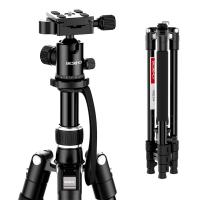
When considering purchasing a tripod for your camera, understanding the various options, features, and price ranges on the market can be overwhelming. Tripods play an essential role for photographers and videographers, offering stability, enhancing image sharpness, and enabling creative shots that otherwise may be impossible without a steady support system.
For those exploring the vast array of tripods available, let us delve into various price points, factors affecting cost, and how to make an informed decision based on your specific needs. By the end of this guide, you’ll have the knowledge to confidently choose the tripod that best fits your requirements and budget.
Factors That Affect Tripod Prices
The price of a tripod can range widely depending on several key factors. Understanding these factors is essential when evaluating options:
1. Materials Used
The material of the tripod is one of the most significant determinants of its price:
Aluminum Tripods: Durable and affordable, aluminum tripods are common among beginner photographers. They are typically heavier than other materials, making portability less convenient at times.
Carbon Fiber Tripods: Lightweight yet extremely sturdy, carbon fiber tripods are favored by professionals. They do come with a premium price tag due to the high-quality material.
Plastic Components: Often seen in entry-level tripods, these are less durable but very inexpensive. They're better suited for casual users or basic home projects.
2. Height Range and Adjustability
Higher-end tripods usually offer greater flexibility in height settings and leg adjustability. Tripods that can extend to greater heights or feature multiple angles for legs often cost more due to increased engineering and manufacturing complexity.
3. Load Capacity
The weight your tripod can handle will also impact its price. Tripods designed to support professional DSLRs, mirrorless cameras with heavy lenses, or cine cameras are more robust and naturally more expensive.
4. Stability and Design
Features such as anti-slip legs, shock absorption, or wind stabilization typically come at a higher price due to added functionality. A cheaper tripod may lack these safeguards, making it more suitable for indoor use or lighter cameras.
5. Brand and Manufacturing Quality
Renowned brands such as Manfrotto, Gitzo, or Joby are often associated with higher-quality manufacturing standards, and their products include premium features that justify the increased cost. Budget brands may offer affordable options but potentially compromise on durability or extra features.
6. Head Type
Some tripods include an integrated head, while others require a separate purchase:
Ball Heads: Provide smooth adjustments and are versatile but can add to the overall price.
Pan/Tilt Heads: Ideal for video work with precise control. Cost depends on the mechanical quality of the head.
Fluid Heads: Designed for videography, fluid heads enhance motion stability, often leading to a higher price overall.
Price Ranges of Camera Tripods
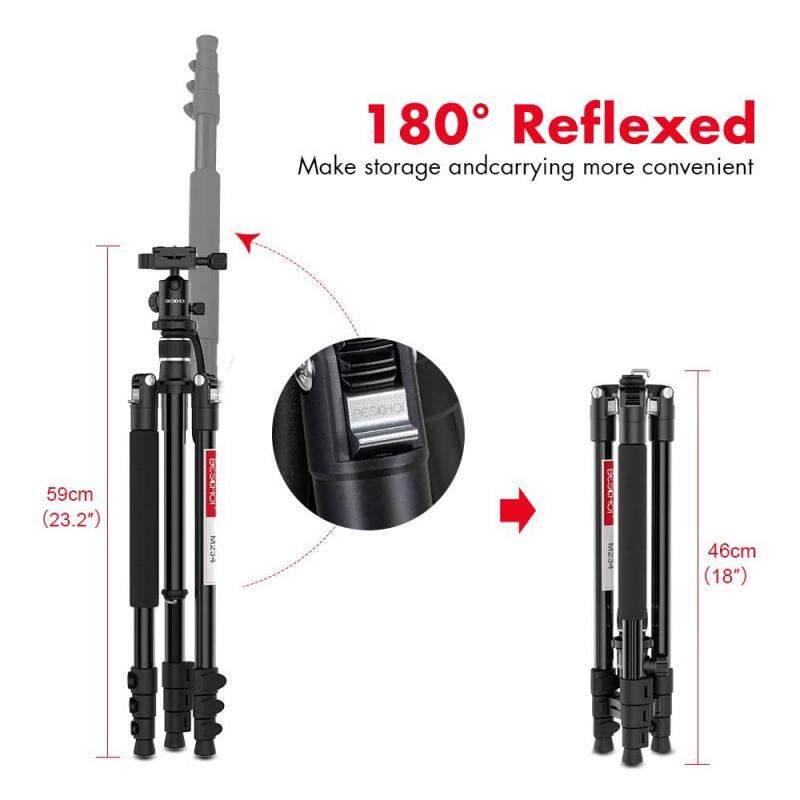
Now that we've explored the factors influencing tripod price, let's break down the typical cost ranges and highlight what you can expect from each category:
Entry-Level ($20–$75)
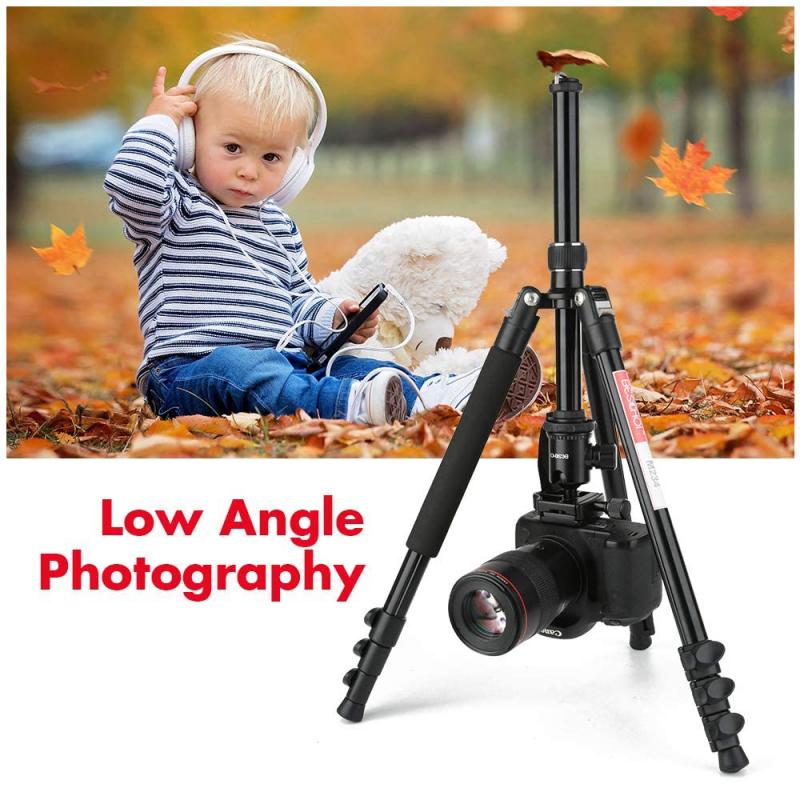
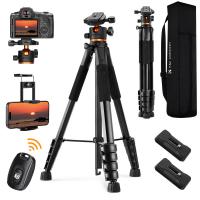
Entry-level tripods are generally designed for beginner photographers, hobbyists, or casual users. They often use plastic or aluminum materials, which keep costs low. These tripods work well for light cameras or smartphones. Expect limitations in load capacity, maximum height, and durability. Brands such as AmazonBasics or generic options dominate this price range.
Best For: Casual users, small cameras or smartphones, budget-friendly setups.
Mid-Range ($75–$200)
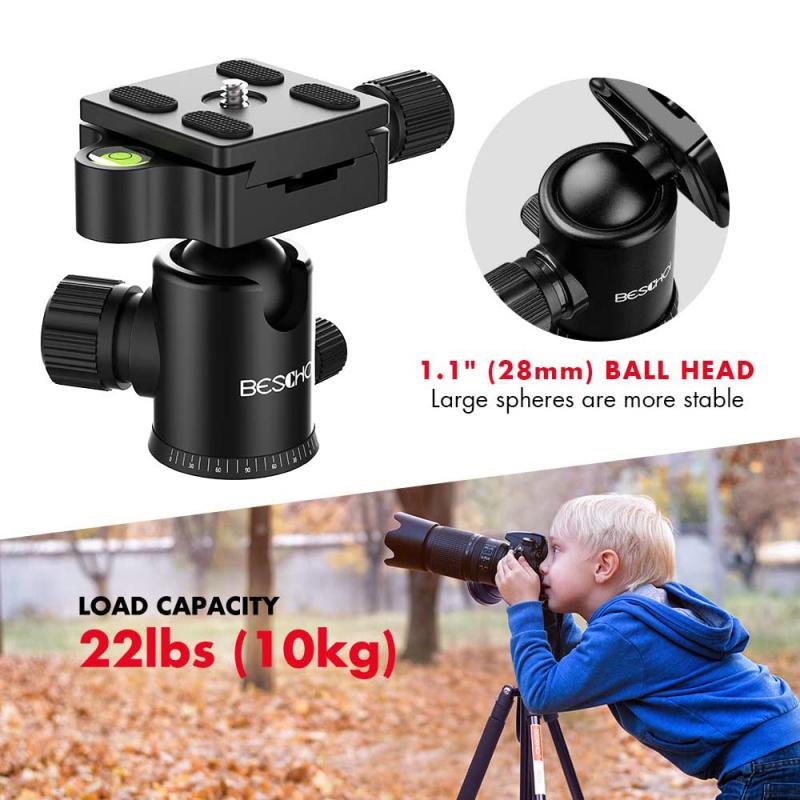
Mid-range tripods are crafted from higher-quality materials, such as aluminum or a mix of aluminum and carbon fiber. They offer better stability, smoother adjustment mechanisms, and higher load capacities. Many intermediate photographers and videographers favor these options due to their reliability at a reasonable price. Brands like Vanguard, Benro, or Peak Design have excellent tripod offerings on the mid-tier spectrum.
Best For: Intermediate photographers, enthusiasts, portable options for travel, and those seeking a balance between quality and cost.
High-End ($200–$500+)
Professional-grade tripods reside in this category and are used by photographers and filmmakers aiming for top-tier support systems. These tripods often feature carbon fiber legs, customizable heads, higher load capacities, and advanced stability systems for challenging conditions. Premium brands such as Gitzo, Sirui, or Manfrotto serve those with loftier demands. Fluid head kits for cinema cameras or specialized tripods for astrophotography can also be found in this range.
Best For: Professional applications, heavy setups, long-term investments.
Specialized Tripods ($500+)
Specialized tripods, such as those designed for high-end video production, extreme outdoor use, or unique photography styles (e.g., macro photography or wildlife photography), exceed $500. These tripods often feature unique engineering and customization capabilities, including waterproof designs, ultra-lightweight builds, and extras like monopod conversion functions or leveling bases.
Best For: Professionals needing tailored features, cine camera users, or ambitious wildlife/landscape photographers.
What to Consider Before Buying a Tripod
While price is a vital factor when buying a tripod, it’s also essential to weigh your specific needs against your budget. Here are some considerations:
1. Camera Type
Consider the weight and type of your camera. Heavier setups require tripods with higher load capacities and stronger materials like carbon fiber.
2. Intended Use
Are you a hobbyist photographing day-to-day scenes, or do you need a tripod for professional projects? Casual users may get by with an affordable tripod, but professionals should prioritize quality and durability.
3. Portability
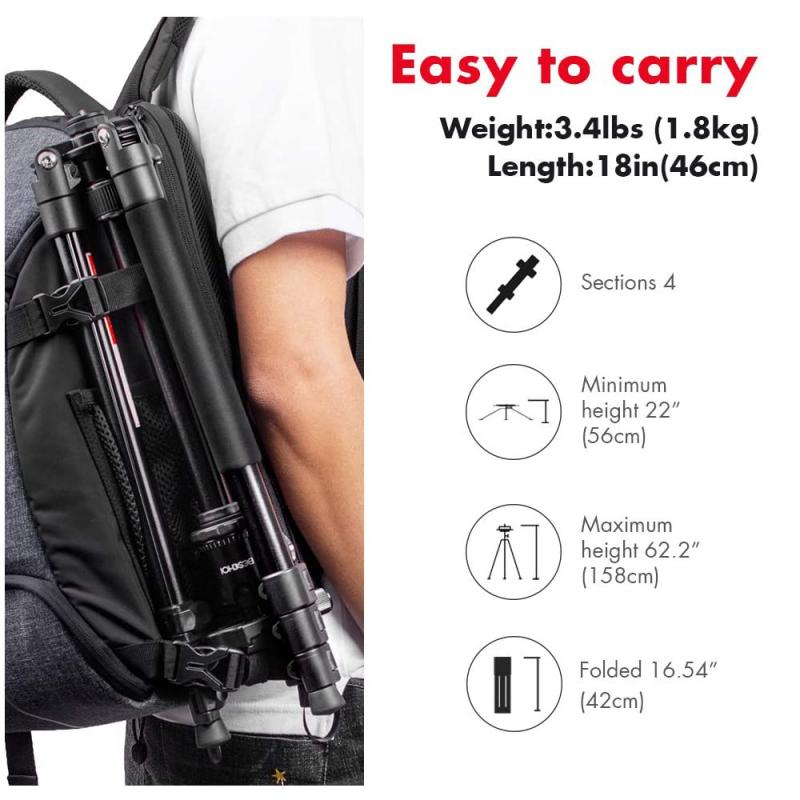
If you travel frequently, opt for lightweight and compact tripods. Carbon fiber models or collapsible tripods offer convenience, although they often come with higher costs.
4. Features Required
Determine your priorities—do you need advanced features like fluid heads or extra stabilization mechanisms? Or is a basic tripod with minimal adjustment flexibility sufficient for now?
5. Budget
Stay within your budget, but don’t compromise entirely on quality. A poorly constructed tripod can cause frustration and may need replacing sooner, negating initial savings.
Recommendations for Different Users
To help you make a choice based on your budget and skill level, here are some helpful recommendations:
Casual Photographers
If you’re simply looking for something simple and affordable to improve stability, an entry-level aluminum tripod under $50 from brands like AmazonBasics or ZOMEI might be sufficient. Pair these with lightweight cameras or smartphones.
Enthusiasts and Travelers
Mid-tier tripods, like the Vanguard Alta Pro 2 or Peak Design Travel Tripod, offer excellent stability, portability, and adjustability for users who take photography more seriously. They also work well for frequent travelers.
Professional Photographers and Videographers
For professionals handling heavier DSLRs, mirrorless setups, or video production work, invest in high-end tripods like the Manfrotto MT190XPRO, Gitzo Series 3, or Sirui W-2204. These deliver enduring performance, advanced features, and versatility.
Final Thoughts
Tripods are an indispensable tool for achieving sharp, creative, and professional-quality images and videos. While tripods vary in price based on their materials, design, and intended use, it’s crucial to prioritize your needs and budget. Whether you are a casual user, an enthusiast, or a seasoned professional, the right tripod will elevate your photography by providing the stability and reliability necessary for stunning results.
Ultimately, while cost is a key factor, remember that a tripod is an investment. A high-quality tripod may cost more upfront but can save you money and frustration in the long term by consistently delivering great performance and durability. Evaluate your needs carefully before making your decision, and you’ll be rewarded with a tripod that enhances your creative capabilities for years to come.